Human rights situation in PoJK raised at UNHRC, political activist Jamil Maqsood seeks international action
Sep 22, 2026
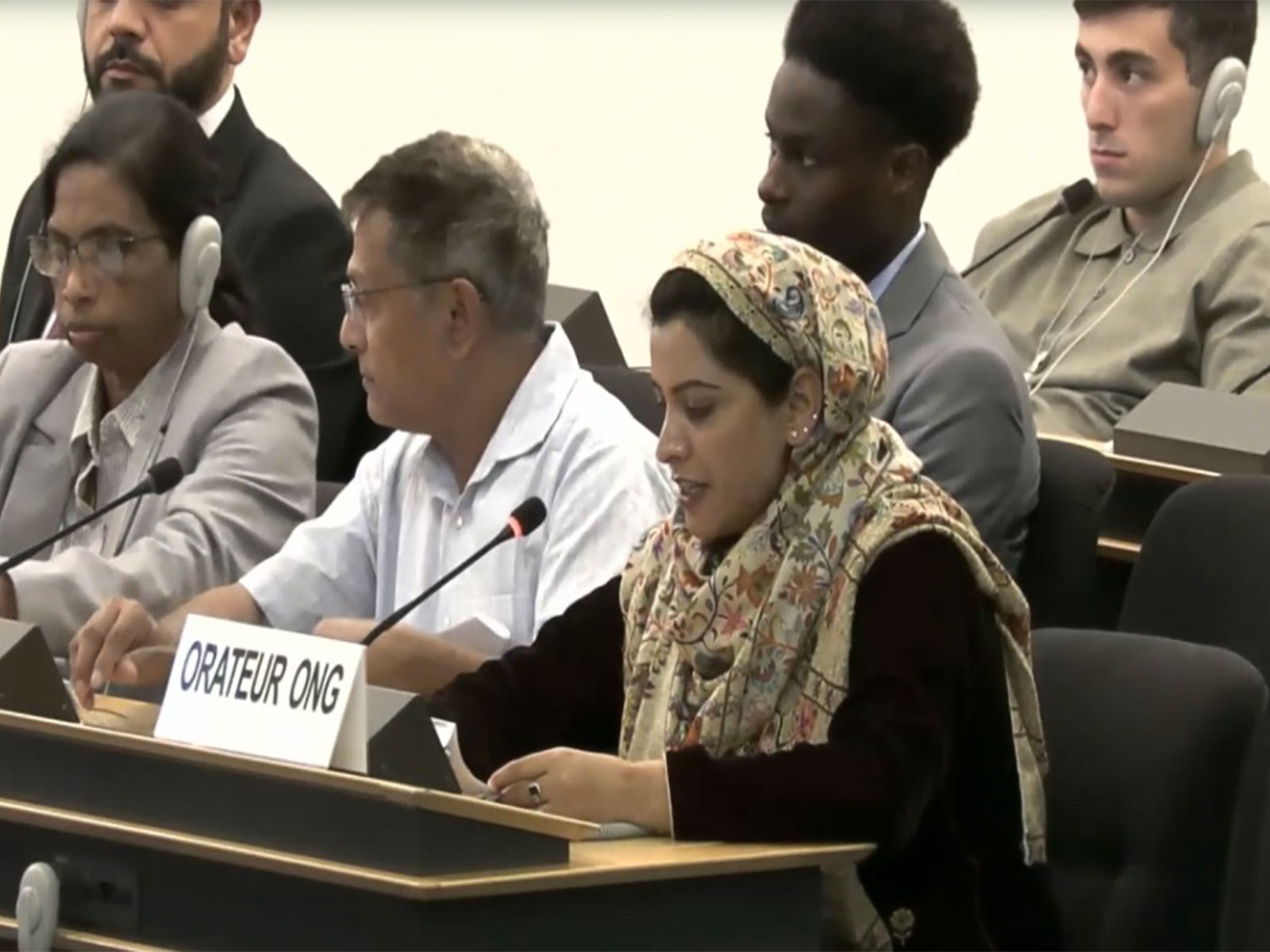
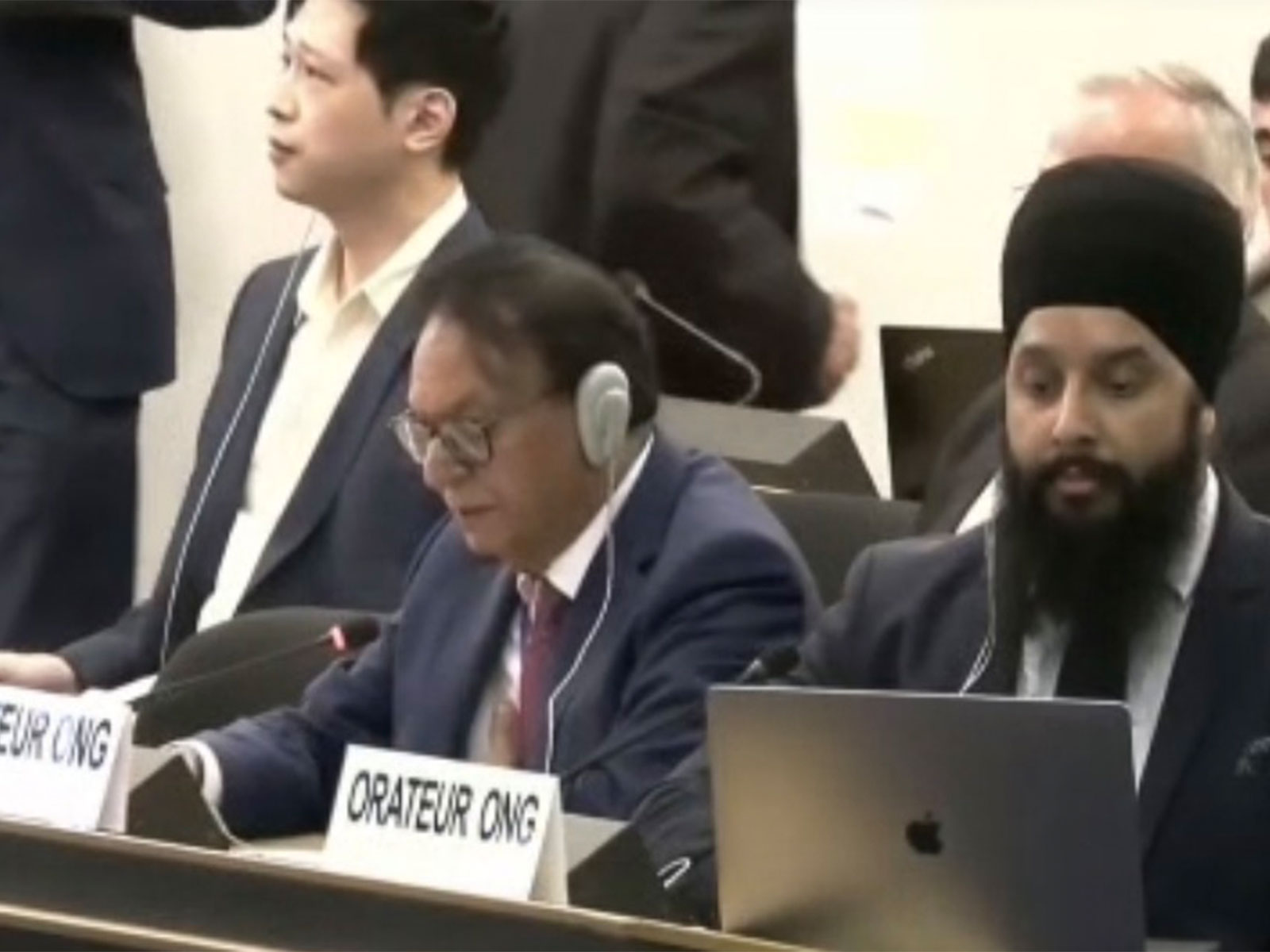
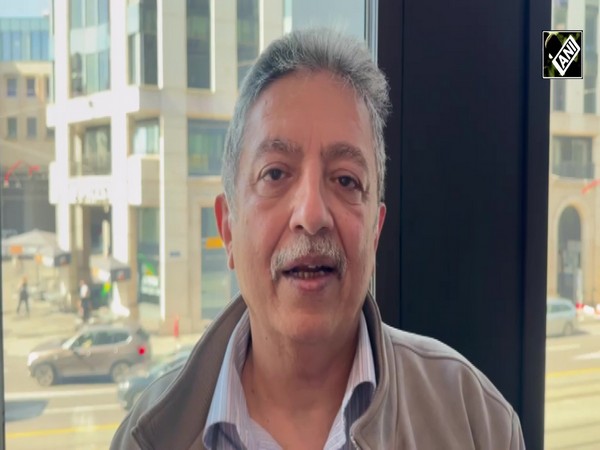
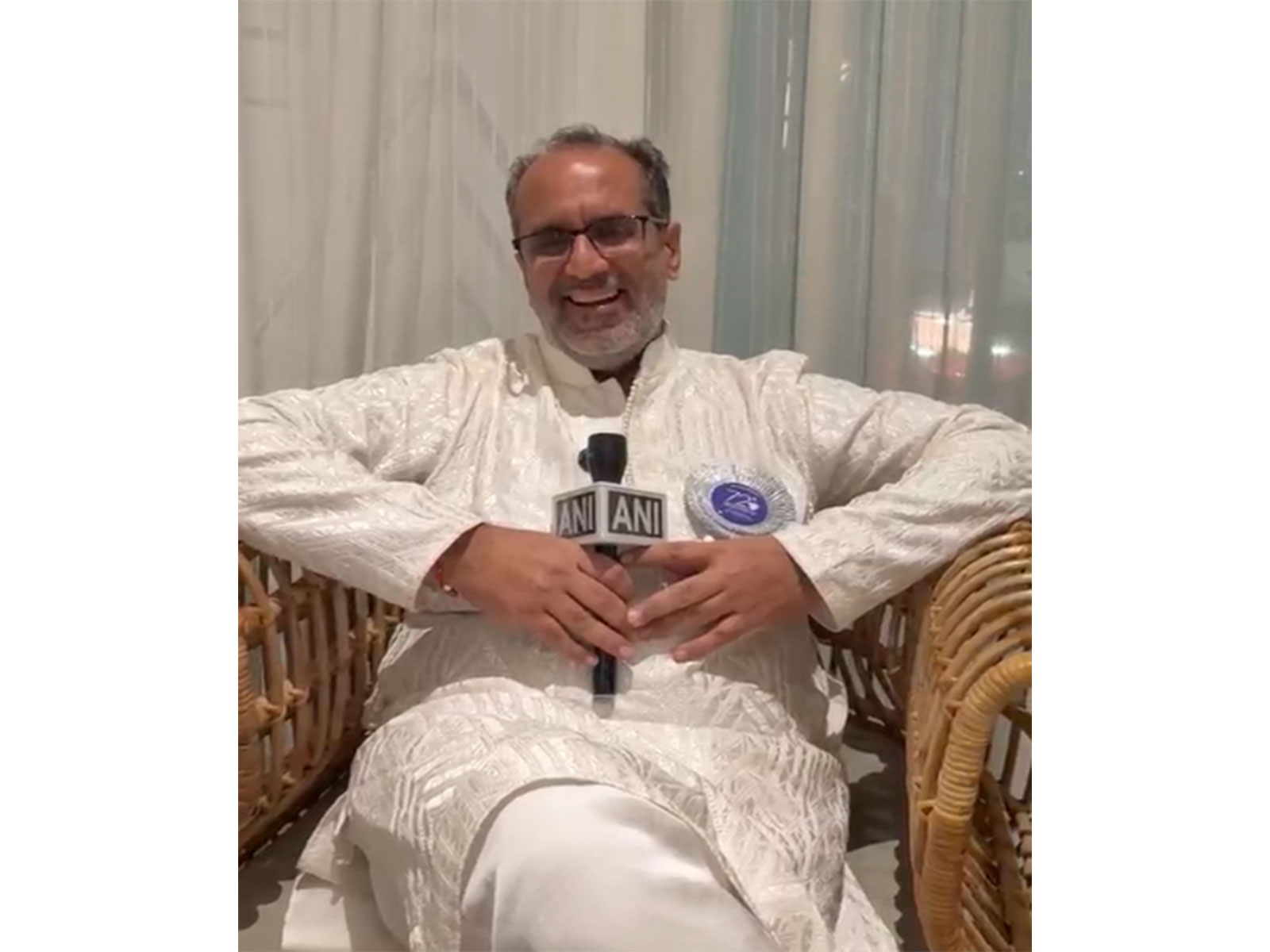
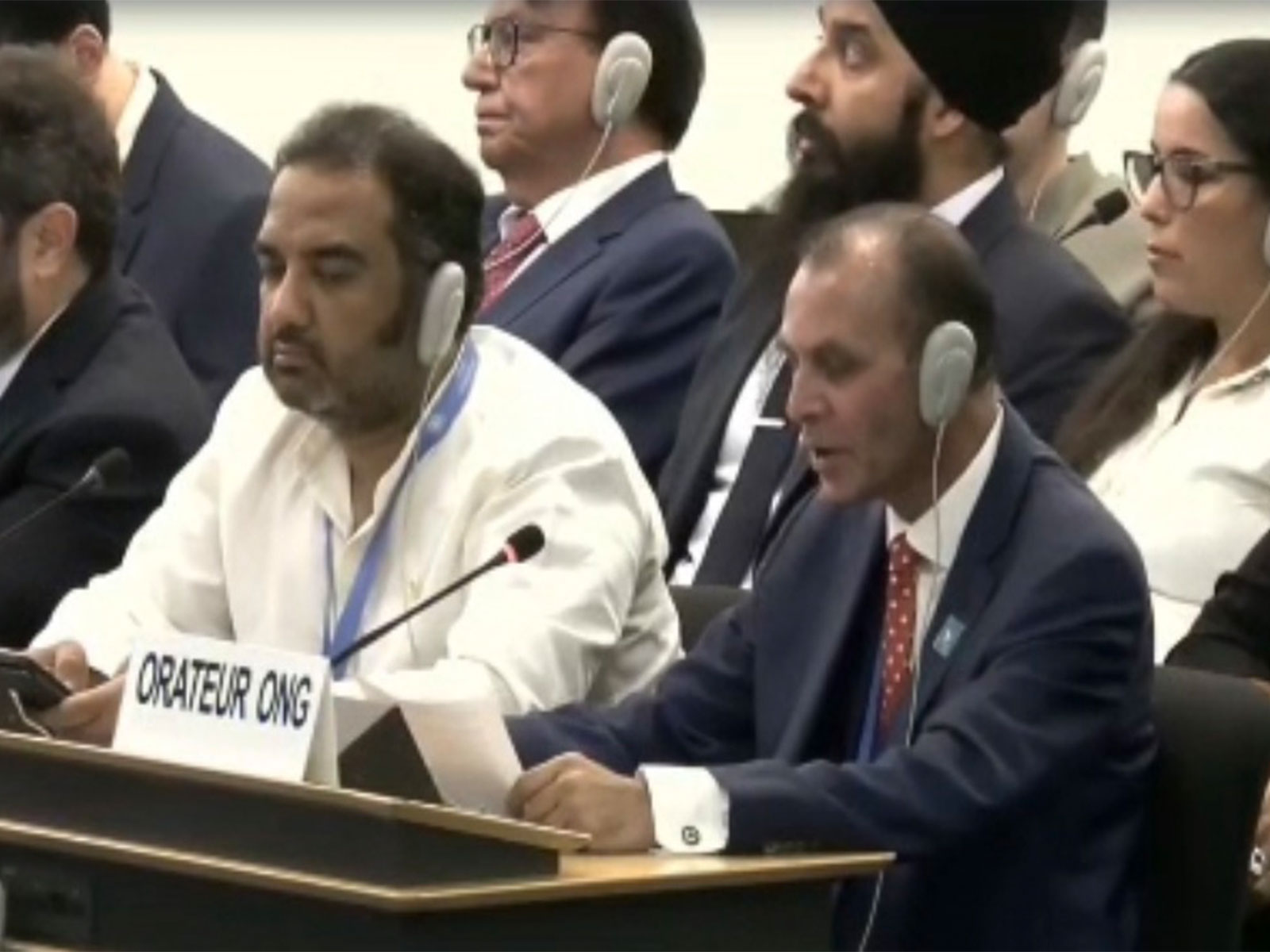
Geneva [Switzerland], September 22 : The human rights situation in Pakistan-occupied Jammu and Kashmir (PoJK) was raised before the 63rd session of the United Nations Human Rights Council (UNHRC), with political activist Jamil Maqsood calling for accountability, independent monitoring and restoration of communications in the region.
Speaking during the Council’s consideration of Item 4, situations that require the Council’s attention, Maqsood said the Jammu Kashmir Joint Awami Action Committee (JKJAAC) Charter of Demands remained central to what he described as a peaceful civilian movement seeking fundamental rights in PoJK.
“Our organisation draws the urgent attention of this Council to the grave situation in Pakistan-occupied Jammu and Kashmir, where the Jammu Kashmir Joint Awami Action Committee Charter of Demands remains central to a peaceful civilian movement for fundamental rights,” Maqsood said.
He also expressed concern over what he described as Pakistan’s reported denial of the October 4, 2025 written agreement, including commitments that protesters had sought as a sovereign guarantee.
Referring to developments since June 5, 2026, Maqsood alleged that Pakistani security forces, including Rangers and other formations, had used excessive and lethal force against civilians. He further alleged cases of targeted killings, arbitrary detention, looting, vandalism and damage to private property.
“More than one hundred civilians have reportedly been killed, including a female lawyer, two doctors, a PhD scholar, elderly persons and predominantly young people,” he told the Council.
He further alleged that hundreds of people had been detained and that several bodies remained unaccounted for, particularly in Rawalakot.
Maqsood also raised concerns over restrictions on internet and mobile communications, saying the blackout had isolated parts of PoJK and hindered emergency assistance.
“The internet and mobile communication blackout has isolated the entire region and obstructed emergency assistance,” he said, adding that restrictions on food, medicines and healthcare had placed civilians and injured people at risk.
He called for international intervention and independent scrutiny of the reported violations.
“We strongly condemn these reported abuses. The alleged use of heavy weapons against civilians, if verified, may constitute grave violations of international humanitarian and human rights law,” Maqsood said.
He urged the UN Human Rights Council to seek accountability and humanitarian access and called for independent monitoring of the situation.
“We urge this Council to demand accountability, humanitarian access, independent monitoring and restoration of communications,” he said.
The JKJAAC has separately documented allegations of civilian killings, arrests, disappearances, communications restrictions and restrictions on medical and humanitarian access following the June unrest.