"I hope this swap impacts USD/INR volatility": Economist Debopam Chaudhuri on RBI's USD 5 Bn move
May 21, 2026
Mumbai (Maharashtra) [India], May 21 : The Reserve Bank of India's (RBI) upcoming USD 5 billion USD/INR buy-sell swap auction, slated for May 26, is expected to have a highly material impact on currency volatility by targeting market panic and anchoring trader expectations ahead of its execution date.
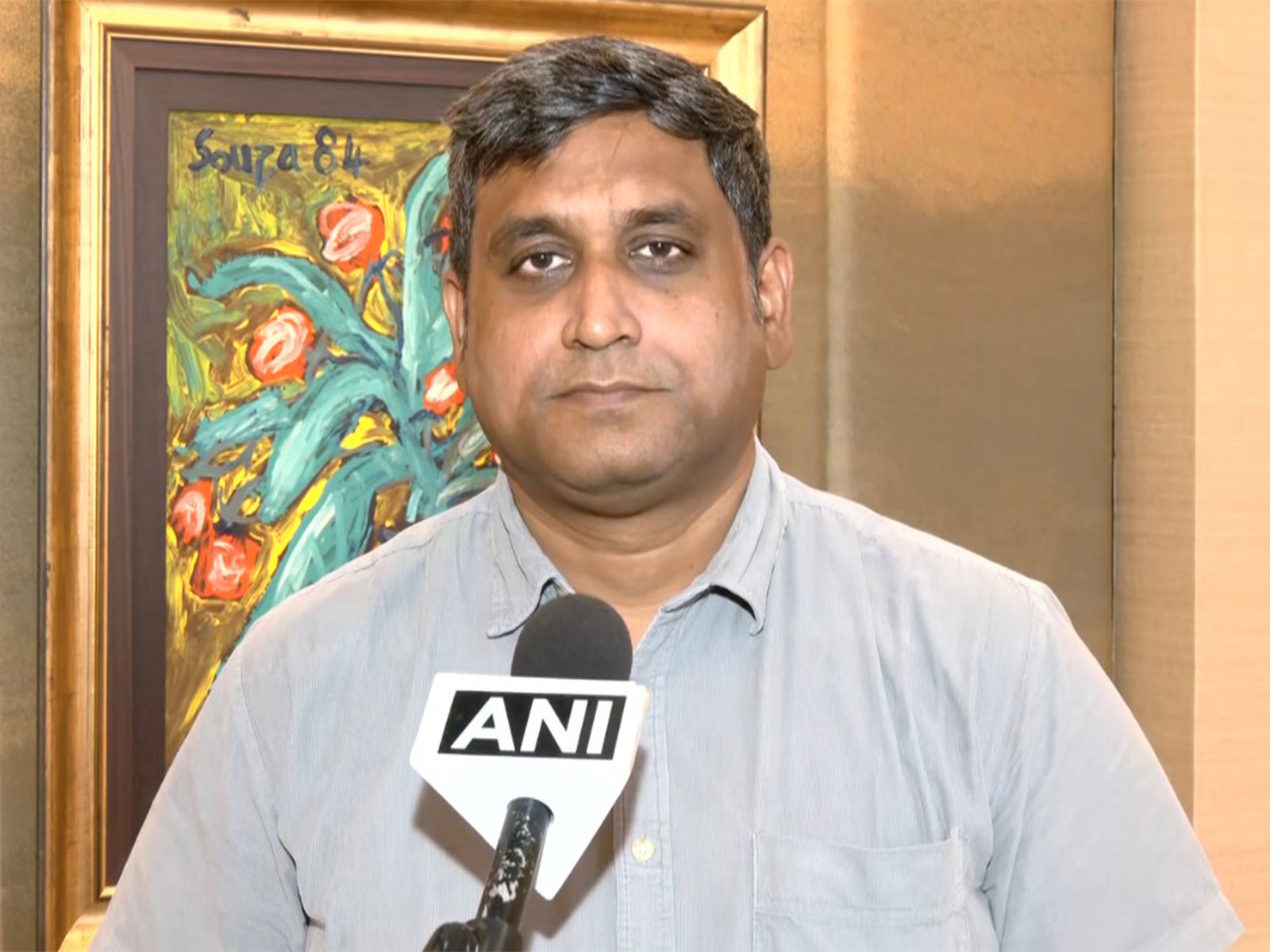
Speaking to ANI, Debopam Chaudhuri, Chief Economist at Piramal Finance Limited, emphasized that the central bank's impending operational window is a proven tactical tool designed to smooth out aggressive exchange rate fluctuations, noting that the psychological relief of the operation is already successfully functioning as intended.
"Whenever the USD/INR seems to go out of control in terms of its volatility--and the RBI always acts for volatility, not a specific level--such instruments are brought into the fore," Chaudhuri told ANI.
"This time around, it's nothing different, and we have already seen that the mere announcement of it has an effect. So on the execution date, I am hoping that this will have a material impact on the USD/INR volatility."
This critical tactical window comes at a vulnerable juncture for the domestic economy. Driven by intense geopolitical tensions that have choked shipping lanes like the Strait of Hormuz, international crude oil prices are trading around USD 105 a barrel.
To defend the local currency from a freefall, the central bank has aggressively drawn down its foreign exchange reserves, which plummeted by over USD 25 billion in just two months, thinning India's critical import cover from 11 months down to 10 months.
By taking in dollars and injecting equivalent rupee liquidity on May 26, the RBI aims to counteract the domestic cash crunch caused by its direct dollar-selling interventions.
This persistent currency volatility has also compounded deeper headaches for India Inc. As foreign investors pull capital out of emerging markets, short-term money market rates and corporate bond yields have spiked, leaving local businesses that rely on dollar-denominated loans confronting drastically higher capital costs.
"If the cost of capital suddenly spikes... then that can pose a significant challenge to the sustainability of the nation's recovery on the corporate capex side," Chaudhuri warned.
"India bets a lot on the resurrection of the corporate capex cycle because this is our only hope for creating a large number of jobs, particularly in the manufacturing sector."
Despite immediate localised price pressures hitting upper-income consumers through imported goods, India's baseline near-term growth path remains remarkably resilient. Because the revised consumer price inflation basket has limited exposure to direct imports, institutional growth projections from the IMF and World Bank are expected to hold firm.
Ultimately, the trajectory depends heavily on whether this energy and currency crunch turns out to be short-lived.
If crude prices correct over the next two to three months, the economic shocks are expected to remain entirely transitory, leaving India well-positioned to retain its crown as the world's fastest-growing major economy.