India a massive market for PMI; Gijs de Best pitches independent study on smoke-free products
Nov 19, 2026
By Ayushi Agarwal
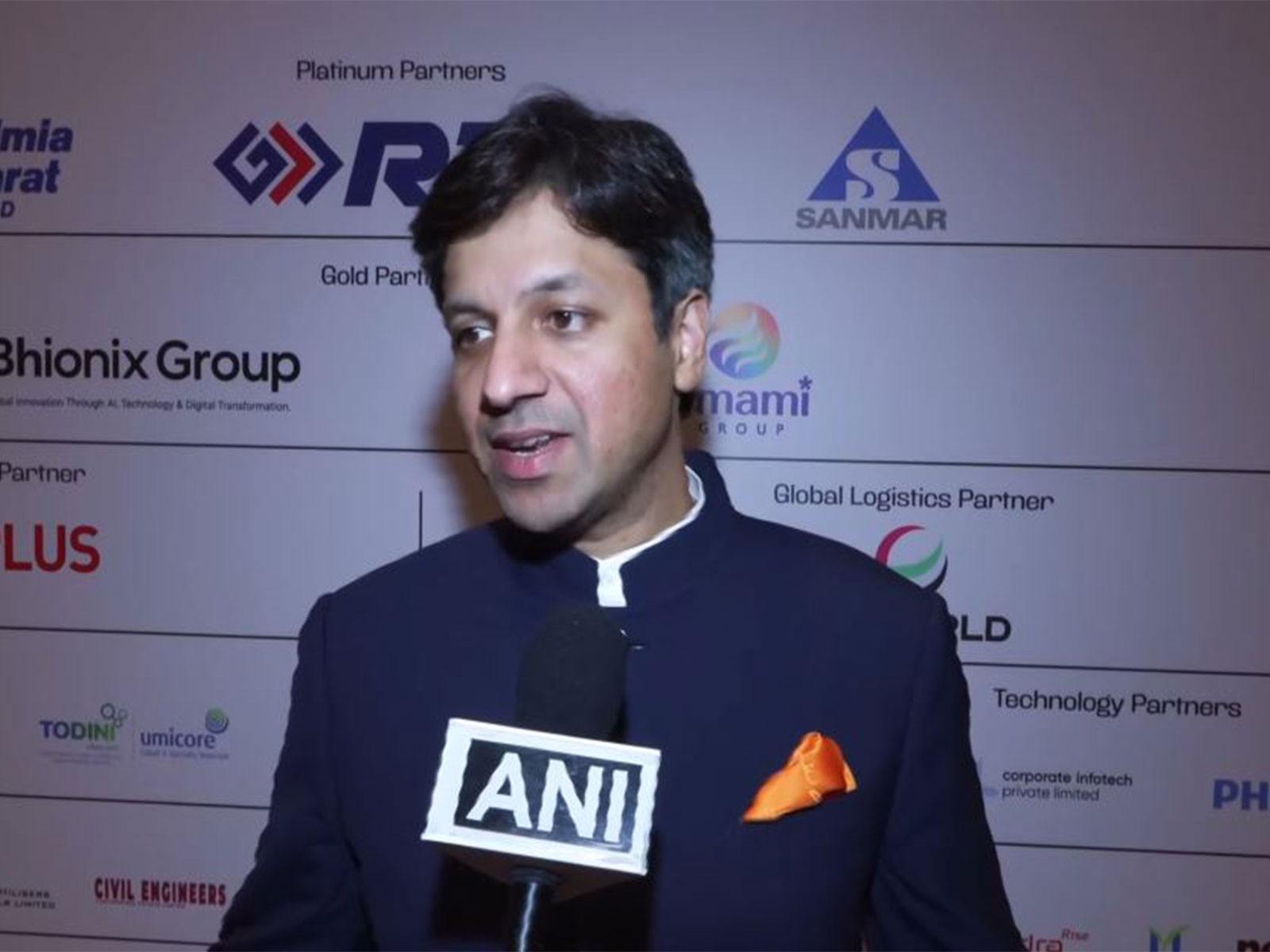
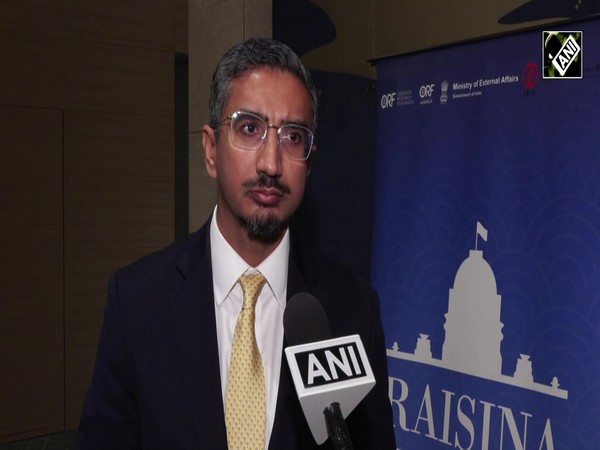
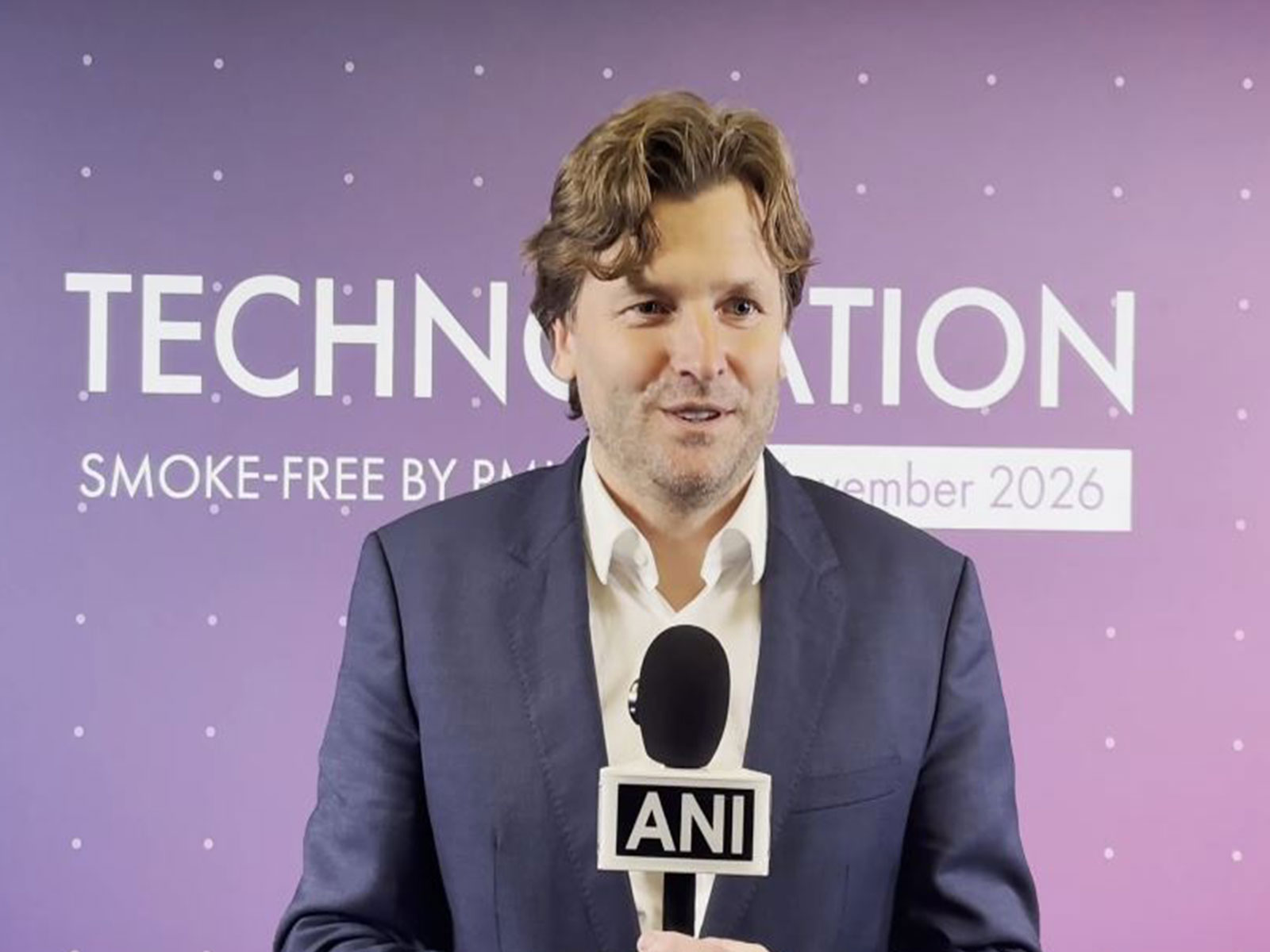
Dubai [UAE], November 19 : An independent study by a reputable institution in India should be the first step towards assessing smoke-free products in the country, Gijs de Best, Regional President of Philip Morris International (PMI), said on Thursday.
In an interview with ANI in Dubai, de Best, President of PMI's South Asia, Indochina, CIS and Middle East & Africa Region, said India represents a significant market for the company, but existing regulatory restrictions prevent it from offering certain smoke-free alternatives in the country.
“My main ask there is, can we unlock? And one of the first steps there is: can we start with an independent study in India, do an independent review by a reputable institution in India, and come to a conclusion?” he said.
Describing India as a “massive” and rapidly developing market, de Best estimated that the country has around 50 million smokers and said the company wants to explore ways to make alternative products accessible to adult smokers.
“How can we give them access to the better alternatives? And then the starting point would be study, independent study. If you start from there, I’m convinced the rest will follow,” he said.
His remarks come as PMI marks a decade since announcing its ambition in 2016 to move towards a smoke-free future. The company says more than 40 per cent of its net revenue now comes from smoke-free products, with over 43 million people having switched to these products across 110 countries.
Reflecting on the company's transformation, de Best described the progress as significant but said expanding access to markets remains a major challenge.
In the region under his responsibility, he estimated that there are around 300 million smokers, highlighting the need to expand access to alternatives in markets where regulations permit.
On whether governments should review their regulatory frameworks for newer nicotine products as scientific evidence evolves, de Best said it was important for policymakers to assess emerging evidence and consider appropriate regulatory approaches.
Citing Japan and Sweden as examples, he said both countries had undertaken independent studies before introducing regulatory frameworks for smoke-free alternatives.
He claimed that Japan's smoking rate had declined from around 20 per cent to 10 per cent, while Sweden's smoking incidence was just above 5 per cent.
According to de Best, product standards, the ability to communicate product information to consumers and access to alternatives were among the factors that helped drive the shift in these markets.
Turning to the challenge of illicit tobacco trade, including in India, de Best stressed the importance of cooperation between governments and industry, saying digital track-and-trace systems and product authentication alone may not be sufficient.
He said illicit operators were increasingly replicating such technologies, making strict border controls, retailer education and stronger enforcement essential to tackling the problem.
“Government and industry work hand in hand. Only then can it be effective,” he said.
Drawing on his more than 22 years of experience, de Best said retailers need to be educated about identifying illicit products, as counterfeit products can sometimes appear legitimate.
De Best was appointed President of PMI's South Asia, Indochina, CIS and Middle East & Africa Region in January 2026. He joined the company in 2004 as a financial analyst in the Netherlands and subsequently held management positions in Belgium, Spain, Switzerland and Germany. He also served as Director of Business Development in Hong Kong, President of PMI's Philippines business and Vice President, Strategy & Program Delivery.
Notably, de Best was speaking to ANI on the sidelines of TECHNOVATION 2026, an event organised by Philip Morris International (PMI) in Dubai on November 19. The event brought together industry leaders, experts and other stakeholders to discuss the role of science, technology and innovation in shaping the future of smoke-free products, with discussions focusing on scientific research, regulatory approaches and the transition towards a smoke-free future.