"India active in engaging with key players to make sure its interests are secured," says Australian Envoy
May 02, 2026
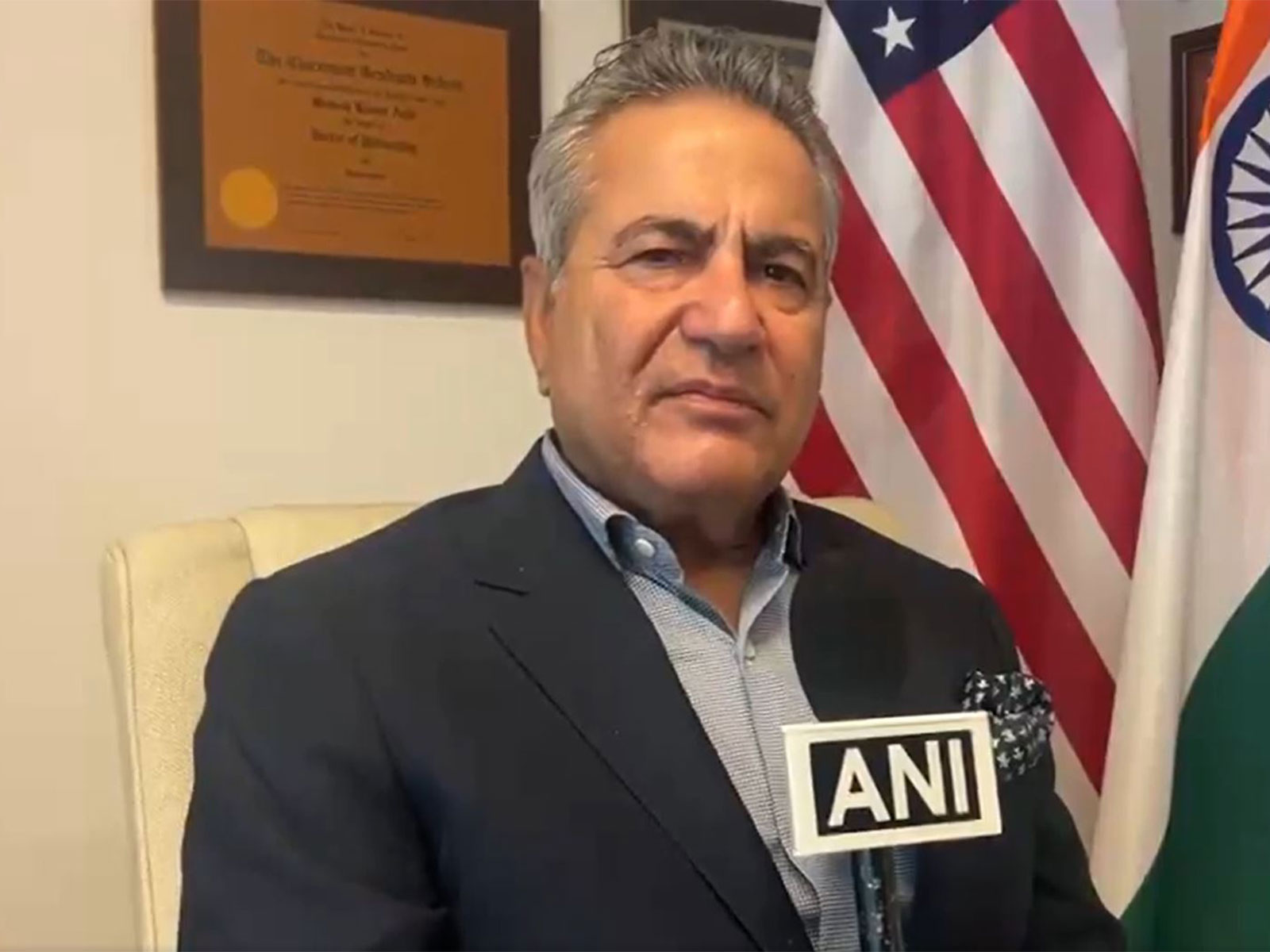
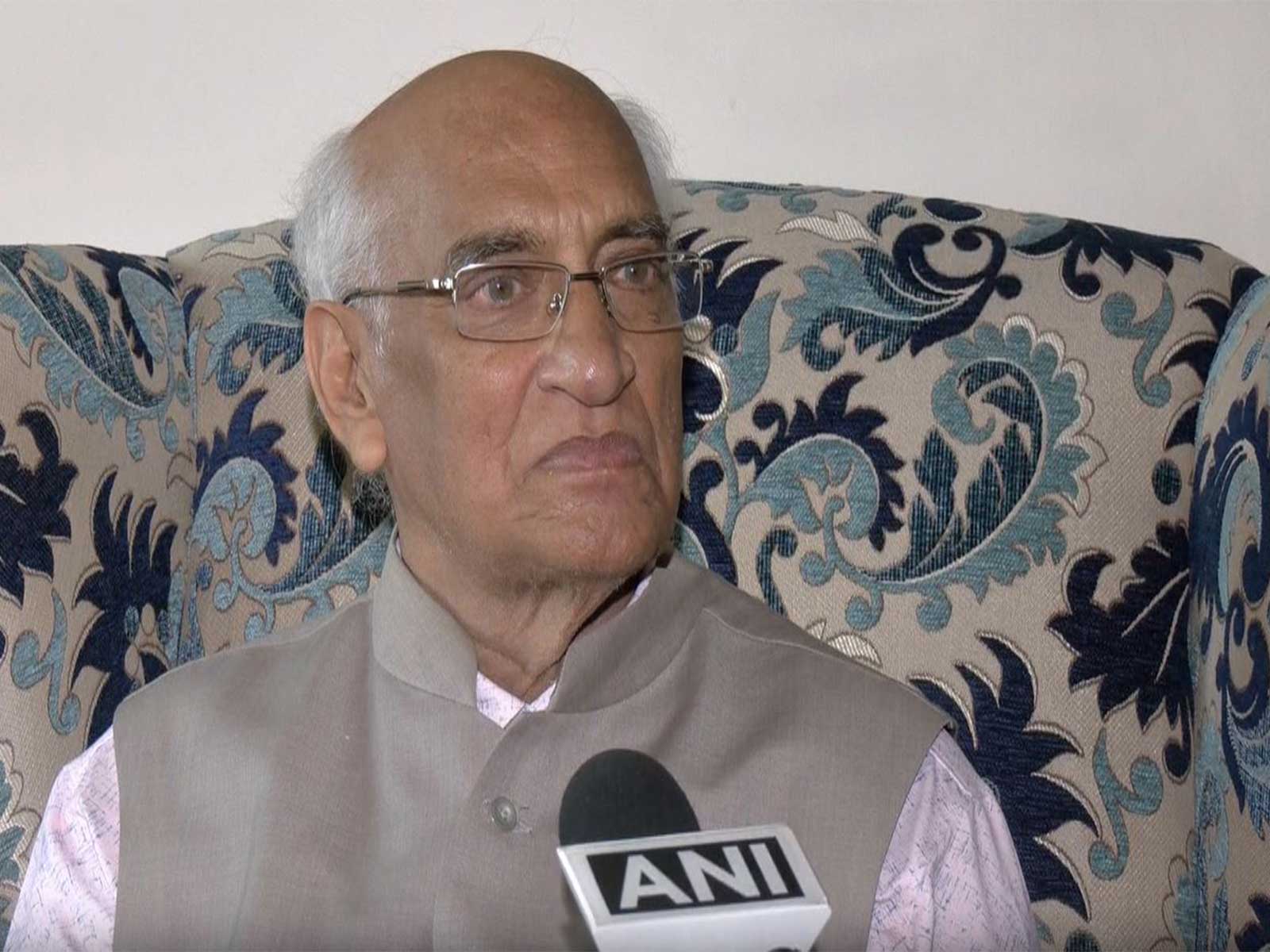
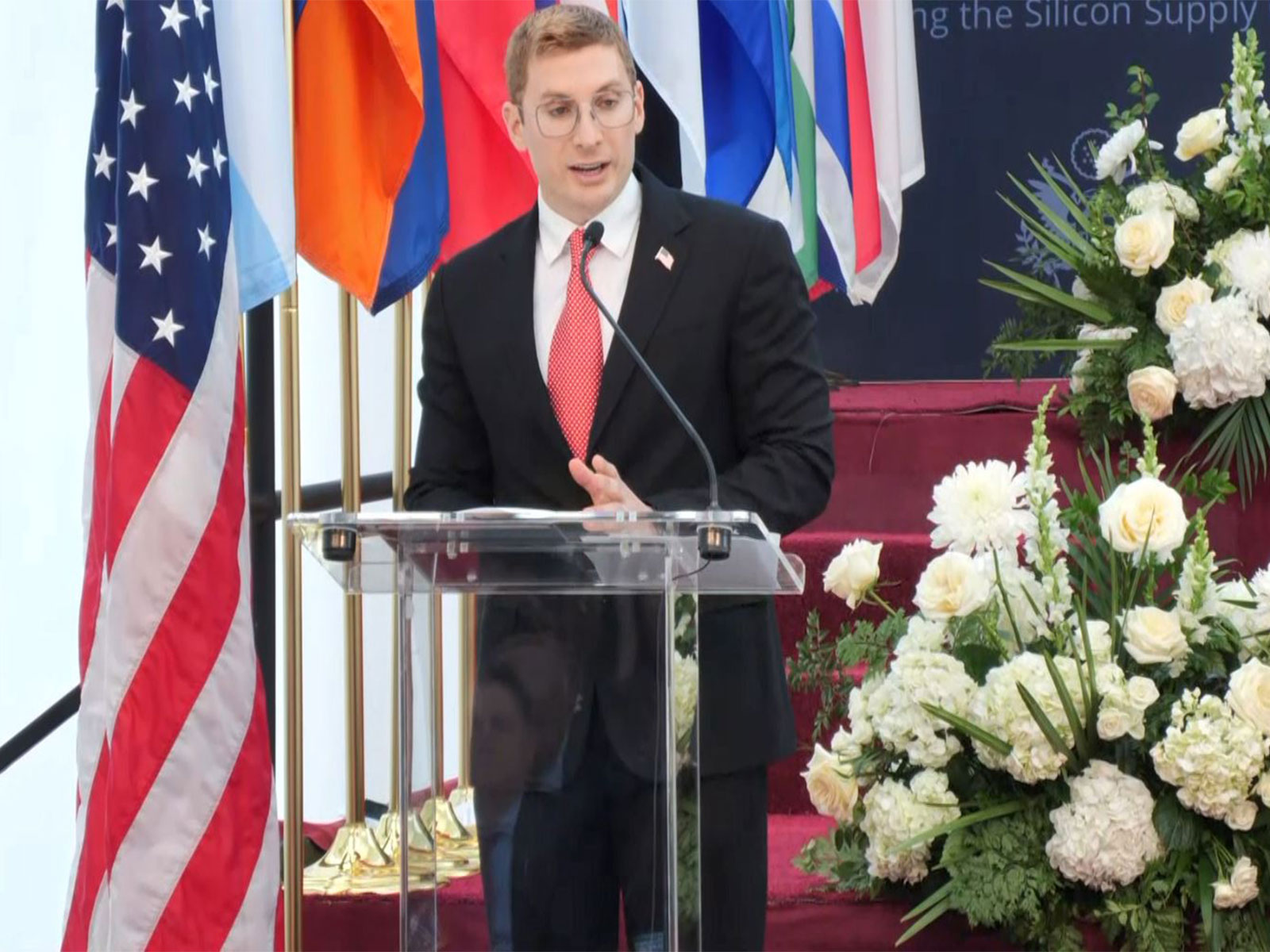
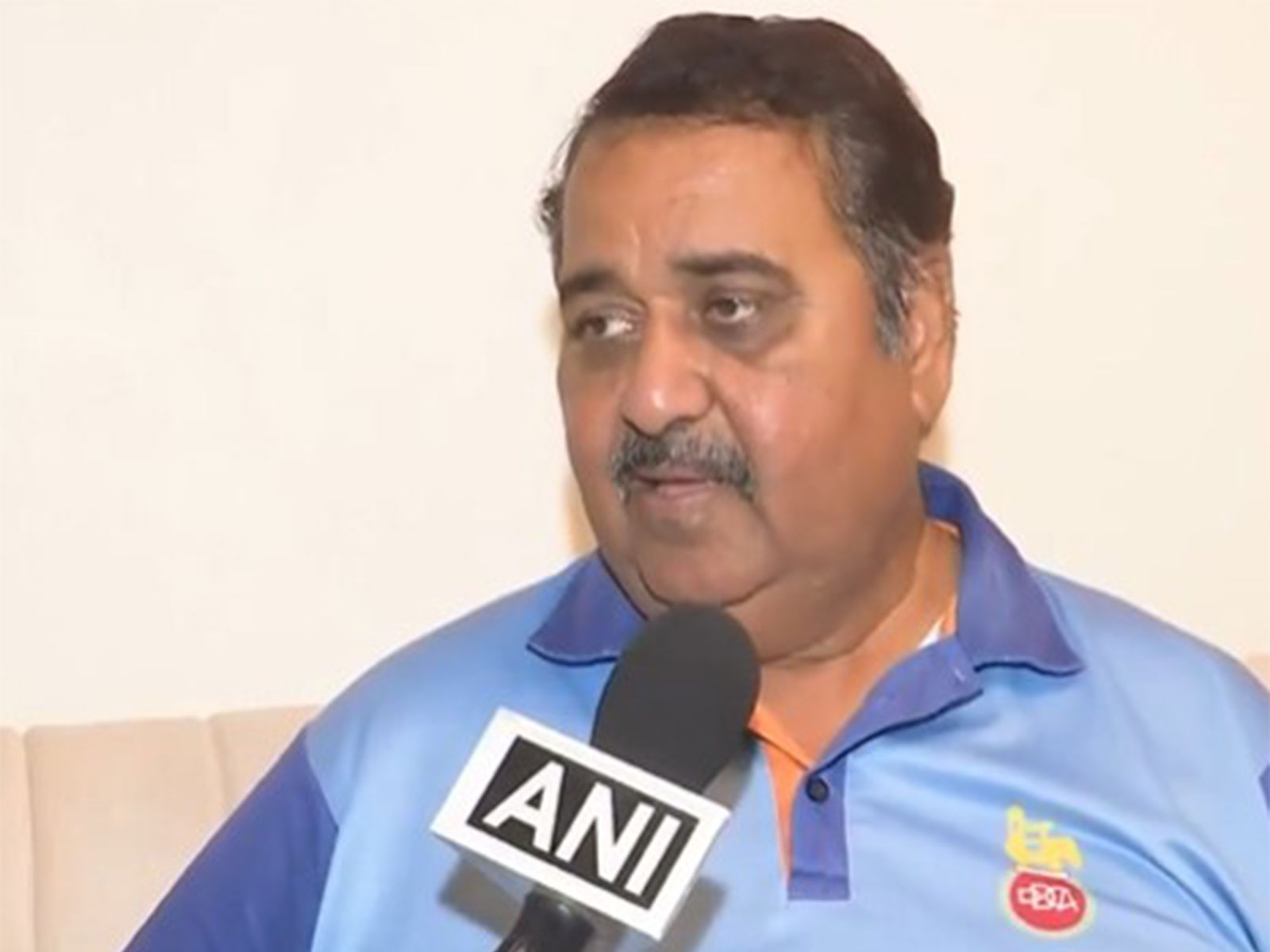
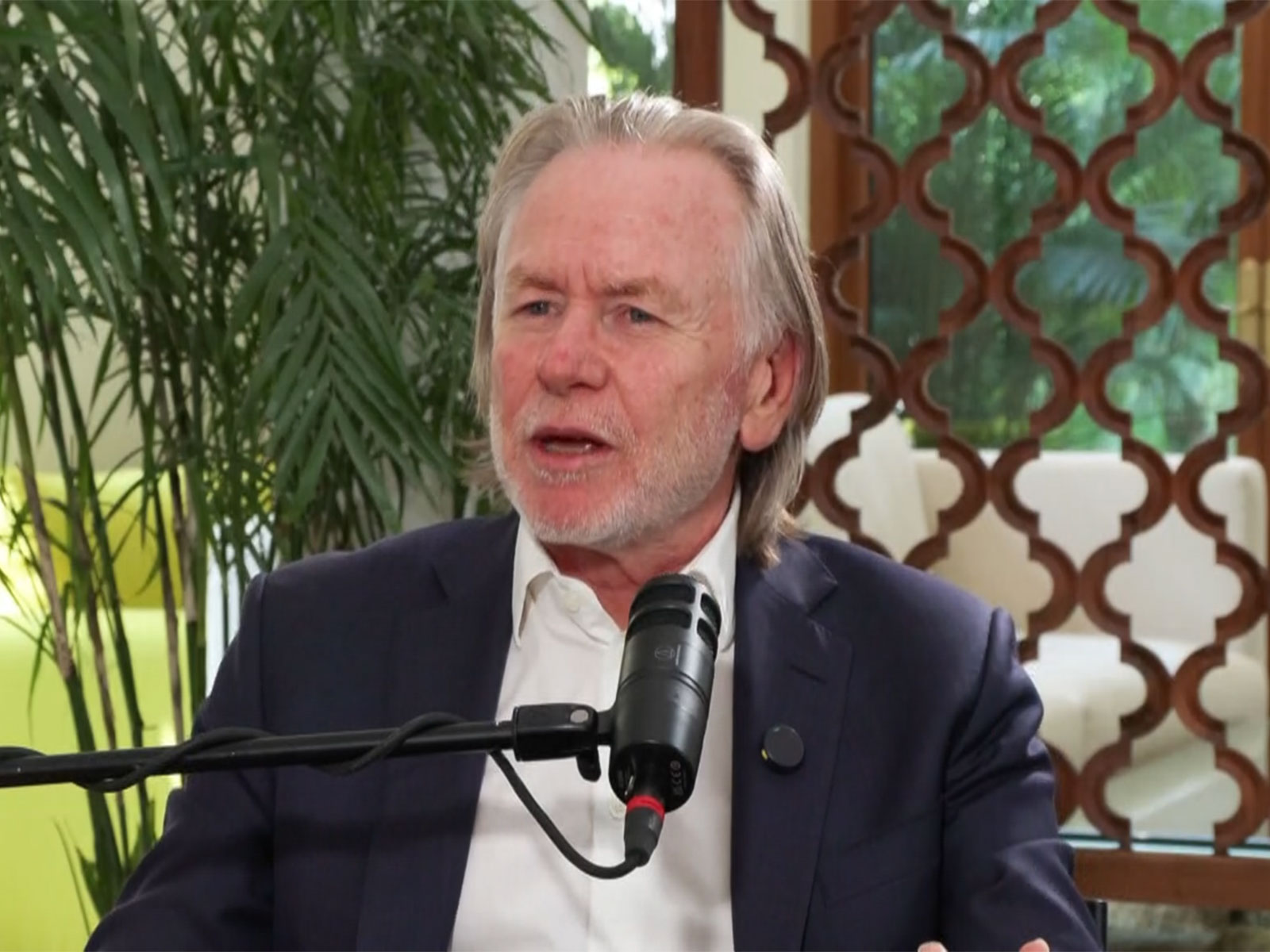
New Delhi [India], May 2 : High Commissioner of Australia to India, Philip Green, said that the West Asia crisis is having ripples across all of our countries and Australia, like India, is having to adjust for higher oil prices and all the flow-through effects to other supply chains.
Green, in a conversation with ANI, said that India is being very active in engaging with key players to make sure its interests are secured.
"I don't know that I can predict the future, but I can tell you that this is having ripples across all of our countries. As you say, Australia, like India, is having to move quickly to adjust and be ready for higher oil prices and all the flow-through effects to other supply chains. Our government has been very active in making sure there will be adequate supplies of fuels from countries in our region that do refining, as we mostly import refined fuels from around our region," he said.
Green said that Australia hoped that the Strait of Hormuz remains open and trade returns to normalcy.
"I have seen India being very active in engaging with key players to make sure its interests are secured. Our foreign ministers have been in touch about it two or three times. On a wider canvas, I know France and Britain have held online meetings, and each of our governments has been involved in that. We are all seeing if we can get through this with as little damage to our economies as possible. For both of us, I think we are very pleased that the ceasefire is in place. We are looking for a de-escalation of tensions and the quickest effort to make sure the Strait of Hormuz can be open so we can get back to normal trade," he said.
Green said that India stepped its way through the geopolitics and geoeconomics of this crisis rather impressively.
"I see India having to deal with the consequences of being a country that is both a big importer and refiner of fossil fuels. I have seen India step its way through the geopolitics and geoeconomics of this rather impressively, ensuring it can receive supplies of oil and gas. I have also seen India on the same page as Australia in trying to move forward the process to get the Straits of Hormuz open. It is complex for all of us and none of it is without risk, but as we normally see from Dr. Jaishankar and Mr. Singh Puri, it is a very professional effort to deal with a difficult situation," he said.
Green said that even before the war, Australia had been keen on diversifying its sources of supply and export, and India was a keen partner in the same.
"I can't speak for the Indian side, but on our side, long before external shifts in global leadership, Australia was very keen on diversifying its sources of supply and export. For us, India is a big part of that. This is the largest, fastest-growing large economy in the world, and it is very complementary to ours. We produce the things that India doesn't and vice versa. Our energy, minerals, skills, and training will be very useful to India in its next phase of growth. I wouldn't put it down to outside forces; for us, this is about the real opportunity between our bilateral markets and our goal for diversification," he said.
Meanwhile, in the context of the West Asia crisis, US President Donald Trump has expressed dissatisfaction with Iran's latest peace proposal, saying "they're asking for things I can't agree to", and warned against "early" end to the conflict "and have this kind of problem arise in three more years," as quoted by Al Jazeera.