India better off risking US market access than abandoning Russian oil: Political Economist
Oct 06, 2026
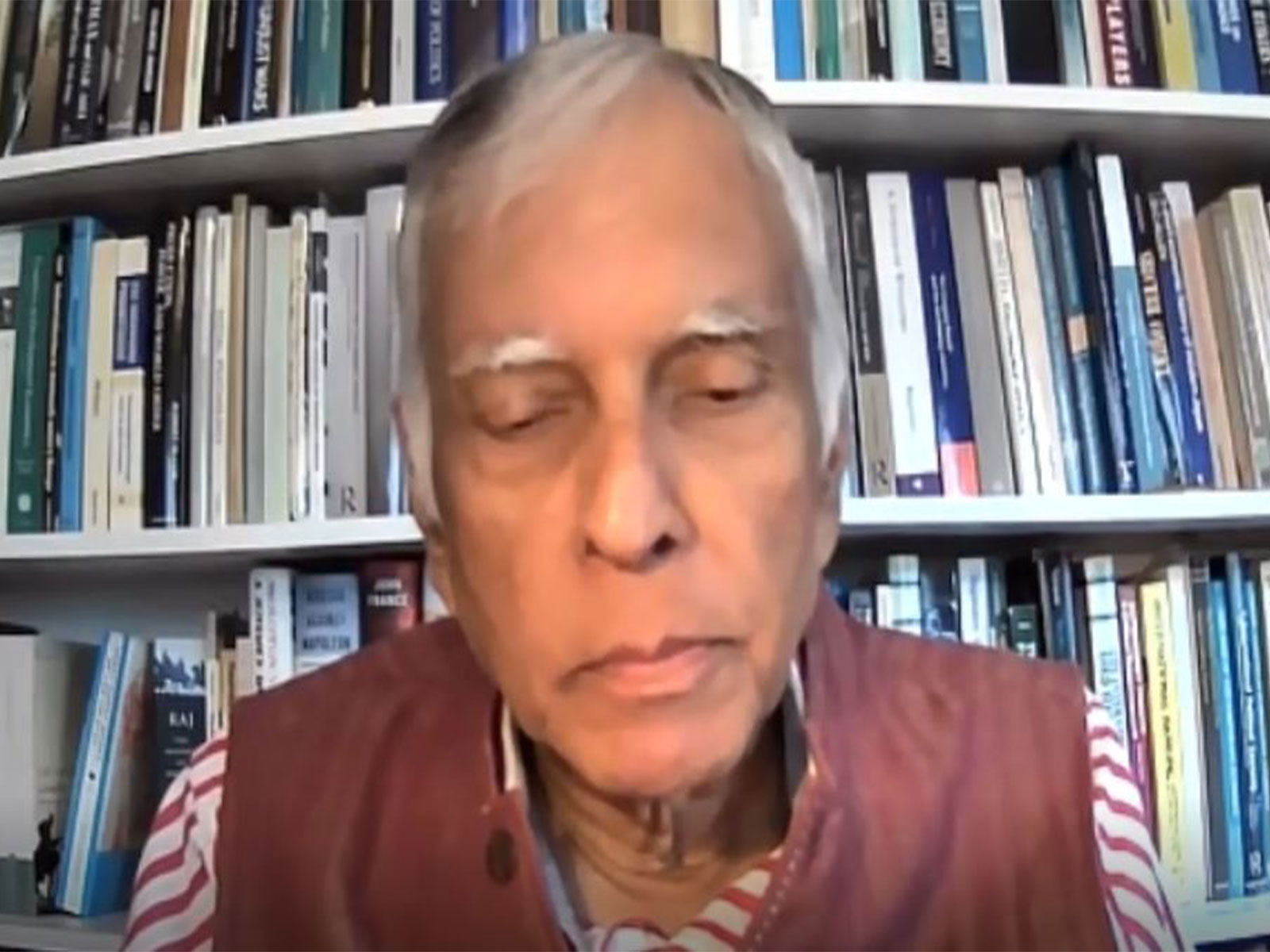
London [UK], October 6 : India would be better off accepting the risk of losing some access to the US market than abandoning Russian oil purchases if forced to choose between the two, political economist Gautam Sen said, arguing that a disruption to energy supplies could impose a much higher cost on the Indian economy.
The assessment highlights the difficult trade-off facing India as energy security becomes increasingly entangled with trade and geopolitics, even as the United States remains India's largest merchandise export market and New Delhi depends on imports for nearly nine-tenths of its crude oil requirement.
“It is better to accept the punishment of loss of markets. It's a question of two evils,” Sen, a former London School of Economics faculty member, told ANI in an interview.
Sen argued that further trade concessions may not be sufficient to resolve differences with Washington if India's relationship with Russia, particularly its oil purchases, remains part of the wider geopolitical friction.
“US will be very difficult to satisfy with any further trade concessions India might attempt to make. And India has already made significant concessions to the US,” he said.
He said stopping purchases of Russian crude could push up India's energy costs by forcing refiners to look for alternative supplies in an already tight global market.
“If India stops purchasing Russian oil, it will be extremely consequential for India because the prices will rise in the global market,” Sen said.
The stakes are significant on both sides of that equation.
The United States is India's largest merchandise export destination, accounting for about 20.75 per cent of India's exports, according to the Department of Commerce's Trade Intelligence and Analytics portal. The portal puts India's merchandise exports to the US at over USD 92 billion, underlining the importance of continued access to the American market.
At the same time, India's exposure to movements in global oil markets remains substantial. Petroleum Planning and Analysis Cell data showed the country's crude oil import dependence at around 88 per cent, meaning a sharp increase in international crude prices can feed through to India's import bill, inflation, the rupee and broader macroeconomic conditions.
That makes access to competitively priced crude an important economic consideration for New Delhi even as it seeks deeper commercial ties with Washington.
India and the US had in February announced a framework for an interim trade agreement under which India agreed to eliminate or reduce tariffs on a range of US industrial and agricultural goods, while the United States said it would apply an 18 per cent reciprocal tariff on originating Indian goods, with relief envisaged for certain products subject to successful conclusion of the agreement.
Negotiations continued subsequently. During US Trade Representative Jamieson Greer's visit to New Delhi in June, the two sides said they had made “substantial progress” and were working towards an interim agreement covering market access, non-tariff barriers, digital trade and supply-chain resilience.
Prime Minister Narendra Modi and US President Donald Trump also reviewed cooperation in trade, energy and other areas during a telephone conversation on September 30, with both sides agreeing to remain engaged.
Sen, however, said he believed the negotiations had currently reached an impasse after substantial efforts by the Indian side.
“It is now deadlocked. But deadlocked does not mean forever,” he said. “It is deadlocked at the moment.”
His assessment suggests that the larger question for India may no longer be simply how many trade concessions it can offer, but how far it can deepen economic ties with the US without compromising an energy strategy shaped by its heavy dependence on imported crude.