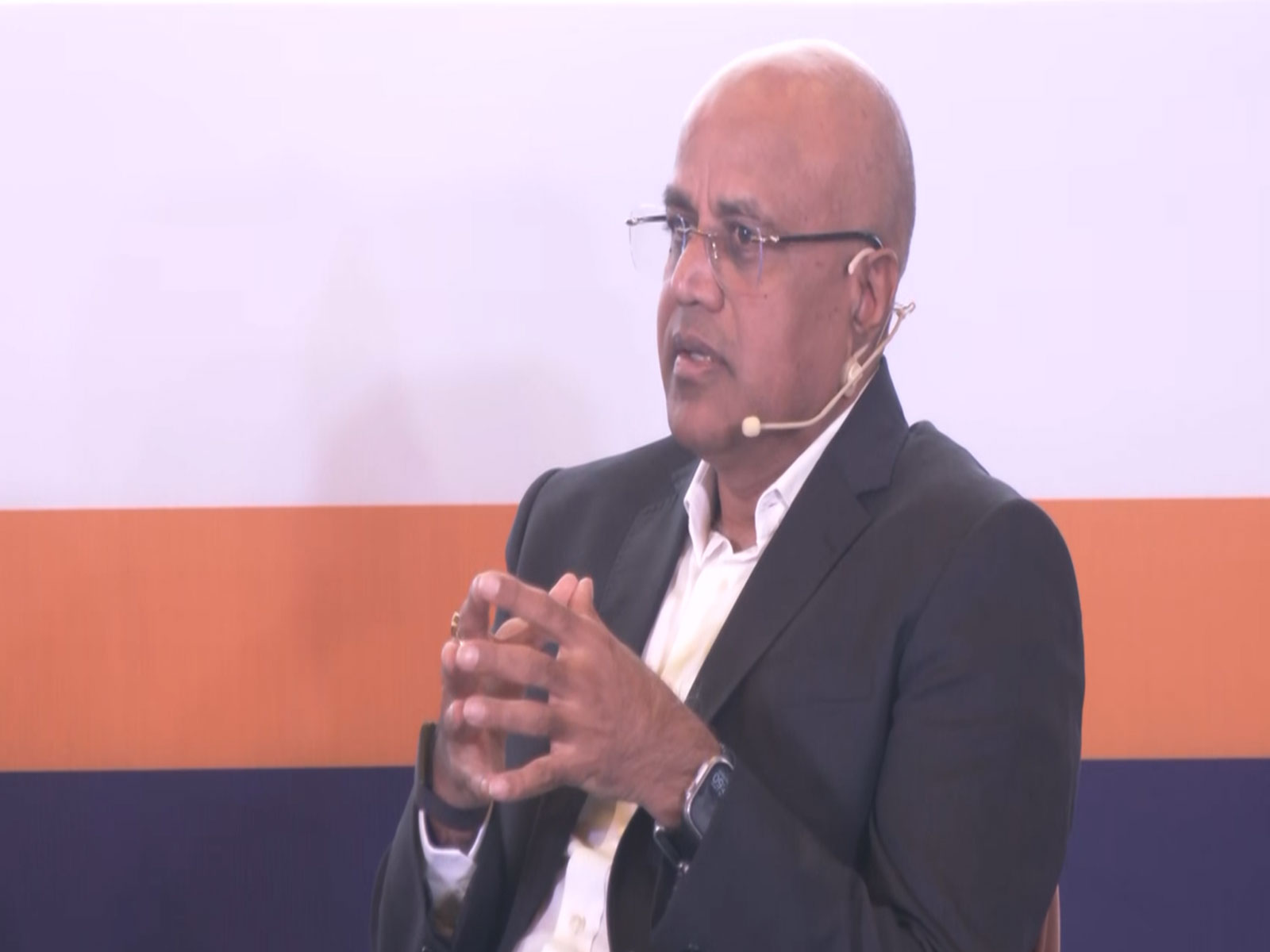
India needs 3 national carriers to compete globally, support aviation growth: Adani Airports CEO
Nov 03, 2026
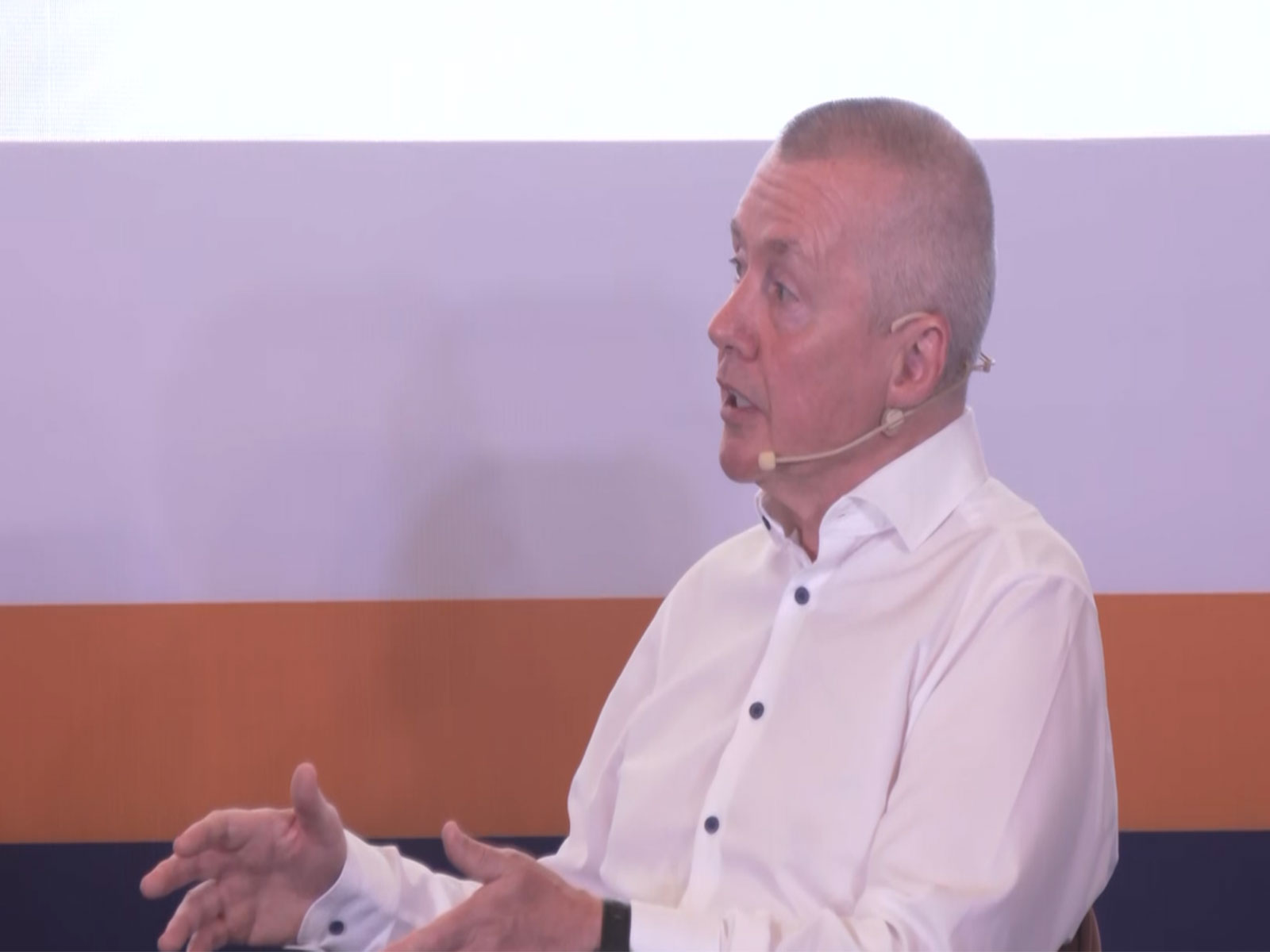
New Delhi [India], November 3 : India should have three national carriers to support its growing aviation market and strengthen its position in international air travel, Adani Airports CEO Arun Bansal said, stressing the need to build globally competitive domestic airlines before opening up the sector to greater international competition.
Speaking at Delhi Aviation India 2026, Bansal said India needed a stronger domestic airline ecosystem to serve its growing passenger base and compete with international carriers.
"I think India deserves to have three national carriers," he said, adding that IndiGo and Air India could be counted among the country's national carriers, “but we need a third of their equal size.”
He also called for Indian airlines to achieve global economies of scale and service standards before the country considers a broader open-skies approach. The country should “protect Indian airlines first," he said, arguing that domestic carriers should be allowed to strengthen their position before facing greater international competition.
Bansal said India was forecasting passenger traffic to increase nearly fourfold, from around 300 million currently to 1.1-1.2 billion by 2040-45. Supporting this growth would require three key elements: more aircraft, expanded airport infrastructure and regulatory changes, he said.
He noted that Indian travellers currently depend on international hubs, including those in the Middle East, to reach Europe and the US. Better direct connectivity would require airlines to expand their fleets, airports to increase capacity and regulators to introduce necessary changes.
On the infrastructure front, Bansal said Adani Airports planned to invest USD 10-11 billion over the next seven years across airport infrastructure, non-aeronautical businesses and city-side development in India.
The company currently handles around 100 million passengers across its airport platform and aims to increase this to 300 million over the next 10 years. It will also participate in the government's next airport privatisation round involving 11 airports, he said.
Bansal said the company was accelerating Phase 2 of Navi Mumbai airport, which is planned to have a capacity of 50 million passengers by 2030. At the existing Mumbai airport, redevelopment of Terminal 1 is expected to raise the combined capacity of the two terminals from 55 million to nearly 65 million passengers.
He said Adani Airports would remain focused on India's growth opportunities, with international expansion considered only if a particularly attractive opportunity arises.