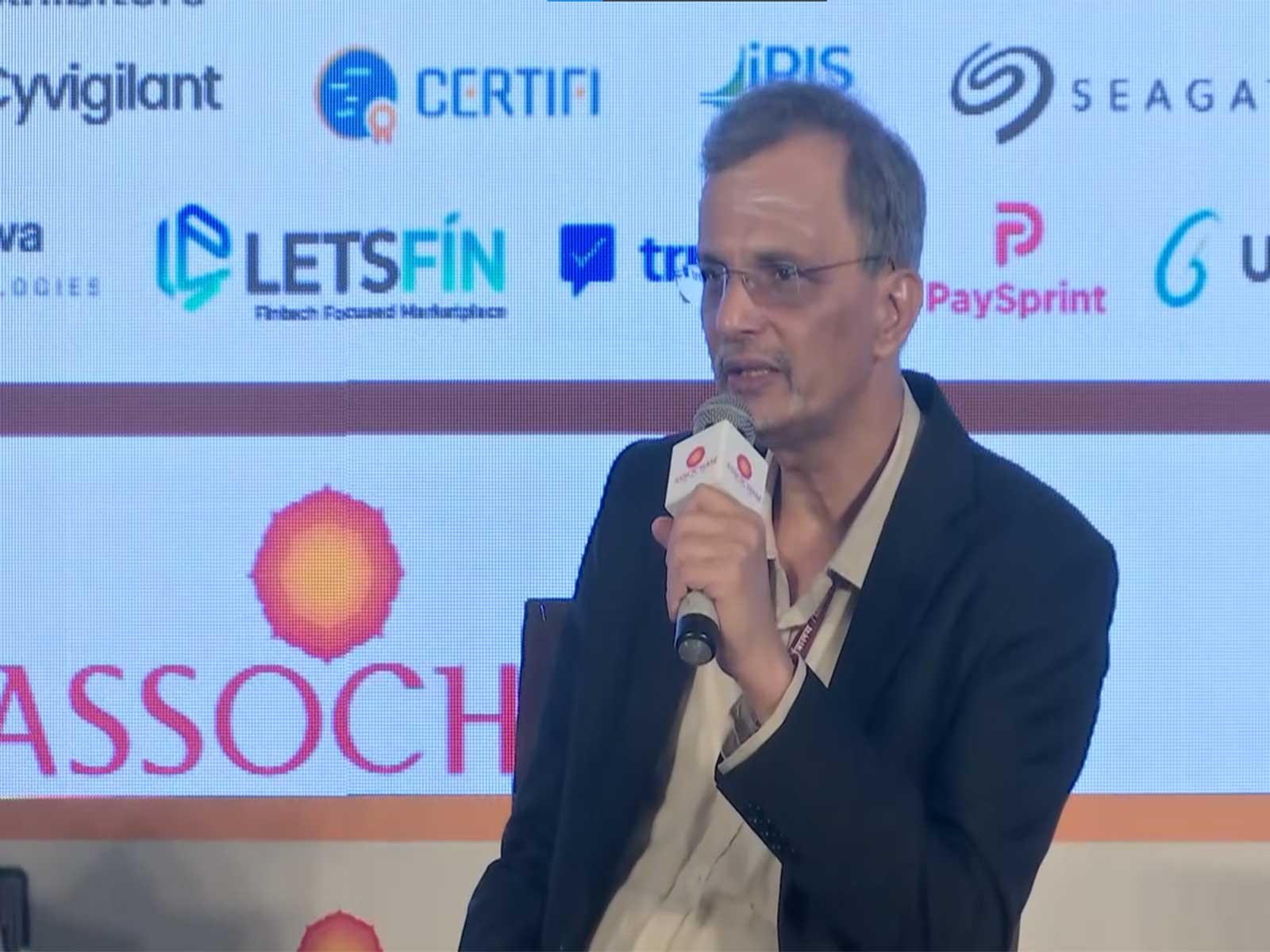
India needs proactive approach on AI safety, security in financial sector: CEA Nageswaran
Aug 07, 2026
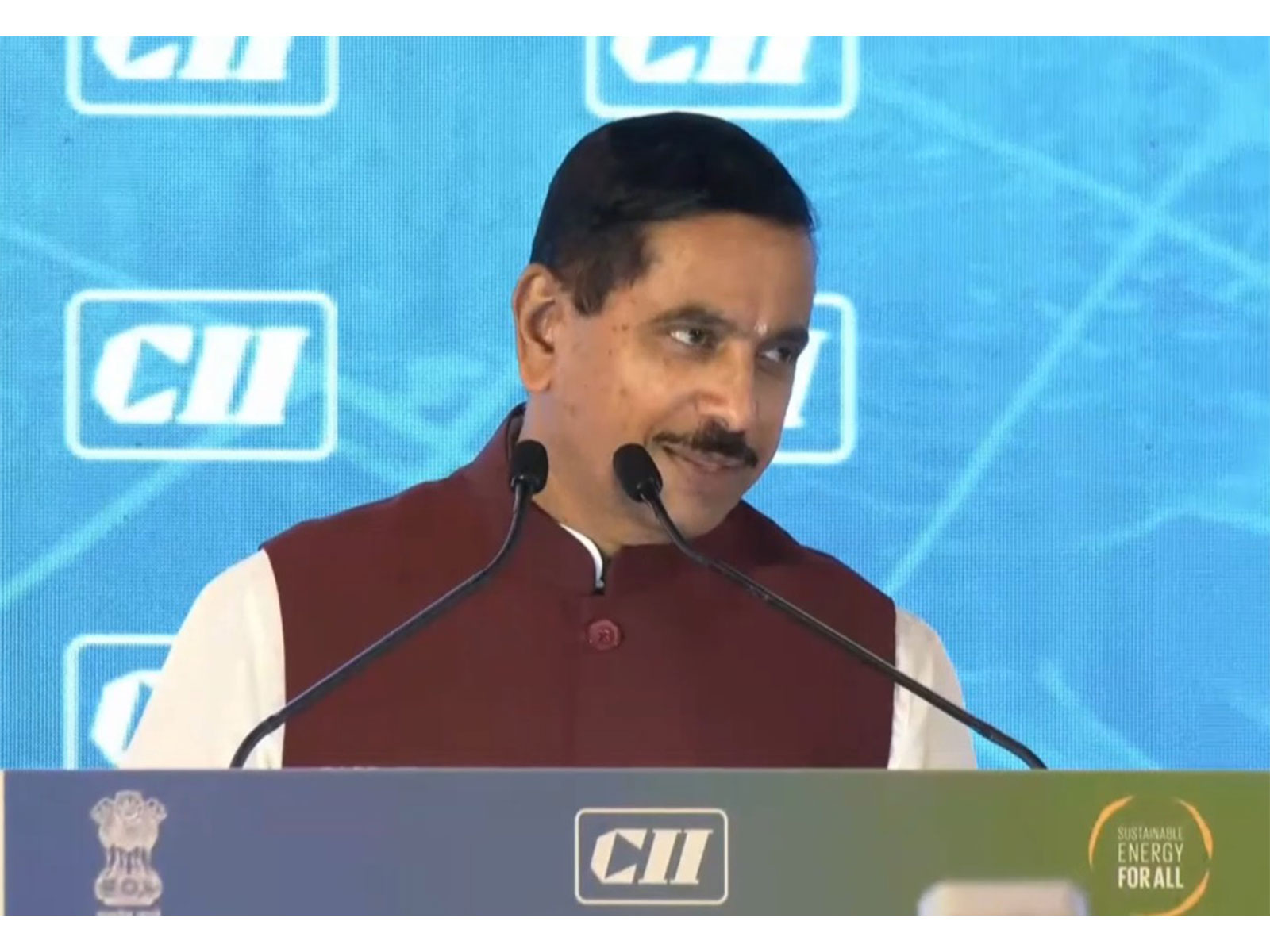
New Delhi [India] August 7 : India needs to be proactive on the safety and security aspects of artificial intelligence, particularly in the financial sector, Chief Economic Adviser V. Anantha Nageswaran said on Friday, cautioning that AI should not become a tool for exclusion and that humans must remain in the loop.
"We have to be very proactive in the safety and security aspect of AI. I think the focus right now has to be both from an Indian and a global perspective on the safety and security dimension, because with the temptation to take advantage of technology gains, we should not lose what we already have. And I think humans in the loop have to be kept always safe," Nageswaran said.
He said this during a fireside chat with Gautam Aggarwal, Division President for South Asia and Country Corporate Officer, India, Mastercard, on the second day of the ASSOCHAM's third FinTech Festival in New Delhi.
Nageswaran said AI could help financial firms analyse creditworthiness more effectively and flag risks of default and financial stress at an earlier stage, but stressed that its deployment should not create new forms of exclusion.
"It's important to ensure that AI doesn't become a tool or a filter for exclusion," he said.
He also said the next 20 years would be considerably more challenging than the previous three decades since economic reforms began in 1991, with India facing structural changes across climate, technology, geopolitics and the weaponisation of various capabilities.
"The next 20 years will not be the same as the previous 30 years since the reforms began in 1991. They will be much harder," Nageswaran said.
He called for both the public and private sectors to substantially raise their efforts to navigate the changing environment.
"All of us in this room and outside, private sector and public sector, have to up our game substantially for the next 20 years," he said.
On cross-border payments, Nageswaran said growth in underlying trade in goods and services between countries would be more important for sustainably expanding payment flows.
"More important is to facilitate the growth of the volume of trade in goods and services than cross-border payments will happen," he said.
He said regulatory architecture and technology infrastructure were important preconditions, but cross-border payment activity would ultimately evolve with the size and flow of economies and the volume of transactions between them.
Turning to fintech, Nageswaran described the sector as an enabler that allows other parts of the economy to adopt technology, while arguing that capital allocation should primarily be determined by market participants.
"This is an enabling sector. It is a sector that enables other sectors to absorb their potential," he said.
He said fintech firms have generally operated with relatively limited capital compared with well-capitalised incumbents, with their ability to make a difference therefore concentrated in areas such as SMEs, self-employed borrowers and retail personal finance.
Nageswaran also cautioned against making the size of fintech or financial-sector activity a standalone policy target relative to GDP, saying financial activity should follow the growth of the real economy.
"When we end up putting the cart before the horse, the finance cart before the real economy horse, then it doesn't serve either the real economy or the financial sector," he said.
On broader economic priorities, Nageswaran said India needs to focus on the physical and mental health of its young population over the next 20 years, alongside skilling and education.
He also highlighted the importance of state capacity, particularly the ability of governments to make decisions faster, as a key requirement for sustaining growth.