India negotiated "excellent trade deal" with US on tariffs, says MoS Kirti Vardhan Singh
Nov 26, 2026
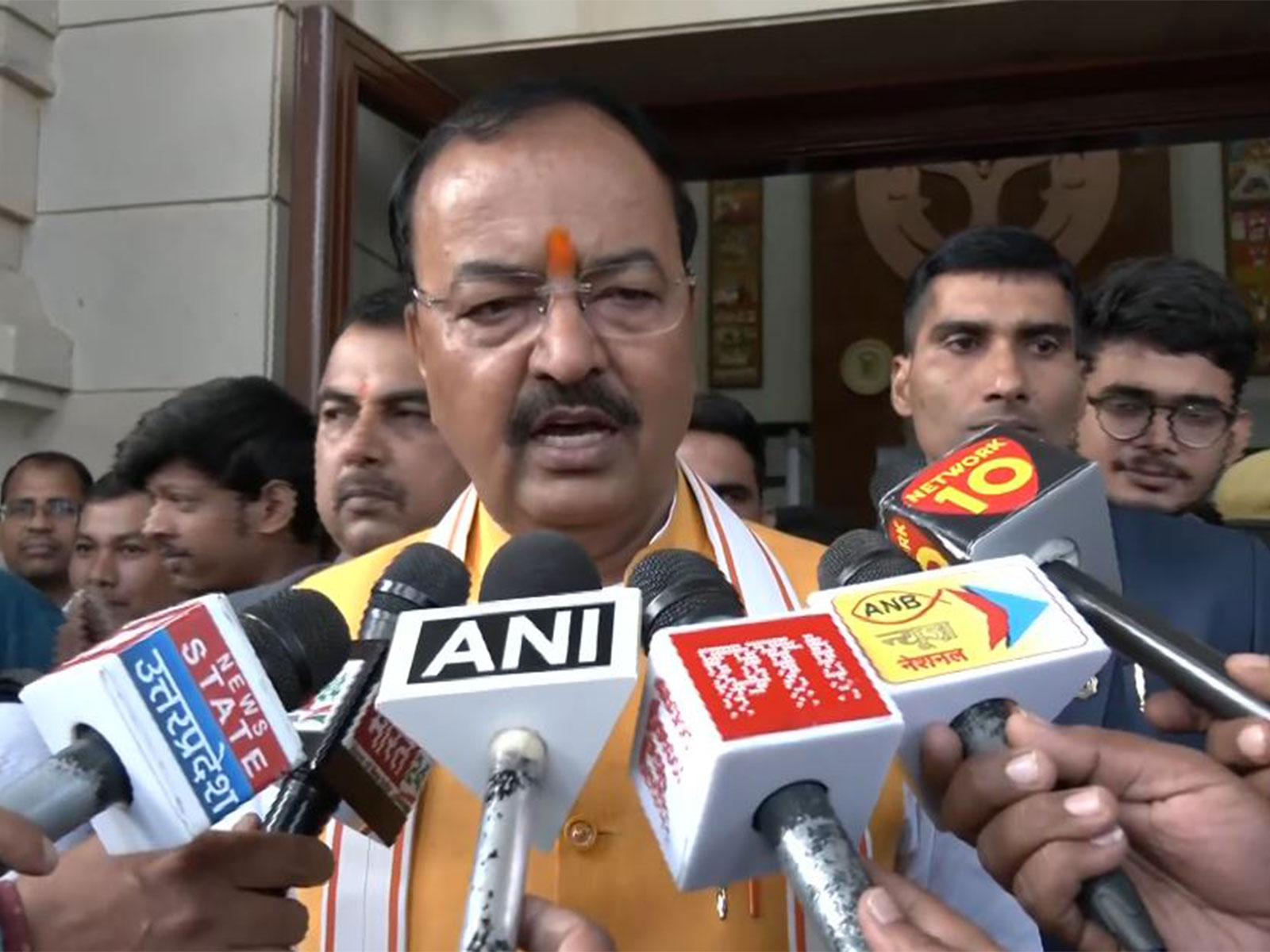
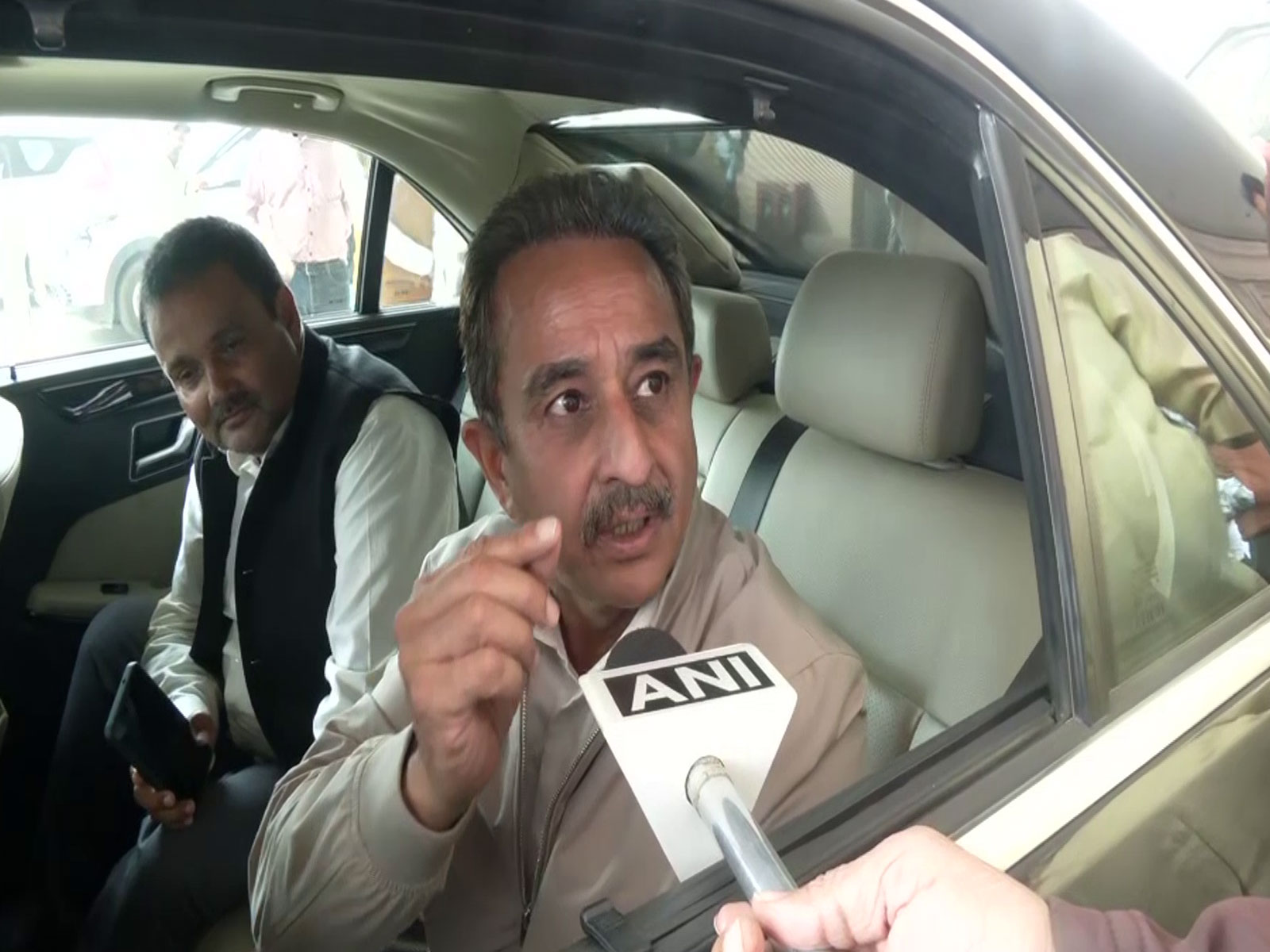
Ayodhya (Uttar Pradesh) [India], November 26 : Minister of State for External Affairs Kirti Vardhan Singh on Thursday said India had negotiated an "excellent trade deal" with the United States on tariffs, describing the proposed reduction in duties on Indian goods from 25 per cent to 17 per cent as a significant achievement for the country.
Speaking to ANI on the US Trade Representative's (USTR) proposal to impose tariffs of up to 25 per cent on Indian goods and a reciprocal tariff rate of 17 per cent, Singh credited the government for securing favourable terms through negotiations with Washington.
"The tariff that the US is currently imposing on India stands at 25%; however, following further negotiations, this will be reduced to 17%—a rate that will even be 1% lower than what applies to Vietnam, Bangladesh, and various other South Asian nations. Credit for this should go to our government, as it has successfully negotiated an excellent trade deal with the US regarding these tariffs. This is a significant achievement for us," he said.
His remarks come after the United States named India among 14 trading partners allegedly contributing to what Washington described as "structural excess capacity" in manufacturing and proposed fresh tariffs following investigations under Section 301 of the Trade Act.
US Trade Representative Jamieson Greer announced the findings of the investigations, identifying India, Bangladesh, Cambodia, China, the European Union, Indonesia, Japan, South Korea, Malaysia, Singapore, Switzerland, Taiwan, Thailand and Vietnam among the economies under scrutiny.
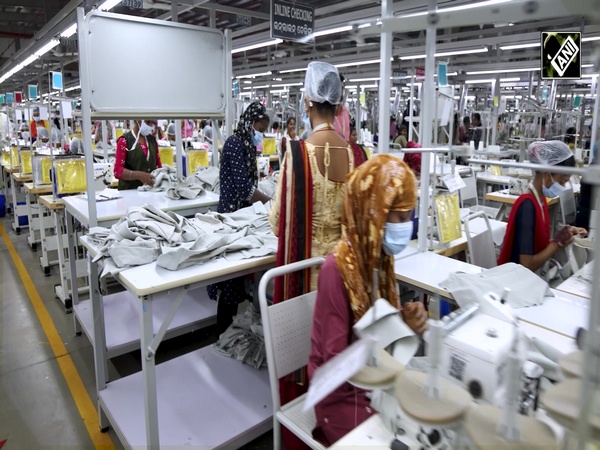
Greer alleged that these economies used industrial policies, subsidies and weak labour and environmental standards to develop manufacturing capacities beyond market demand. The sectors identified included steel, aluminium, automobiles, batteries, chemicals, electronics, semiconductors, solar modules and shipbuilding.
A senior US official said the proposed tariff rates would be consistent with trade agreements or frameworks that Washington had already reached or was close to finalising with various countries.
The official also clarified that the proposed tariffs would not take effect immediately. A public comment period and hearings would be conducted before a final decision, with January being the earliest possible timeline for implementation.
The proposals are separate from earlier global tariffs imposed under emergency powers. Indian exporters and officials are awaiting formal notifications to ascertain the exact tariff rates, the range of goods covered and their implications for bilateral trade.