India, S Korea upgrade ties to "futuristic partnership"; Seoul joins global solar alliance, Indo-Pacific Oceans Initiative
Apr 20, 2026
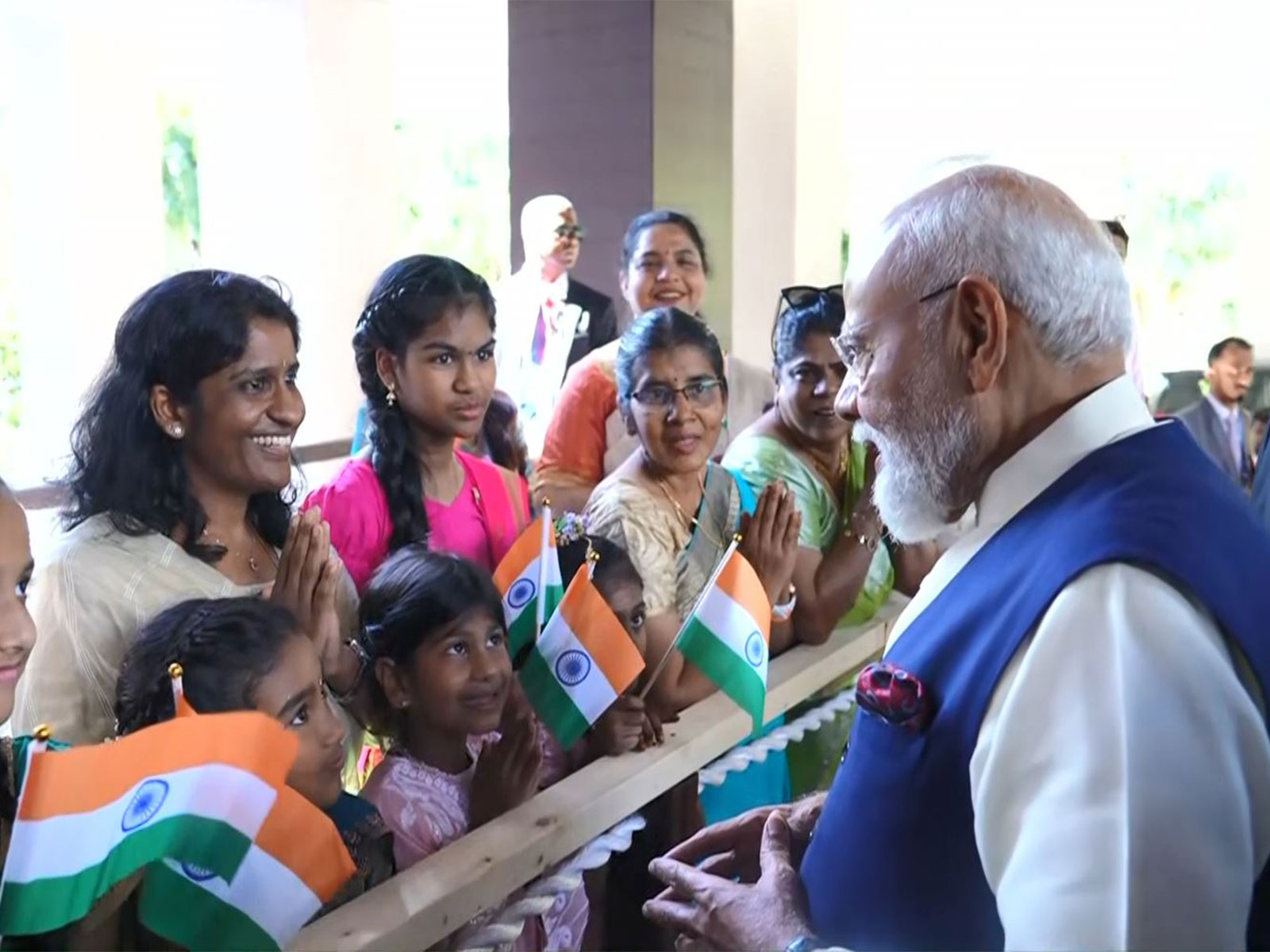
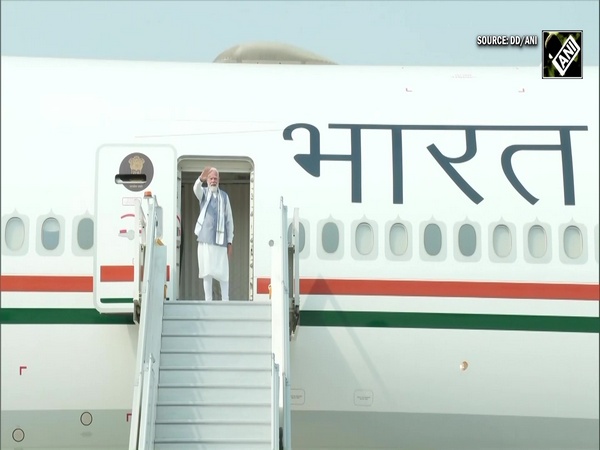
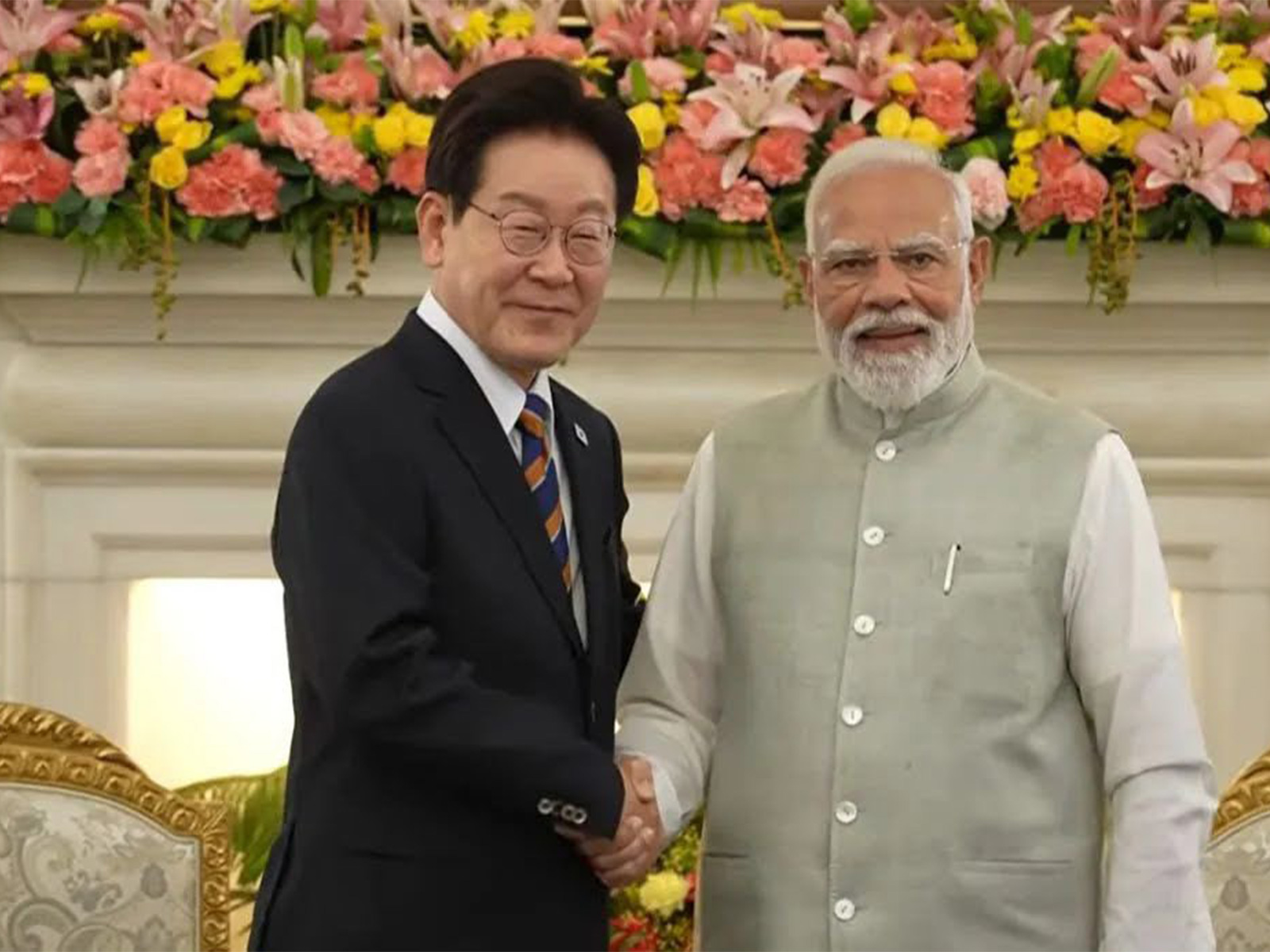
New Delhi [India], April 20 : India and South Korea on Monday decided to elevate their bilateral relationship to a "futuristic partnership", with Prime Minister Narendra Modi announcing deeper cooperation across sectors and welcoming Seoul's entry into two key global initiatives led by India--the International Solar Alliance (ISA) and the Indo-Pacific Oceans Initiative (IPOI).
"In this period of global tensions, India and Korea together send a message of peace and stability. We are very happy that today Korea is joining the International Solar Alliance and the Indo-Pacific Oceans Initiative," PM Modi said.
"Through our shared efforts, we will continue to contribute towards a peaceful, progressive and inclusive Indo-Pacific. We also agree that reforms in global institutions are essential to address global challenges," he added.
Pointing out the values shared by Seoul and New Delhi and their strategic alignment, PM Modi said, "Democratic values, a market economy, and respect for the rule of law are part of the DNA of both our countries. We also share a common outlook in the Indo-Pacific region. On this strong foundation, our relations have become dynamic and wide-ranging. Today, with the President's visit, we are moving from a trusted partnership to a futuristic partnership."
Further on prospects of future collaboration, the Prime Minister added, "Today, with President Lee's visit, we are going to transform this Trusted Partnership into a Futuristic Partnership. From Chips to Ships, Talent to Technology, Entertainment to Energy, we will realise new opportunities for cooperation in every sector."
South Korea's decision to join the ISA is likely to boost global clean energy efforts. According to India's Ministry of New and Renewable Energy, the alliance has emerged as a key platform to accelerate solar deployment and support the global transition to sustainable energy systems.
"The global solar revolution is gaining unprecedented momentum. This acceleration reflects the growing centrality of solar energy in the global transition toward cleaner and more sustainable energy systems. The International Solar Alliance plays an important role in this transformation by mobilising partnerships among governments, development institutions, industry, and investors to scale up solar deployment across the world," the ministry said in an earlier statement.
Launched by India and France at the Paris Climate Conference 2015, the ISA now has more than 120 member countries. It focuses on expanding solar energy access, particularly in Africa, Asia, Latin America and Small Island Developing States, where it can support livelihoods and strengthen resilience.
The alliance's work is built around four key pillars: mobilising large-scale finance, building global capacity and digital platforms, strengthening regional and country-level partnerships, and advancing technology and policy frameworks to speed up solar adoption.
South Korea has also joined the IPOI, which India announced at the East Asia Summit 2019 as a framework for practical cooperation in the Indo-Pacific.
At the summit in Bangkok in November 2019, PM Modi had outlined the vision of the IPOI, stating that it is "a comprehensive initiative for a safe, secure and stable maritime domain, based on international law." He said the initiative is "open, inclusive and non-treaty based" and built on cooperation among like-minded countries.
The initiative is structured around seven interconnected pillars, including maritime security, maritime ecology, disaster risk reduction, trade and connectivity, and scientific cooperation. The Indian Navy plays a key role in advancing the maritime security pillar of the IPOI through regular engagements and dialogues.
India has been steadily expanding support for the initiative. Earlier this year, Finland showed interest in joining the IPOI, while Spain formally joined the framework. New Zealand became a member in 2025.