India's expanding naval capabilities position it as critical maritime security partner for Israel, West: Jerusalem Post analysis
Jul 20, 2026
New Delhi [India], July 20 : As conflict in West Asia, tensions involving Iran and repeated attacks on commercial shipping expose the vulnerability of global trade routes, India's growing maritime capabilities are emerging as increasingly indispensable to Israel's security and the broader strategic interests of the United States and Europe, according to an opinion article in The Jerusalem Post, which described the development as India's "Maritime Moment".
The op-ed, authored by Paushali Lass, argues that New Delhi's strategic location, expanding naval capabilities, and growing role in securing critical maritime chokepoints are positioning India as a key provider of maritime security at a time when uninterrupted global commerce has become a strategic necessity. It contends that the defining question is no longer who controls vital waterways, but which nation possesses the capability and credibility to keep them open for global trade.
According to the article, Israel's security is now increasingly intertwined with the security of global maritime routes. Escalating tensions involving Iran, repeated Houthi attacks on commercial vessels in the Red Sea and continuing instability across West Asia have highlighted the vulnerability of global supply chains, energy flows and international shipping.
Against this backdrop, the article argues that India is emerging as one of the few countries capable of contributing meaningfully to the protection of these strategic waterways.
Situated at the heart of the Indian Ocean, India occupies a unique geographical position connecting the energy-rich West Asia, African markets and East Asia's manufacturing hubs. Its western coastline overlooks shipping routes linking the Persian Gulf with the Red Sea, while the Andaman and Nicobar Islands overlook the Strait of Malacca, one of the world's busiest maritime trade corridors and a critical gateway connecting the Indian and Pacific Oceans.
The opinion piece further notes that New Delhi is strengthening military infrastructure across the Andaman and Nicobar Islands to enhance its ability to monitor and secure the Strait of Malacca while balancing China's expanding strategic footprint in the Indian Ocean.It argues that India's geographical advantage, combined with growing maritime infrastructure, is increasingly enabling it to safeguard some of the world's most critical sea lanes.
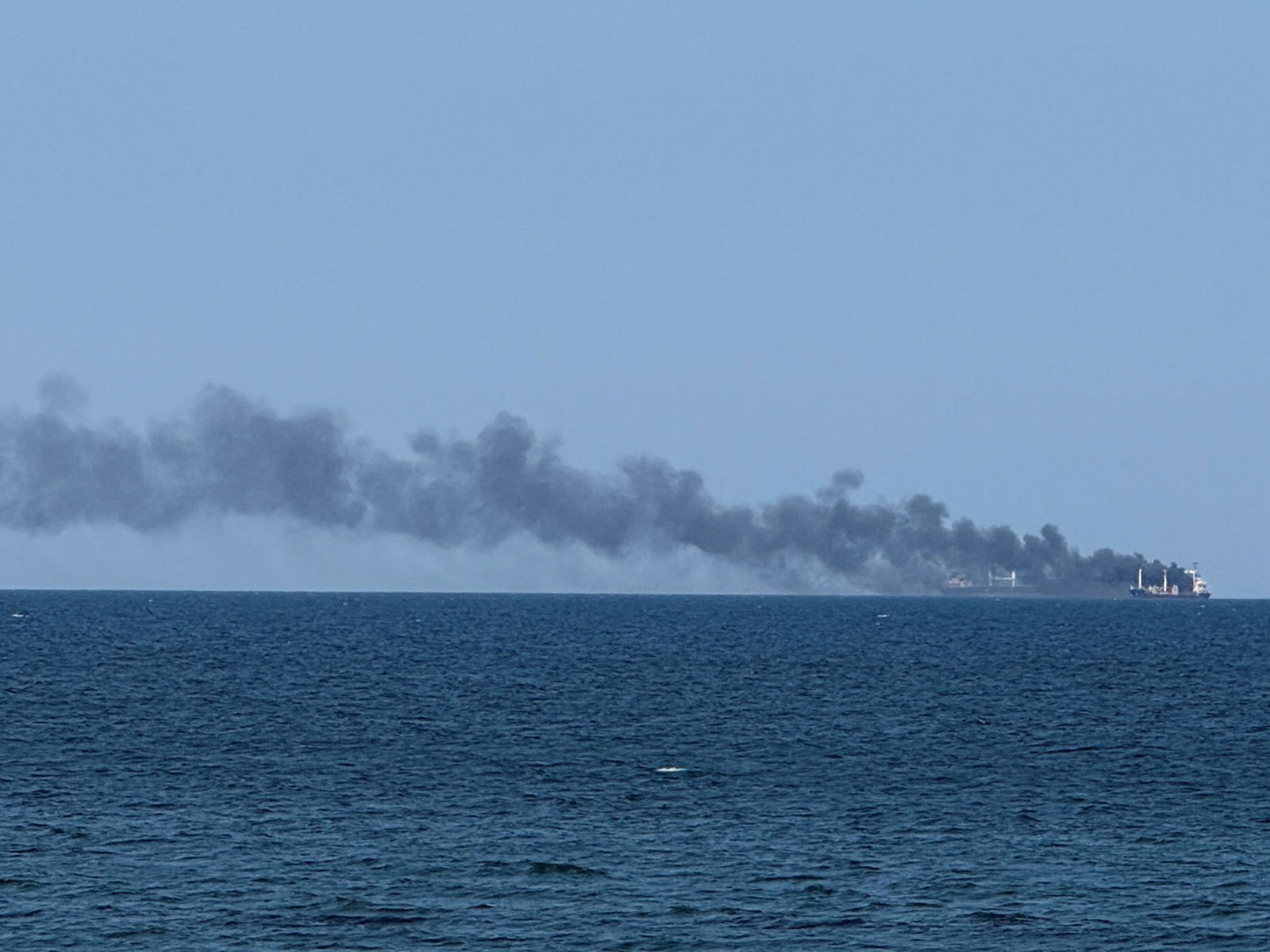
The J Post Op-ed identifies three maritime chokepoints as central to contemporary geopolitical competition, the Strait of Hormuz, Bab el-Mandeb and the Strait of Malacca. Any disruption across these corridors, it notes, can drive up global energy prices, increase shipping costs and disrupt international supply chains. Recent attacks on commercial shipping in the Red Sea by the Houthis, coupled with tensions involving Iran, have demonstrated how quickly instability in these regions can affect the global economy.
According to the op-ed, India's significance extends well beyond being one of the world's largest energy consumers. It argues that New Delhi is increasingly evolving into a provider of maritime security through sustained operational deployments across the Indian Ocean Region.
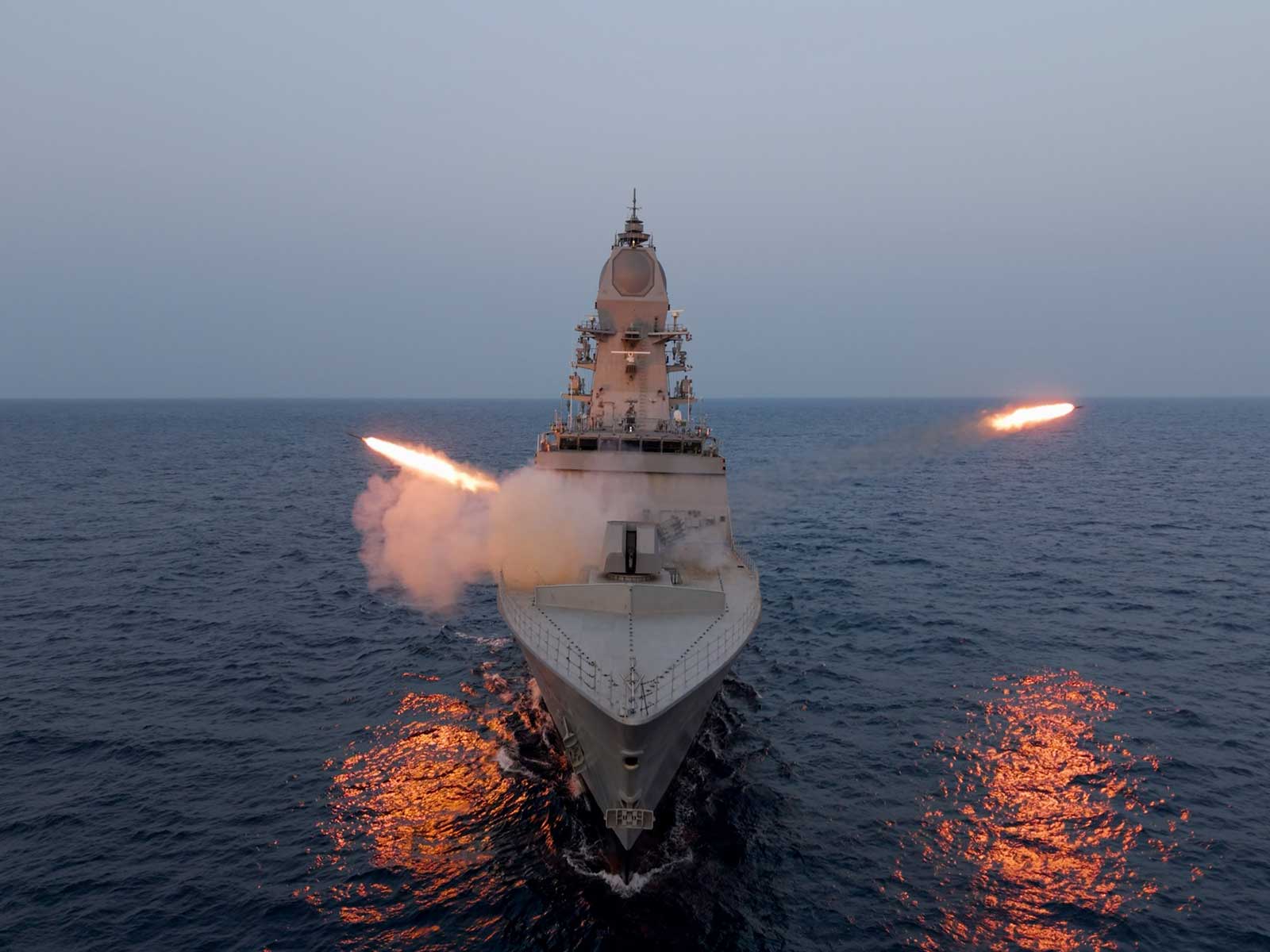
To support this argument, the article refers to the Indian Navy's anti-piracy operations in the Gulf of Aden since 2008, its deployment of more than 30 warships during heightened maritime threats in 2024, and its role in escorting merchant vessels through vulnerable waters while rescuing hundreds of seafarers irrespective of nationality. These operations, it says, demonstrate India's growing capacity to secure international shipping and respond rapidly to emerging maritime threats.
For Israel, the article argues, India's expanding maritime role complements a rapidly evolving bilateral relationship that now extends well beyond defence procurement. It says India and Israel are increasingly moving towards strategic industrial cooperation and technology partnerships aimed at strengthening long-term defence capabilities.
The opinion piece cites Israeli defence company Rafael's decision to manufacture Iron Dome interceptor systems in India as an example of the partnership's transformation from a traditional buyer-seller relationship to one centred on joint production, technology collaboration and resilient defence supply chains benefiting both countries.
Beyond defence cooperation, the article argues that India's strategic autonomy has become one of its greatest strengths. By maintaining constructive ties simultaneously with Israel, the United States, Gulf countries, Europe and Africa despite competing geopolitical interests, New Delhi has acquired a diplomatic flexibility that few major powers possess.
This capability, as per the opinion article, enabled India to emerge as a trusted partner across multiple regions.
Looking to the future, the op-ed then points out the Horn of Africa and the Bab el-Mandeb Strait as potential areas for deeper cooperation between India, Israel and like-minded partners to secure maritime routes linking the Indian Ocean, the Red Sea and Europe. It claims that such collaboration will become increasingly important as geopolitical competition shifts towards safeguarding global maritime connectivity.
The op-ed also said that maritime security will define the next phase of global strategic competition. It contends that India's favourable geography, expanding naval capabilities, operational experience, strategic autonomy and growing defence partnerships are positioning New Delhi as a central pillar of the emerging maritime security architecture.
According to The Jerusalem Post, India's maritime rise is not only shaping its own strategic future but is increasingly becoming indispensable to the security and economic interests of Israel, the West and the wider international community.