"India's firm response against terrorism": PM Modi hails Armed Forces' courage on Op Sindoor anniversary
May 07, 2026
New Delhi [India], May 7 : Prime Minister Narendra Modi on Thursday said Operation Sindoor reflected India's firm response against terrorism and reaffirmed the country's commitment to protecting national security.
Marking one year of the operation, the Prime Minister praised the courage, precision and professionalism of the Indian armed forces in responding to the Pahalgam terror attack.
In a post on X, PM Modi wrote, "A year ago, our armed forces displayed unparalleled courage, precision and resolve during Operation Sindoor. They gave a fitting response to those who dared to attack innocent Indians at Pahalgam. The entire nation salutes our forces for their valour. Operation Sindoor reflected India's firm response against terrorism and an unwavering commitment to safeguarding national security."
https://x.com/narendramodi/status/2052231018845790432?s=20
"It also highlighted the professionalism, preparedness and coordinated strength of our armed forces. At the same time, it showcased the growing jointness among our forces and underlined the strength that India's quest for self-reliance in the defence sector has brought to our Anational security. Today, a year later, we remain as steadfast as ever in our resolve to defeat terrorism and destroy its enabling ecosystem," the post read.
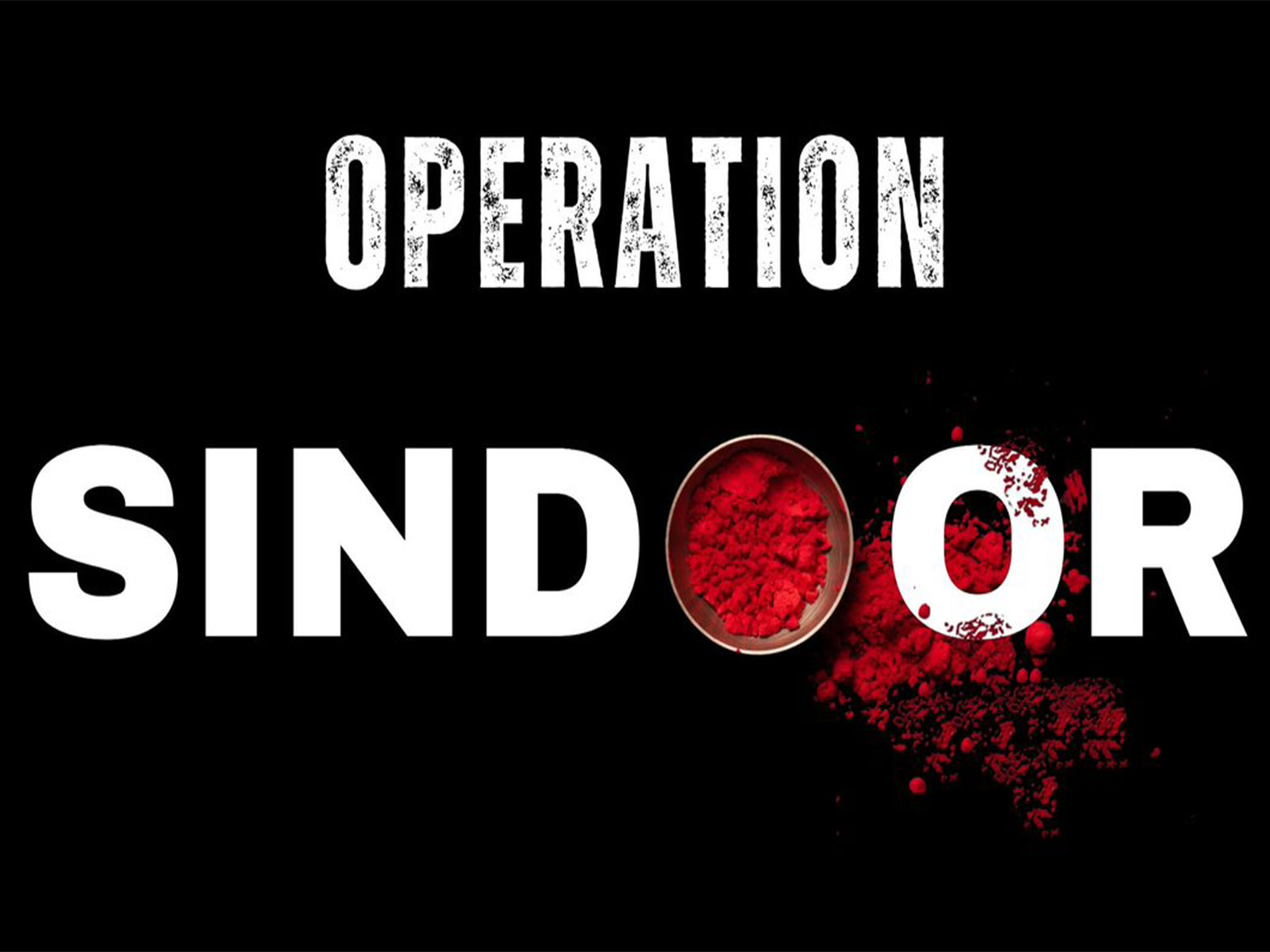
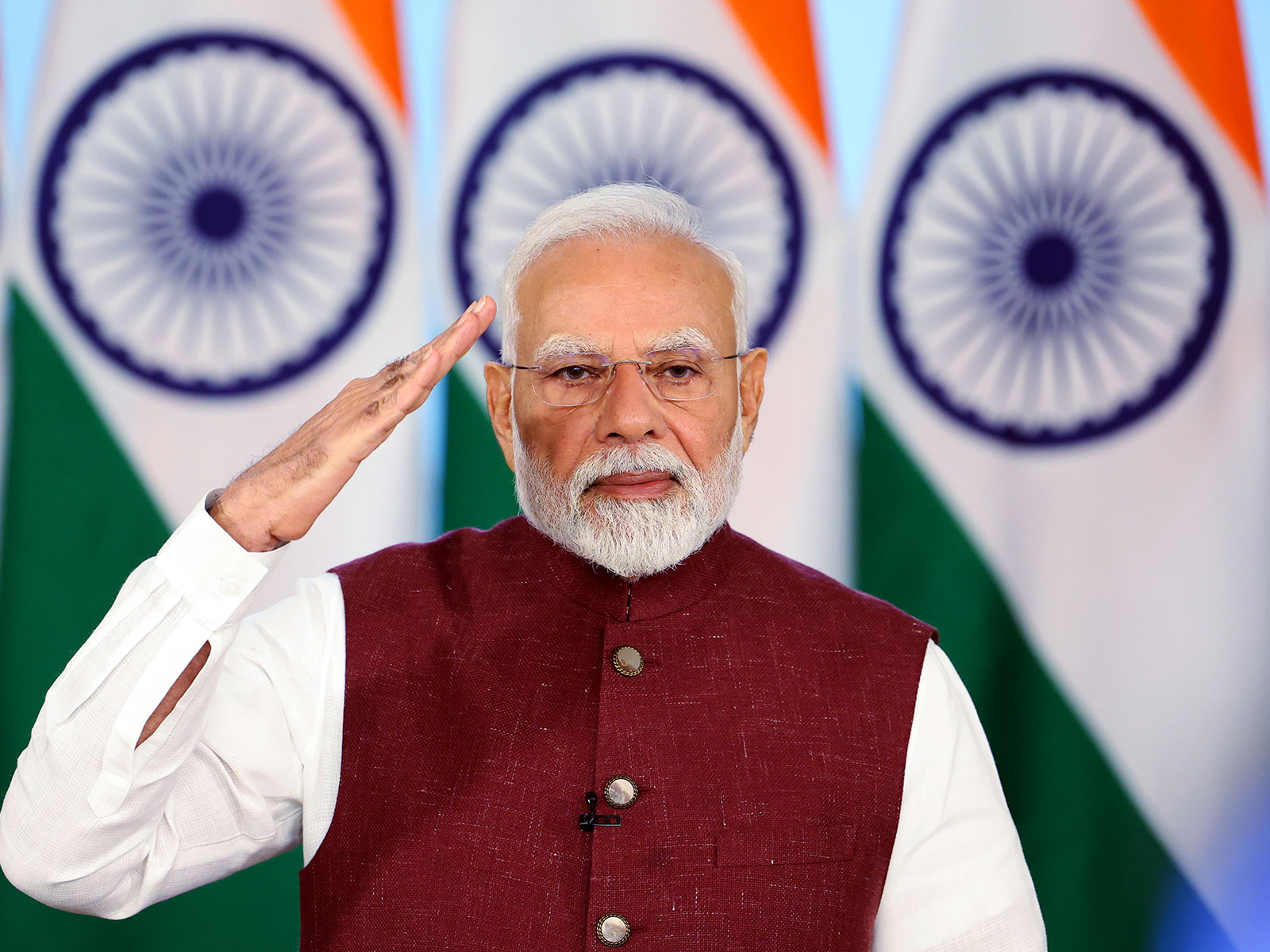
Meanwhile, Prime Minister Modi changed his display picture on X to "Operation Sindoor" as a tribute to the courage and valour of the Indian armed forces on the anniversary of the military operation.
Operation Sindoor, initiated on May 7, 2025, in the aftermath of the Pahalgam terror attack, which claimed the lives of 26 innocent civilians, showcased a calibrated, tri-services response that embodied precision, professionalism, and purpose. Operation Sindoor was conceived as a punitive and targeted campaign to dismantle the terror infrastructure across the Line of Control and deeper inside Pakistan.
Multi-agency intelligence provided confirmation of nine major camps that were eventually targeted in the operation. India's retaliatory action was based on meticulous planning and an intelligence-led approach, which ensured that the operations were conducted with minimal collateral damage. Operational ethics were central to the mission, and restraint was exercised to avoid civilian harm.
In the aftermath of Operation SINDOOR, Pakistan initiated a series of retaliatory drone and UCAV attacks targeting key Indian airbases and logistics infrastructure. These attempts, however, were effectively neutralised by India's comprehensive and multilayered air defence architecture. Central to this success was the Integrated Command and Control Strategy (ICCS), which facilitated real-time threat identification, assessment, and interception across multiple domains.
In every single domain of Operation Sindoor there was operational synergy between the forces and fully supported by the Government, agencies and departments.
The operation unfolded across land, air, and sea--a seamless demonstration of synergy between the Indian Army, Air Force, and Navy. The Indian Air Force (IAF) played a crucial role in delivering precision strikes against terror infrastructure across Pakistan. It conducted high-impact air operations on targets such as the Nur Khan Air Base and the Rahimyar Khan Air Base, with visual evidence of damage presented during official briefings.
The Air Force's robust air defence environment proved pivotal in protecting Indian airspace during retaliatory drone and UAV attacks from across the border. The indigenously developed Akash surface-to-air missile system and legacy platforms like the Pechora and OSA-AK were deployed effectively in a layered defence grid. The IAF's Integrated Air Command and Control System enabled real-time coordination of air assets, allowing Indian forces to neutralise aerial threats efficiently and maintain net-centric operations throughout the conflict.
Simultaneously, the Indian Army demonstrated its preparedness and effectiveness in both defensive and offensive roles. The Army's air defence units worked in tandem with the Air Force, deploying a wide array of systems ranging from shoulder-fired MANPADS and LLAD guns to long-range SAMs. These units were instrumental in countering waves of drones and loitering munitions launched by Pakistan. Despite Pakistan's unrelenting efforts to inflict damage, Indian forces succeeded in ensuring the security of both military and civilian infrastructure.
The Indian Navy played a critical role in asserting maritime dominance during Operation SINDOOR. Operating as a composite networked force, the Navy deployed its Carrier Battle Group (CBG) equipped with MiG-29K fighter jets and airborne early warning helicopters. This ensured persistent surveillance and real-time identification of threats across the maritime domain. The CBG maintained a powerful air defence shield that prevented hostile aerial incursions, especially from the Makran coast.
The Navy's presence created a strong deterrent and effectively bottled-up Pakistani air elements along their western seaboard, denying them any operational space. Naval pilots conducted round-the-clock sorties, further demonstrating India's readiness and strategic reach in the region. The Navy's ability to establish uncontested control over the seas also validated its anti-missile and anti-aircraft defence capabilities in a complex threat environment.
During Operation Sindoor, the Border Security Force (BSF) also played a critical role in thwarting a major infiltration attempt along the International Border in the Samba district of Jammu and Kashmir. BSF troops noticed suspicious movement in the early hours and swiftly responded, leading to a heavy exchange of fire. In the ensuing encounter, the BSF successfully neutralised at least two infiltrators and recovered arms, ammunition, and other war-like stores.
The operation underscored the BSF's vigilance, operational preparedness, and its crucial role in maintaining border security during heightened tensions. Operation Sindoor was thus not just a tactical success but a strategic statement.