India's retail inflation may average 5.1% in FY27; Crisil sees possibility of 25 bps RBI rate hike
Jul 14, 2026
New Delhi [India], July 14 : India's retail inflation is expected to strengthen through the remainder of the current fiscal, driven by elevated fuel costs, higher input prices, a weaker rupee and weather-related risks to food prices, prompting the Reserve Bank of India (RBI) to closely monitor inflation before taking further policy action, according to a report by Crisil Ratings.
The report projects Consumer Price Index (CPI)-based inflation to average 5.1 per cent in FY27, sharply higher than 2.0 per cent in the previous fiscal, and sees the possibility of a 25 basis points rate hike in the second half of the fiscal year if inflationary pressures persist.
India's retail inflation rose to 4.4 per cent in June from 3.9 per cent in May, crossing the RBI's 4 per cent mark for the first time since January 2025. The rise was led by both food and non-food components, with food inflation increasing to 5.3 per cent from 4.8 per cent, while fuel-related inflation accelerated sharply.
According to the report, June was the first month to fully reflect the impact of the cumulative Rs 7.5 per litre increase in petrol and diesel prices announced in mid-May. Fuel-related inflation climbed to 4.5 per cent from 1.9 per cent in May, with inflation in personal transport fuels surging to 7.6 per cent from 3.1 per cent. Inflation in LPG and piped natural gas also doubled to 4.6 per cent, following higher domestic cooking gas prices.
Crisil said crude oil prices, although below their recent highs, are expected to remain elevated this fiscal year at an average of USD 82-87 per barrel, while a weaker rupee is increasing imported inflation. It added that producers are gradually passing on higher energy, transportation and input costs to consumers, which is likely to push up core inflation over time.
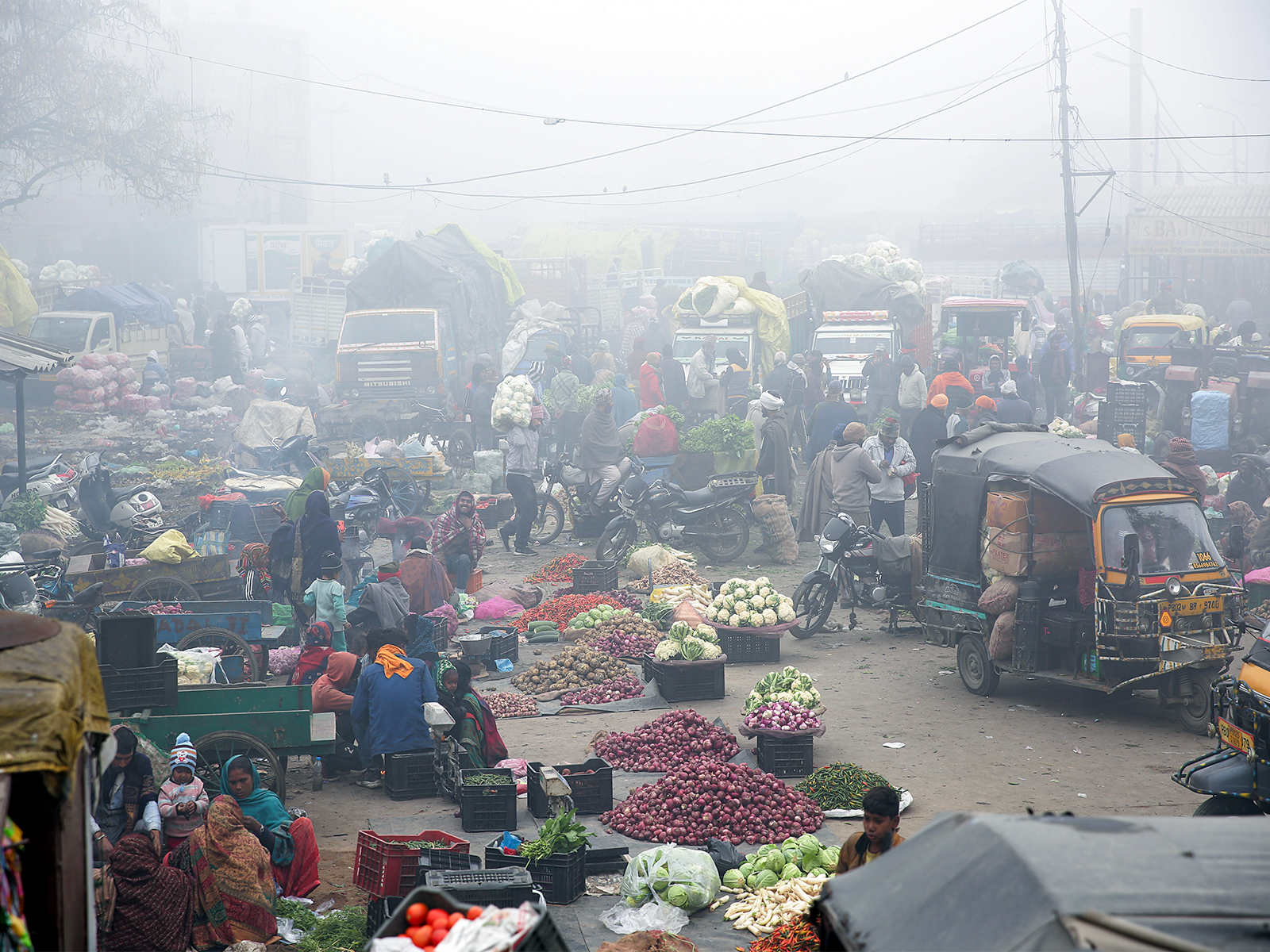
The report also warned that below-normal rainfall under El Nino conditions could weigh on agricultural output and keep food inflation under pressure, although timely government intervention could help moderate price spikes.
Within food items, inflation remained elevated in meat, milk, fish, fruits, edible oils and ready-made food products, while onion prices returned to inflationary territory. At the same time, inflation in tomatoes eased and potato deflation narrowed. Core inflation remained broadly stable at 3.9 per cent, indicating that the pass-through of higher costs to consumers is continuing at a gradual pace, the report added.