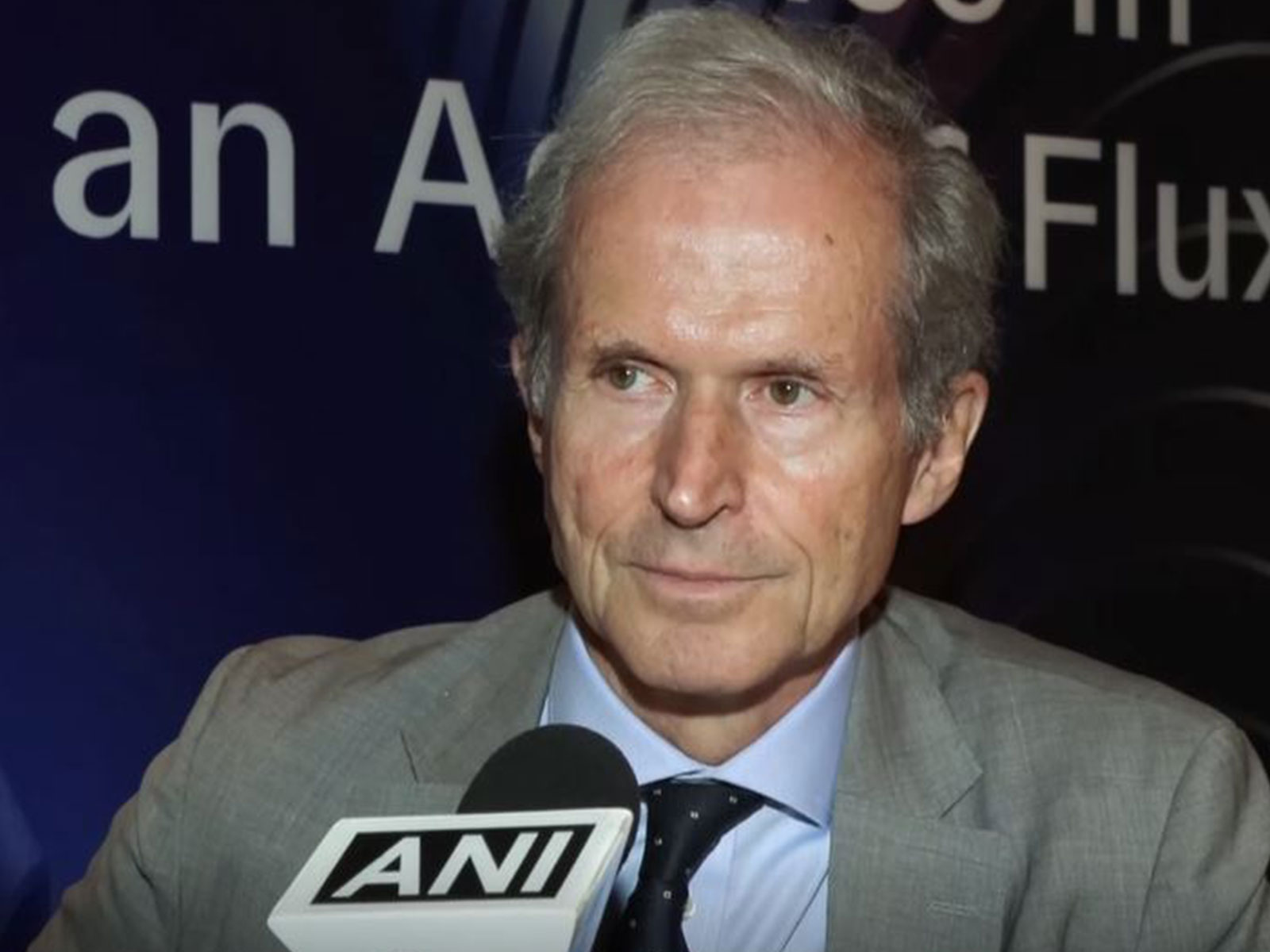
India's strong growth fundamentals face risks from prolonged external shocks: Erik Berglöf
Oct 04, 2026
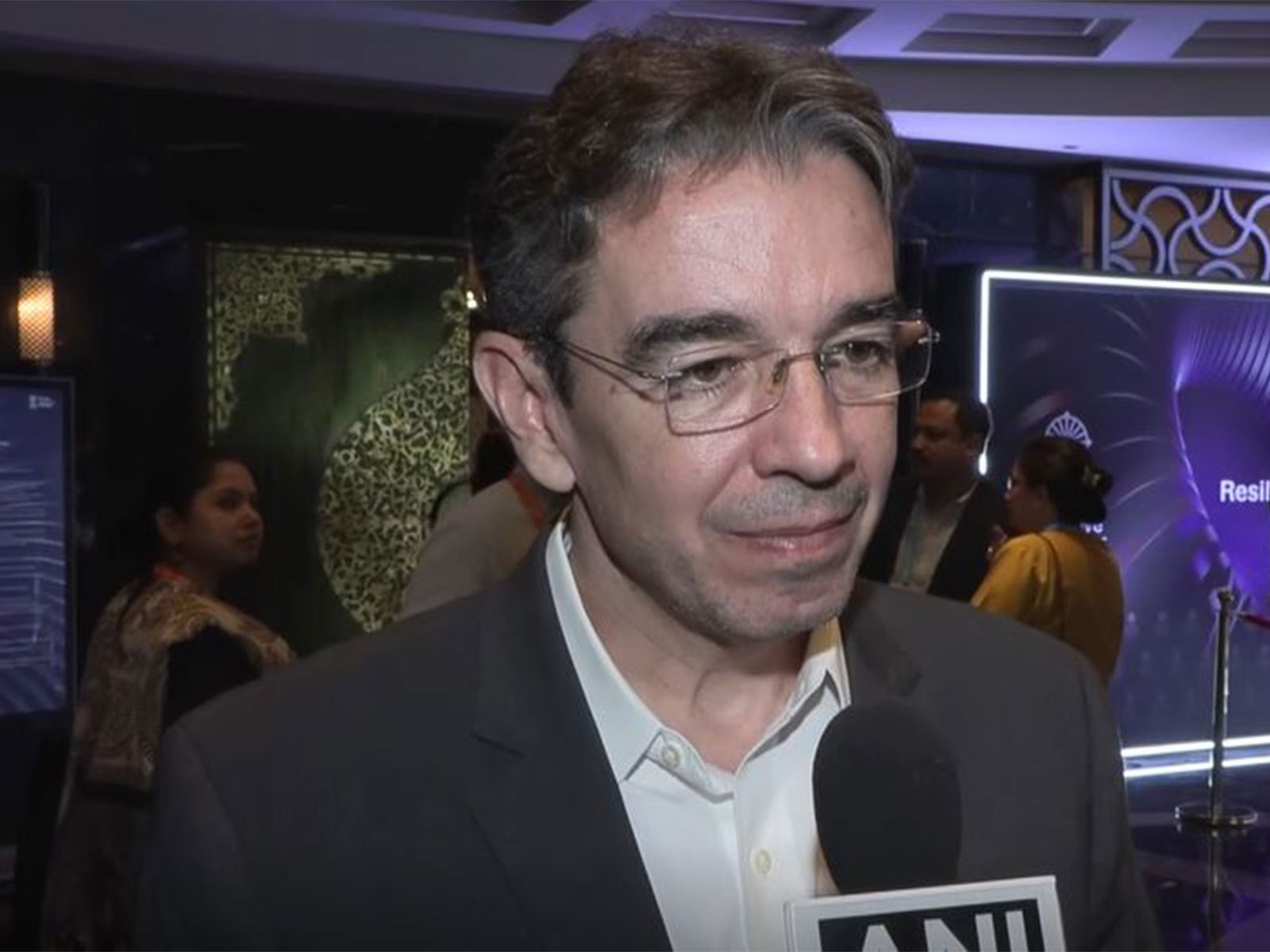
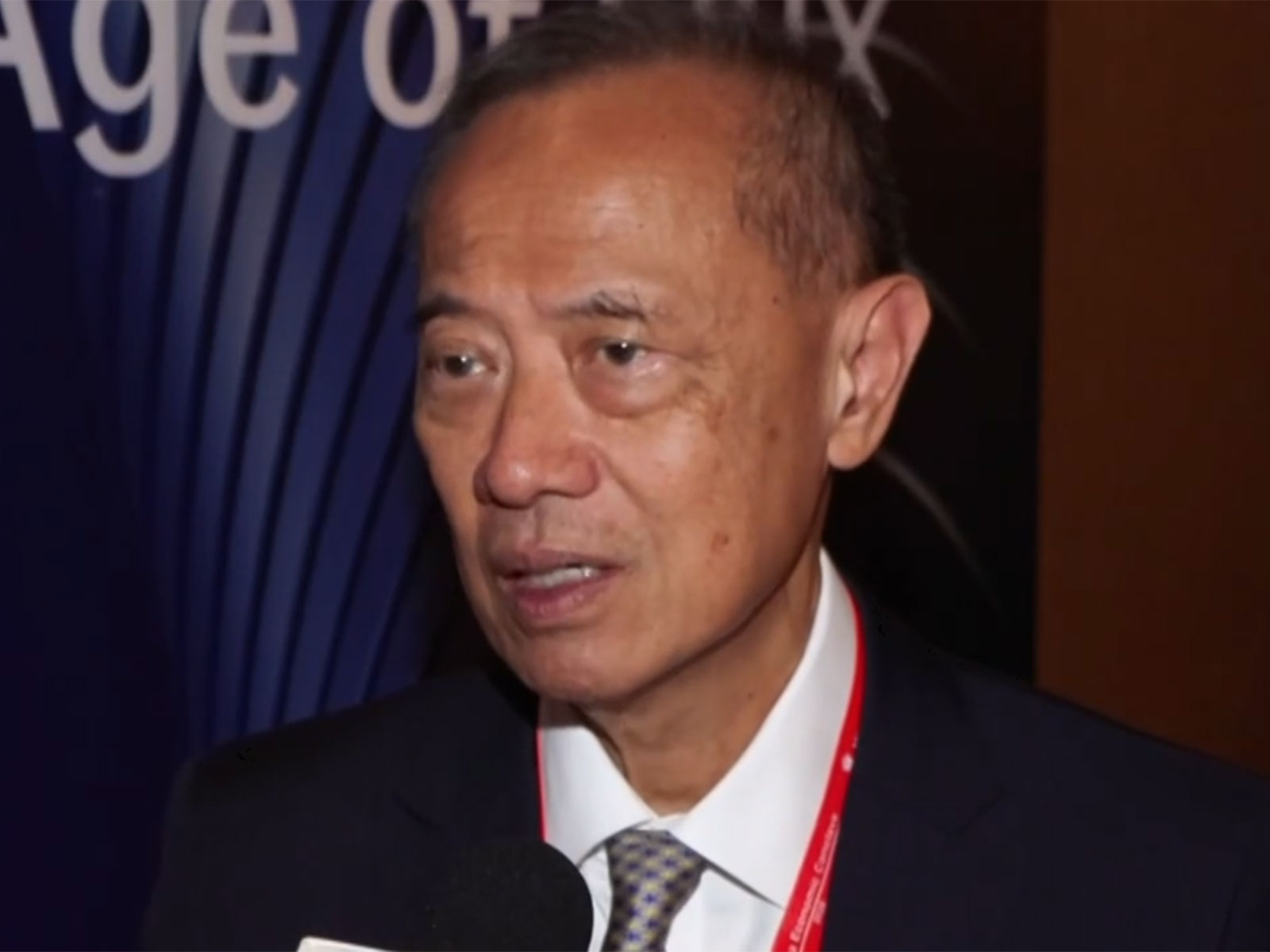
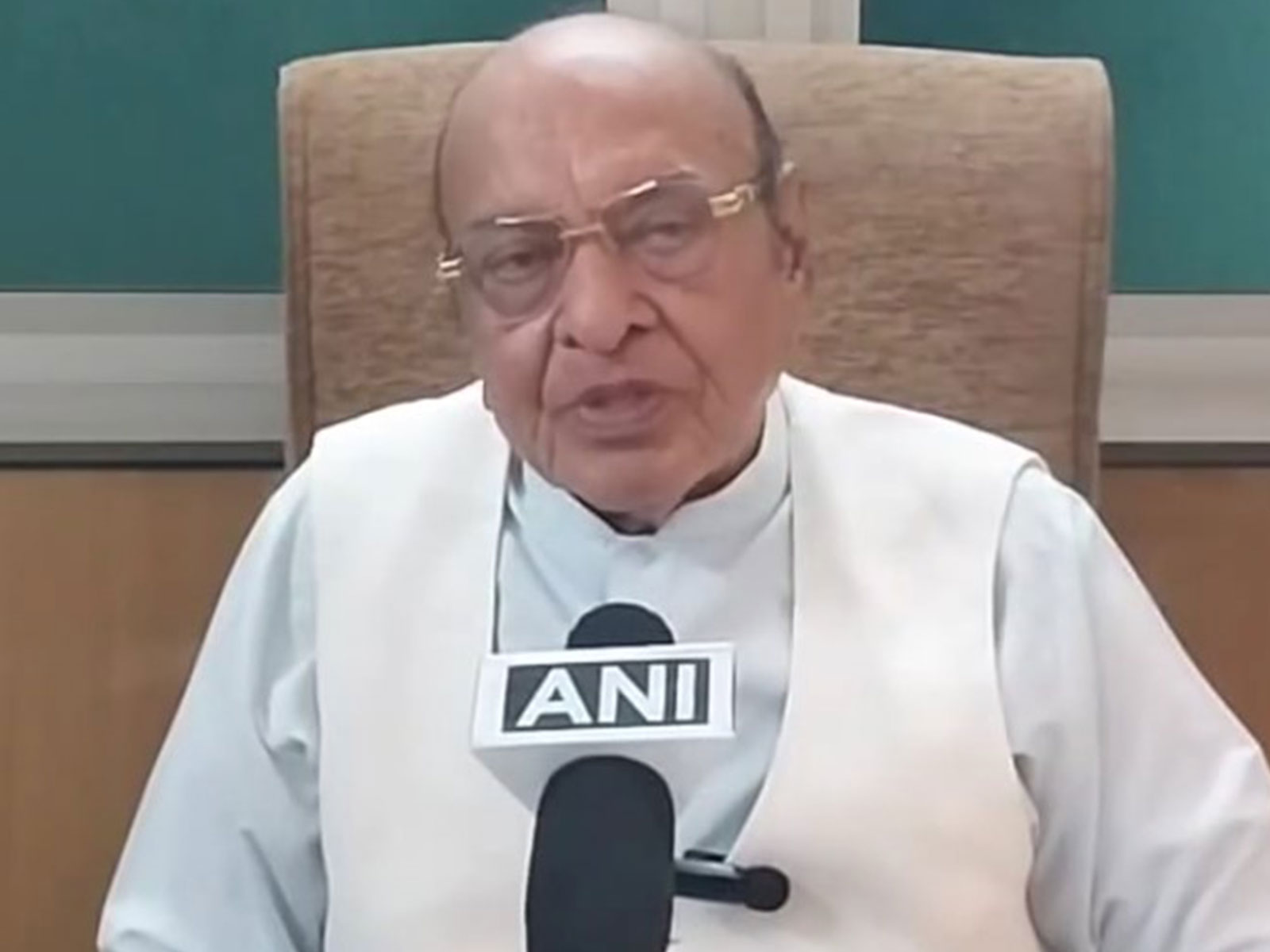
New Delhi [India], October 4 : India's strong growth fundamentals remain intact, but prolonged external shocks and global uncertainty could create significant risks for the economy, Erik Berglöf, Center Director, House of Governance and Public Policy, Stockholm School of Economics, said.
Speaking to ANI on the sidelines of the Kautilya Economic Conclave, Berglöf said India had "very strong growth prospects", but uncertainty globally, particularly in the Gulf, had created stresses for the economy.
"The fundamentals in the economy support high growth. The problem is these external disruptions and that creates significant issues," Berglöf said.
He said the prolonged nature of the latest geopolitical shock could affect India, while government measures to protect households from its impact could also weaken incentives to reduce fossil fuel dependence and accelerate the transition towards cleaner energy.
"The real conclusion from this shock is that we need to build resilience and the way to build resilience is to invest in a much more decentralised and renewable-based energy system," Berglöf said.
On US tariffs, he said India had been disproportionately affected, while stressing that the uncertainty and arbitrary nature of tariff measures were as concerning as the tariffs themselves.
He said India needed to strengthen resilience against climate shocks, geopolitical risks and other external disruptions.
Berglöf also cautioned about rising US bond yields and their impact on emerging and developing economies, saying higher interest costs could prove particularly damaging amid elevated debt levels and a large wall of repayments expected over the next five years.
However, he said India was better placed than many other emerging economies because it had built significant buffers and had lower debt levels than some vulnerable countries.
"Luckily, India is not in that situation, and I think that's due to sound fiscal policies," he said.
On India's fiscal position, Berglöf said a deficit would not be a major concern if the conflict in the Middle East was resolved, but prolonged uncertainty requiring higher deficits over several years could become damaging.
He also highlighted energy and water security as areas requiring greater resilience. India, he said, faced a significant water challenge and needed domestic reforms, including around the pricing and management of water.
"Again, the growth fundamentals I think are very strong in India," Berglöf said, while stressing that addressing external and domestic vulnerabilities would be critical to sustaining growth.