India’s women-led development story takes centre stage at UN Human Rights Council
Sep 18, 2026
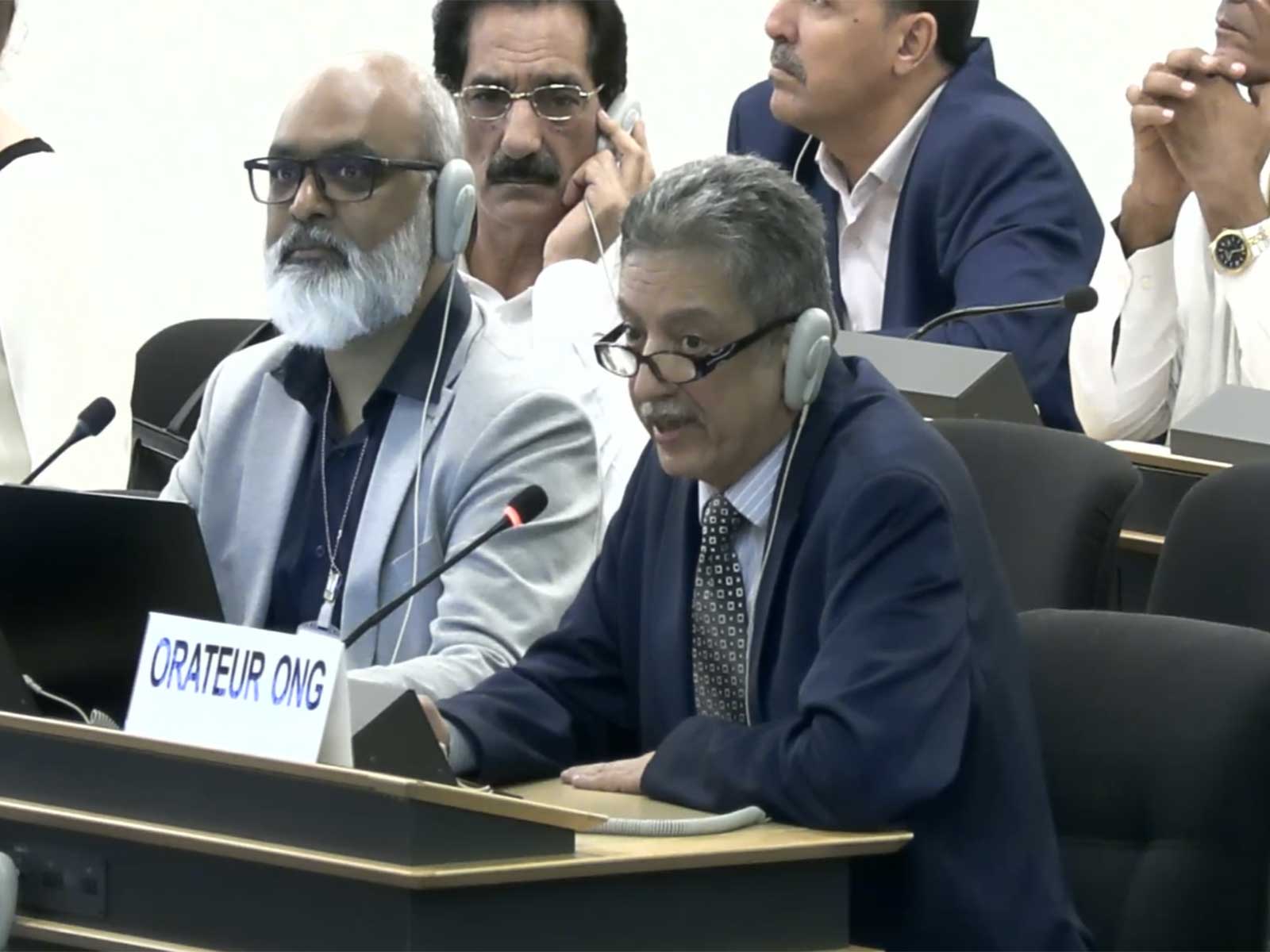
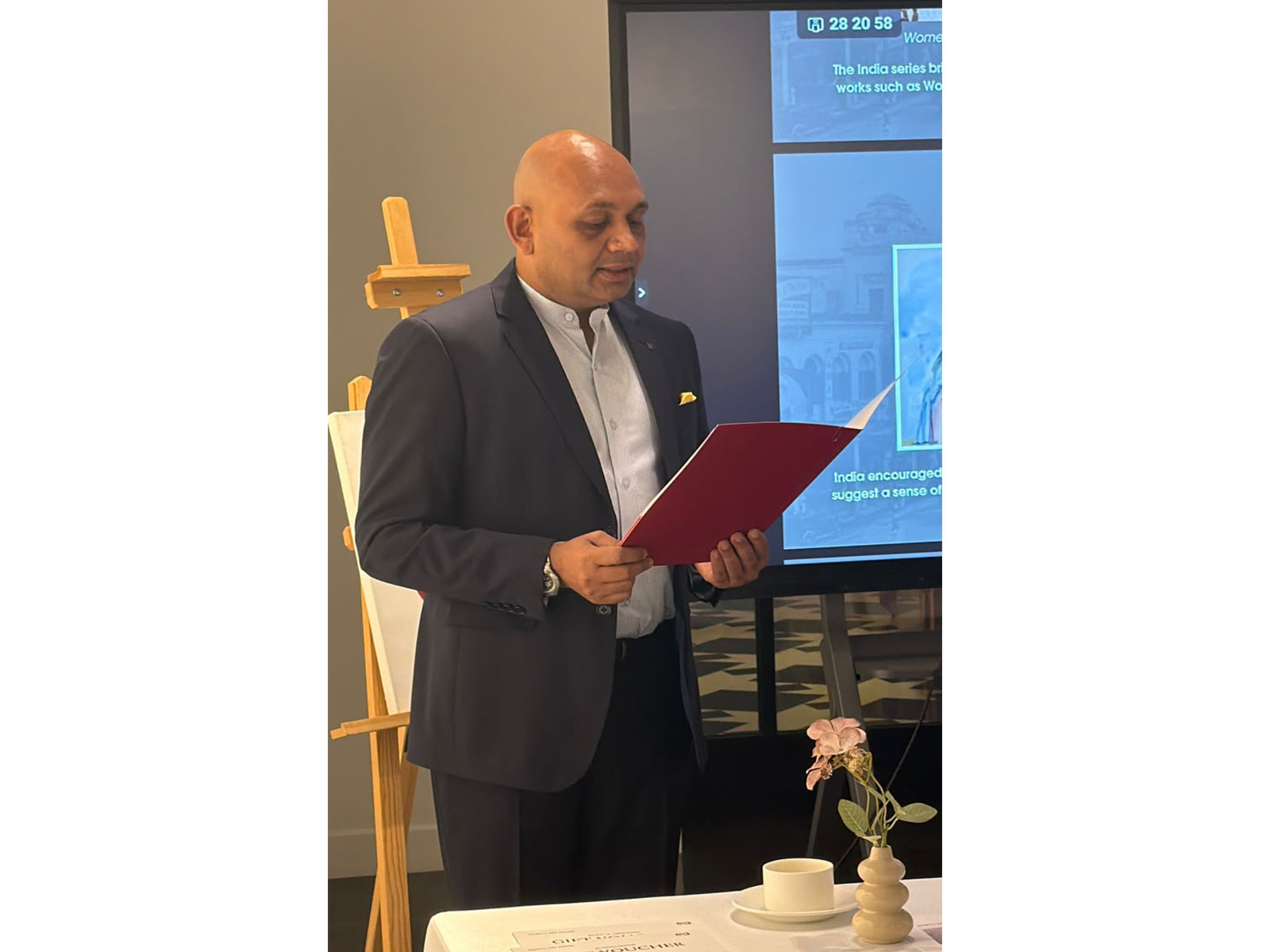
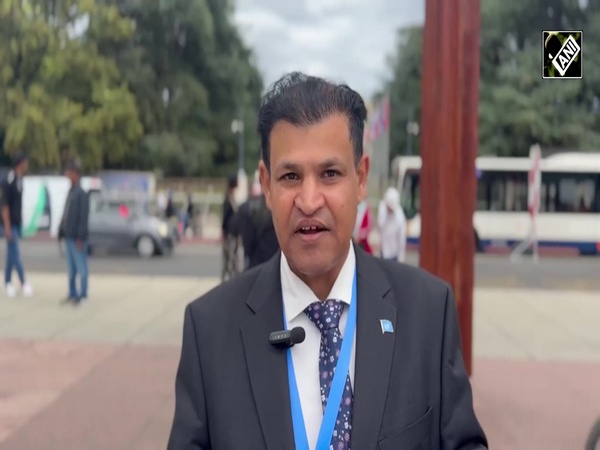
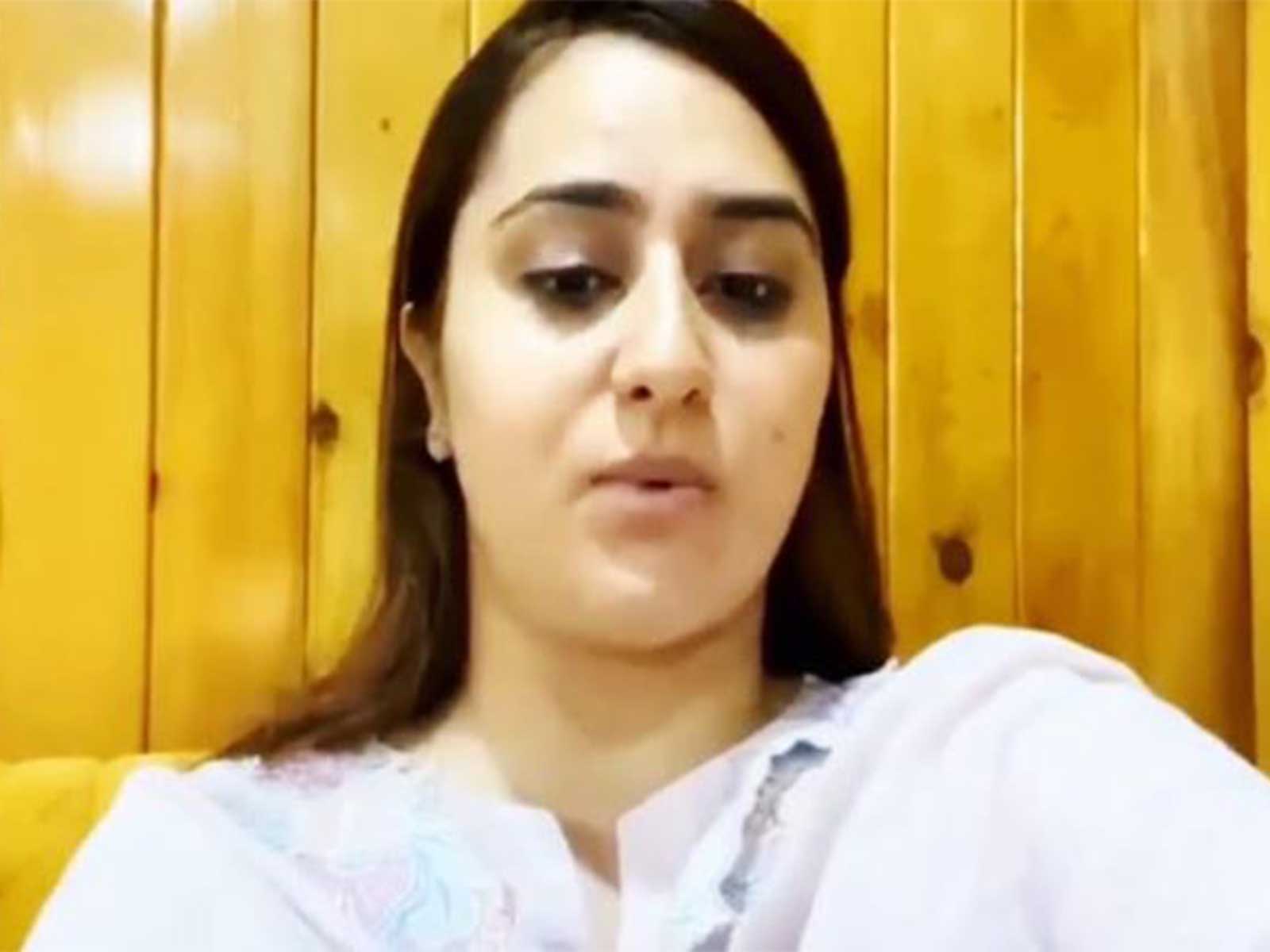
Geneva [Switzerland], September 18 : India’s approach to women- and child-centred development came into focus at the 63rd session of the United Nations Human Rights Council, as RSKS India Representative Urooj Manzoor highlighted the country’s programmes aimed at strengthening nutrition, maternal support, women’s economic participation and child protection.
Addressing the General Debate under Agenda Item 3, Manzoor said meaningful national development depends on ensuring that women and children have access to dignity, security, opportunity and essential services.
A key focus of her intervention was India’s extensive Anganwadi network. More than 14 lakh Anganwadi Centres are currently delivering nutrition, health and early-childhood services to over 7.5 crore children, 1.10 crore pregnant and lactating women and nearly 16 lakh adolescent girls.
The government’s Poshan Tracker provides digital monitoring of Anganwadi services and beneficiaries.
India’s maternal support programmes were also highlighted. Under the Pradhan Mantri Matru Vandana Yojana, 4.37 crore beneficiaries had received payments totalling ₹20,571 crore as of July 31, 2026. The scheme provides maternity benefits through direct transfers to eligible women.
The intervention also pointed to the wider support framework under Mission Shakti, including One Stop Centres, Women Helplines, Shakti Sadan, Sakhi Niwas and Palna. Government data shows that around 1.11 crore women had been assisted through One Stop Centres and Women Helplines by January 2026.
Women’s economic participation formed another important part of the intervention. Manzoor highlighted the expansion of Self-Help Groups and women-led entrepreneurship as part of India’s broader development strategy, linking financial inclusion and enterprise with greater economic participation by women.
The discussion also covered initiatives such as Beti Bachao Beti Padhao and Mission Vatsalya, which focus on the protection, education and development of girls and children.
“True national development is driven by the architects of our future — women and children,” Manzoor told the Council, stressing that nutrition, safety, financial inclusion and economic opportunity need to advance together.
She called for greater cooperation among governments, civil society, development partners and international institutions to accelerate measurable action for women and children.
“The task before us is clear: invest in women, protect every child, strengthen inclusive institutions and ensure that development reaches those who need it most,” she said, calling for coordinated and sustained action.
India’s presentation at the Council placed its women- and child-focused programmes within a wider development framework, highlighting the country’s efforts to combine social protection, nutrition, digital governance, economic participation and child welfare as part of its development agenda.