Iran FM Araghchi says Hormuz reopening hinges on "other conditions", compensation for US "violation"
Aug 08, 2026
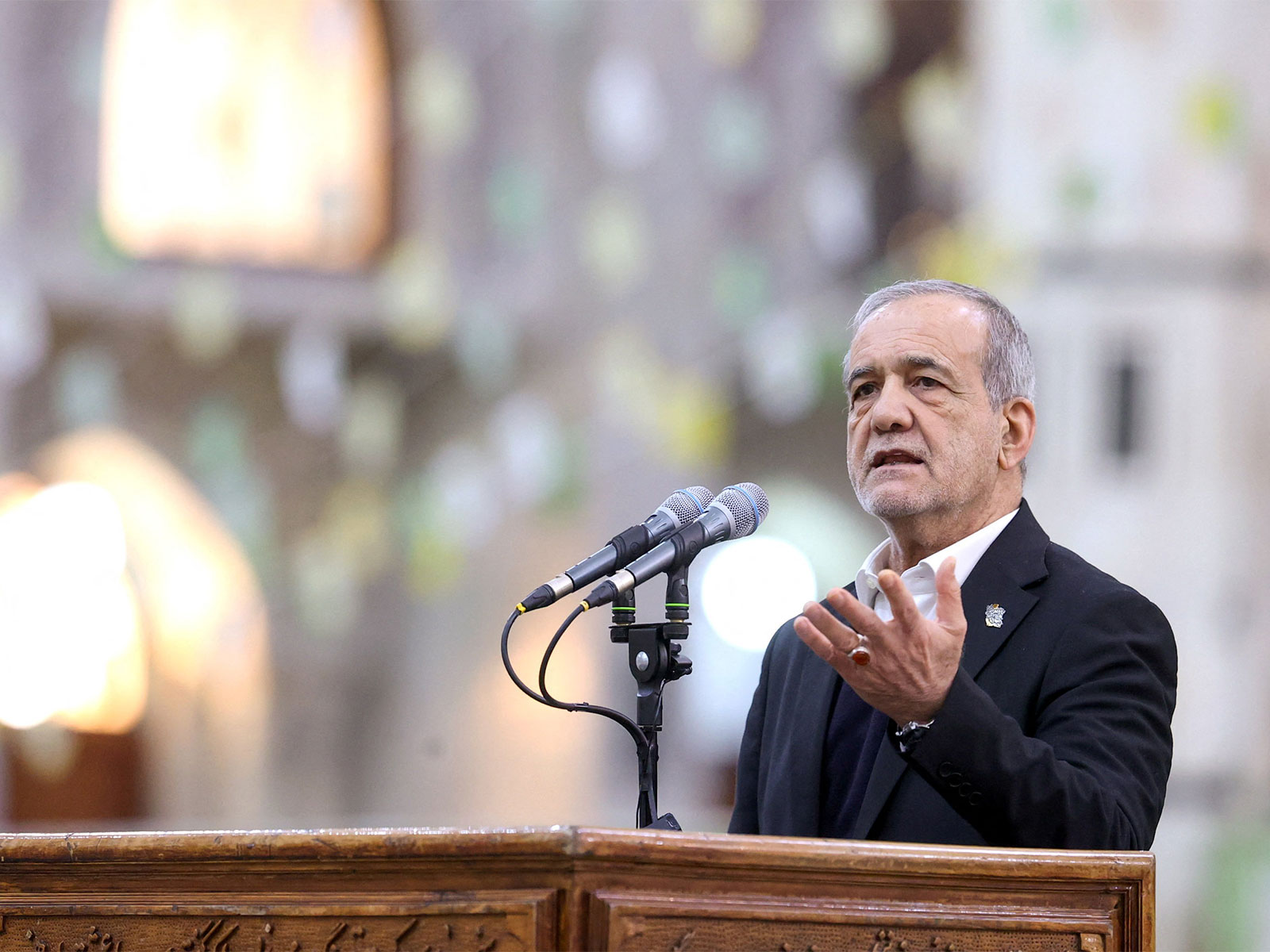
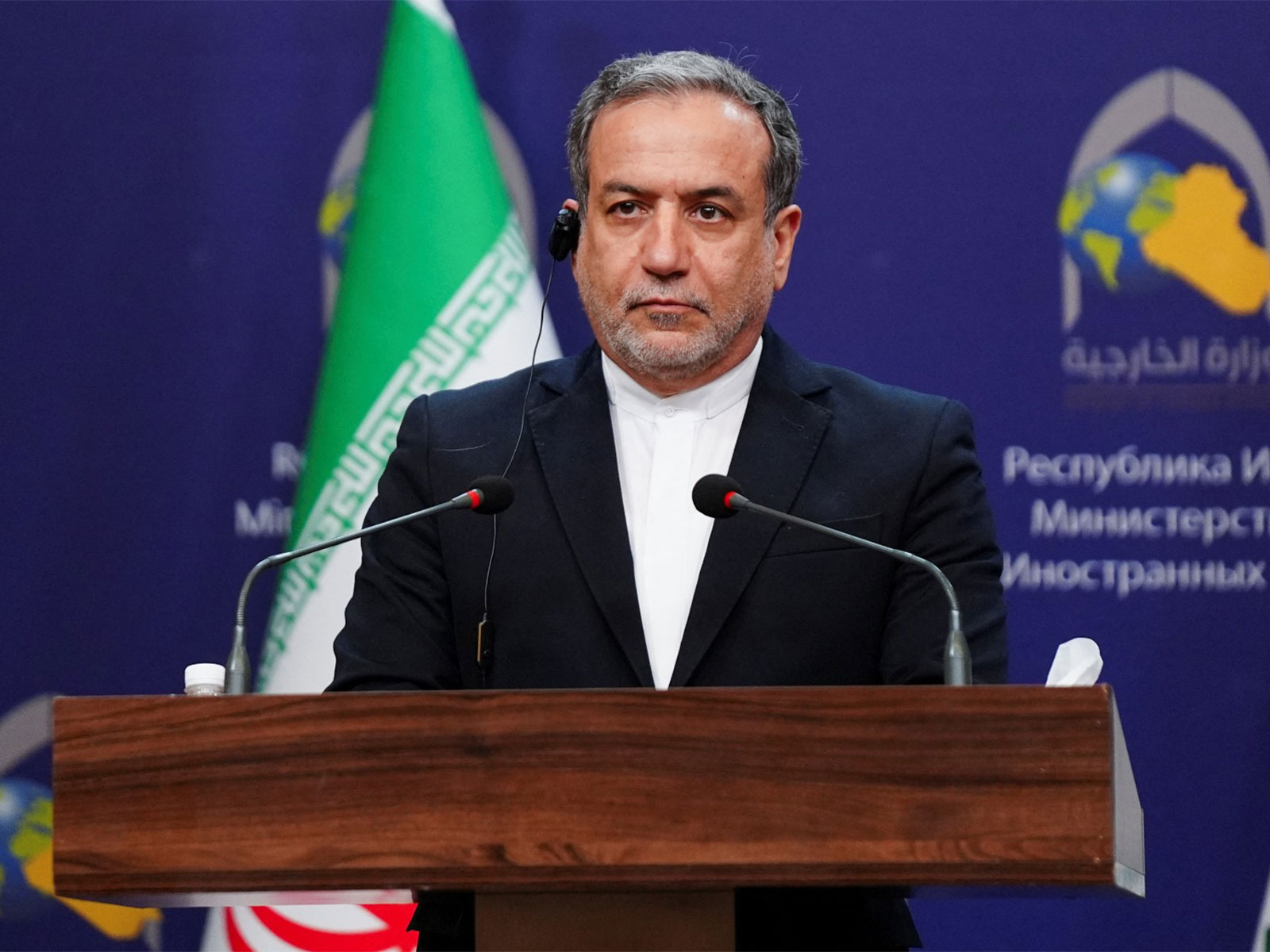
Tehran [Iran], August 8 : Iranian Foreign Minister Araghchi on Saturday said that an with Oman on regulating traffic through the Strait of Hormuz does not amount to reopening the strategic waterway, as Tehran and Muscat continue negotiations on a temporary shipping route, as reported by news agencies IRIB and Al Jazeera.
According to the IRIB news agency, Araghchi said that the talks were ongoing and that a provisional route was being worked out due to the technical complexities involved. He said that the sides were "very close to the final result" but stressed that reopening the strait remained subject to additional conditions.
"This action does not indicate the reopening of the Strait of Hormuz," Araghchi said, adding that the reopening would depend on "other conditions and compensation for the violation of the memorandum of understanding by the United States," according to IRIB.
According to Al Jazeera, Araghchi said that Tehran had been implementing Clause 5 of the 14-point Memorandum of Understanding (MoU) previously reached in Islamabad, under which traffic was expected to return to normal within a month.
He said traffic had reached "60 per cent of normal conditions within two weeks" before the United States allegedly sought to establish new routes through the Strait of Hormuz, despite warnings from Tehran.
Araghchi said that the current negotiations were focused on establishing a temporary shipping route that could eventually serve as the basis for a permanent arrangement.
"Before reaching a new route, a temporary route will be considered as the basis for the main route," he said, adding that discussions had taken place between the military and naval forces of the countries involved.
The statement comes as a US official stated on Friday (local time) that progress has been made in talks between Iran and Oman, which could lead to the reopening of the strategic Strait of Hormuz and restore oil exports disrupted by the five-month-old conflict.
Reuters, citing the US official speaking on the condition of anonymity, noted that Washington expects an agreement shortly between Iran and Oman, the two nations bordering the waterway, allowing standard commercial oil shipments to resume. Securing a deal over control of the strategic passage is considered a key stepping stone toward a broader peace agreement.
"There is progress between Oman and Iran on the strait, and we expect a deal soon. Once the deal is announced to restore commercial shipping without impediments, the United States will lift the blockade of Iranian ports," Reuters reported the official as saying.
The official emphasised that future steps would depend on Iran fulfilling its obligations, stating, "As always, US actions will continue to be performance-based and tied to Iran's implementation of its commitments."
On the other hand, US President Donald Trump on Thursday (local time) expressed confidence that the conflict involving Iran would end "pretty soon," saying that he believes the Islamic Republic "can't go much longer". He also voiced optimism over ongoing negotiations related to the Strait of Hormuz, while reaffirming the commitment to prevent Iran from posessing a nuclear weapon.
Speaking to reporters at the Oval Office, Trump expressed optimism about negotiations concerning the Strait of Hormuz, one of the world's most critical maritime trade routes for oil shipments.
On a possible agreement between the US and Iran, Trump said, "I don't want to say it has been... it's sort of open right now. We have a thing called the blockade headed up by the US Navy, and we control it. But they can always shoot something or drop a mine... if you have one mine sitting out there, you sort of mess things up because people don't want to take their billion-dollar boats and accidentally get hit by a mine. But I think we're doing very well. I am involved in the negotiations. I think we are doing fine... it could be soon."