Iran rejects US claims of developing biological, chemical weapons; recalls Iraq WMD controversy
Nov 19, 2026
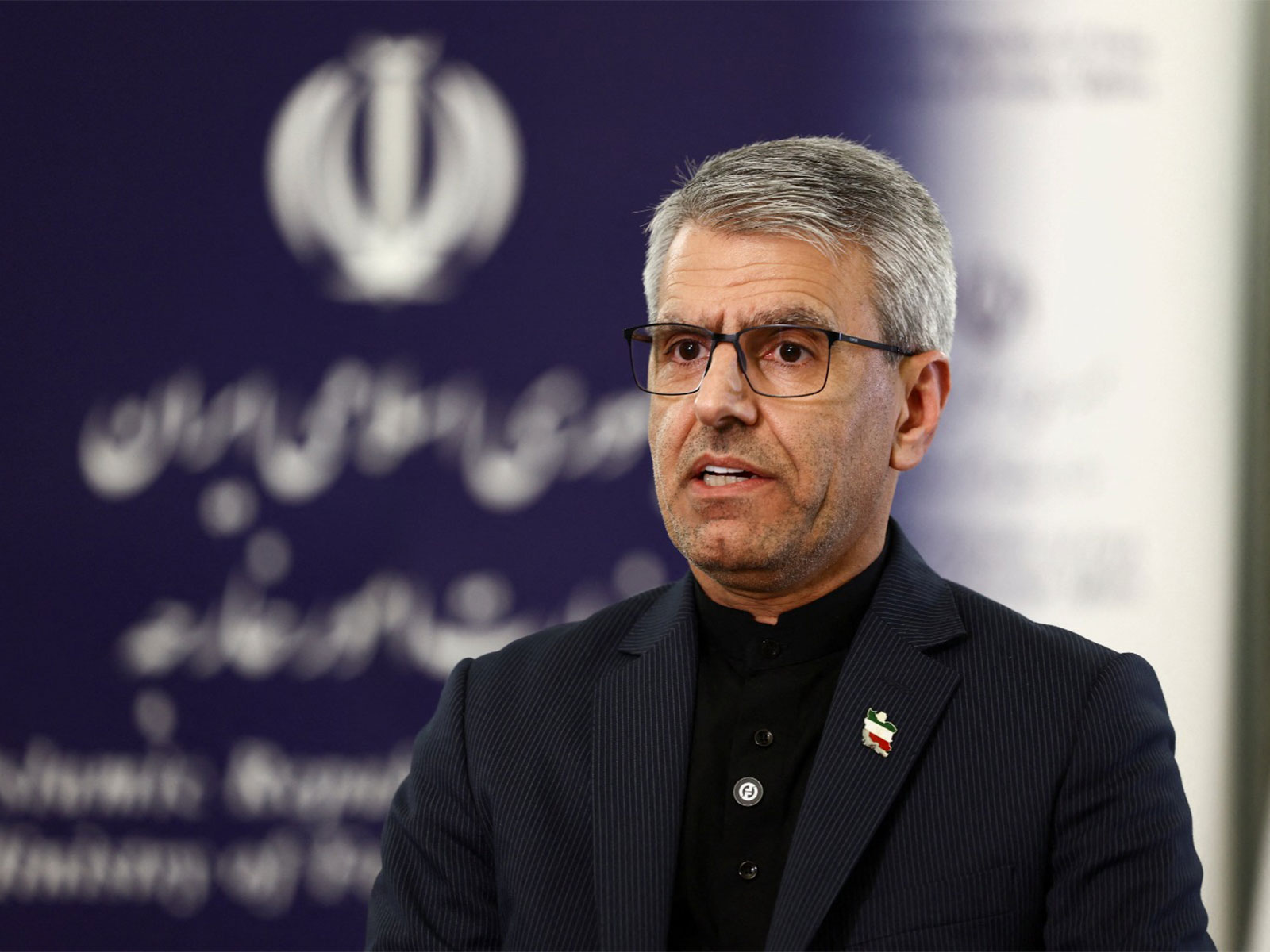
Tehran [Iran], November 20 : Iran's Foreign Ministry spokesperson Esmail Baghaei on Thursday (local time) strongly rejected US claims suggesting that Tehran is developing biological or chemical weapons, accusing Washington of repeating the pattern of unsubstantiated allegations that preceded the 2003 invasion of Iraq.
In a post on X, Baghaei said that US allegations against Iran kept changing, but the underlying narrative remained familiar, drawing parallels with the intelligence claims made by American officials about Iraq's alleged weapons of mass destruction (WMDs) ahead of the US-led invasion in 2003.
"After the grand narrative of the 'Iranian nuclear threat,' U.S. officials are now claiming that there are indications Iran is developing biological or chemical weapons!" Baghaei said.
"The allegations keep changing, but the underlying narrative remains disturbingly familiar. Once again, the world is apparently expected to suffer a bout of collective amnesia - much like Dory, the forgetful fish from Finding Nemo," he added.
https://x.com/IRIMFA_SPOX/status/2123499152076398919
Questioning whether American officials expected the international community to forget the events leading up to the Iraq war, Baghaei referred to former US Secretary of State Colin Powell's presentation before the United Nations Security Council in 2003.
"Do American officials really expect the world to forget Colin Powell's infamous appearance before the UN Security Council in 2003, when he held up a small vial as a visual representation of the alleged threat posed by Iraq's weapons of mass destruction?" he said.
Baghaei described the episode as an enduring symbol of what he termed one of the most consequential intelligence failures and political deceptions in modern history.
He further alleged that unsubstantiated intelligence claims about Iraq possessing weapons of mass destruction were deliberately used to generate public support for military intervention.
"Unsubstantiated intelligence claims about Iraq's possession of WMDs were deliberately weaponised to manufacture public support and pave the way for a military invasion. The consequences were catastrophic - not only for the Iraqi people, but for the wider region and, ultimately, for American society itself," Baghaei said.
Drawing a parallel between the Iraq war controversy and the latest allegations against Iran, the spokesperson said the new claims appeared to follow what he described as the same fraudulent pattern. "And now we find ourselves facing ominous new allegations and a narrative that appears to be following the same fraudulent script," he said.
Questioning whether the international community had learnt from the events of 2003, Baghaei urged the world to reflect on the consequences of the Iraq war and cautioned against allowing similar allegations to shape public opinion again.
"The question is: has the world learned anything from the disastrous lessons of 2003, or are we about to let them deceive the public on a grand scale all over again?" he said.
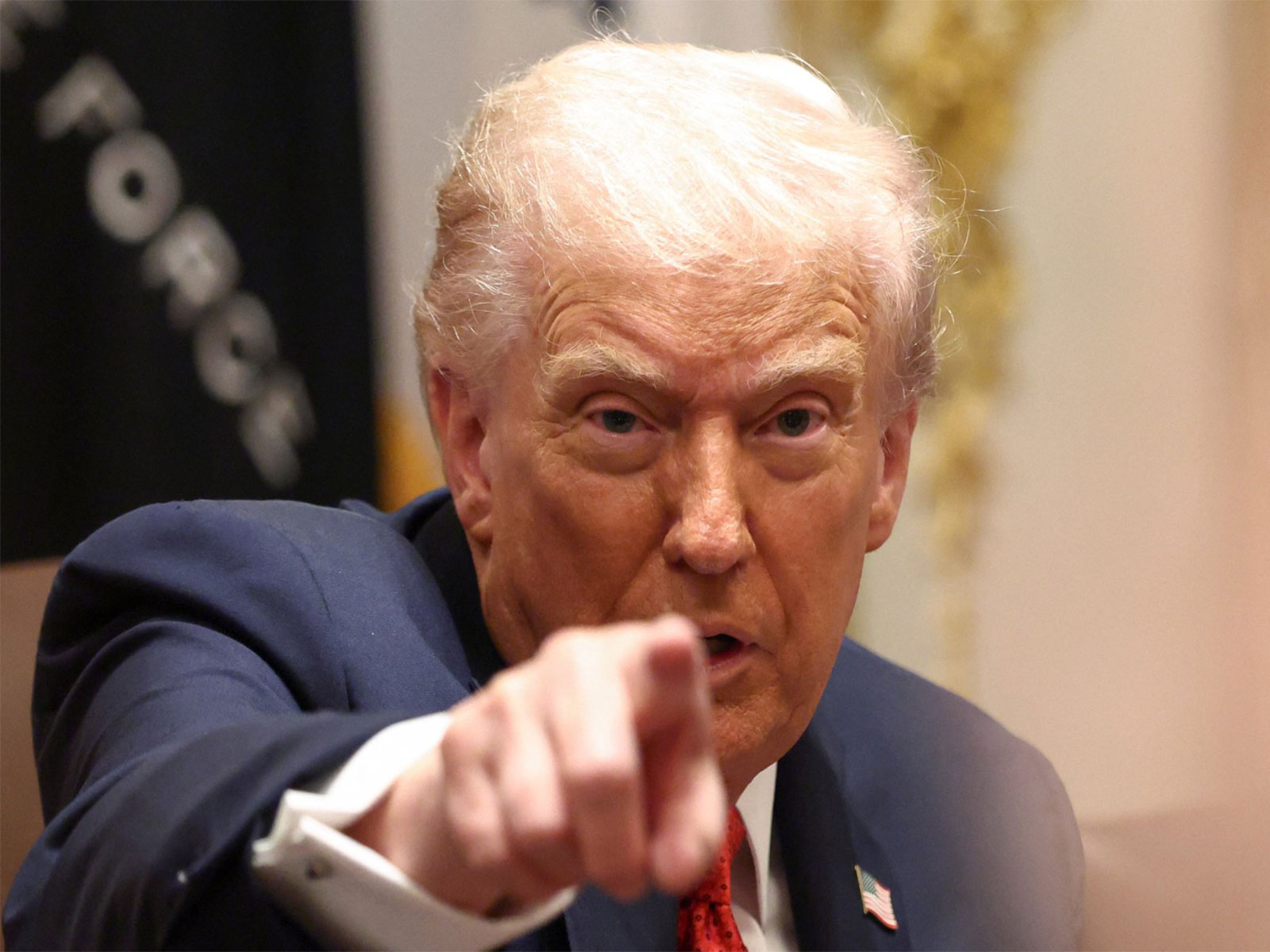
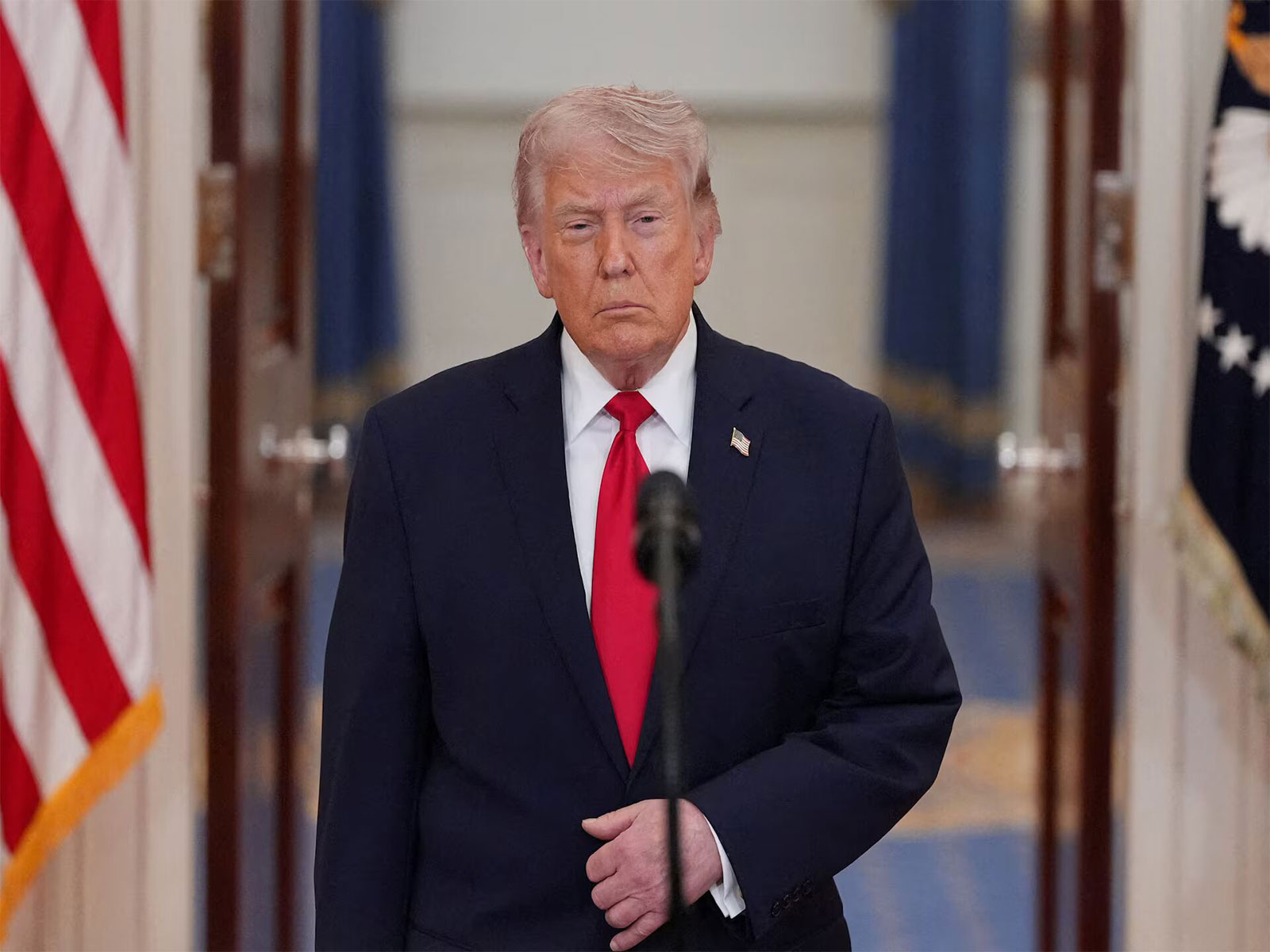
Meanwhile, Trump has indicated that he is "not rushing" into any decision on Iran, saying that developments would be assessed after the beginning of the new year.
"We will see what happens after the beginning of the year," Trump told US media outlet Axios during a brief phone call from Air Force One while returning from China, Al Jazeera reported.
The US President also said that he had discussed the war on Iran with Chinese President Xi Jinping and Russian President Vladimir Putin during their trilateral meeting on the sidelines of the Asia-Pacific Economic Cooperation (APEC) summit.
"They'd like it to end … and they're letting Iran know that," Trump told NBC, referring to his discussions with the Chinese and Russian leaders. However, Trump said that the meeting had focused "primarily on Ukraine".Earlier, Trump told Fox News that the United States did not need assistance from China or Russia to end the war on Iran.
Meanwhile, the conflicts in West Asia and Ukraine have been the centrepiece of the trilateral discussions between US President Donald Trump, Chinese President Xi Jinping and Russian President Vladimir Putin.