Iran says two-day plan remains on table, links Hormuz security to US meeting its demands
Nov 09, 2026
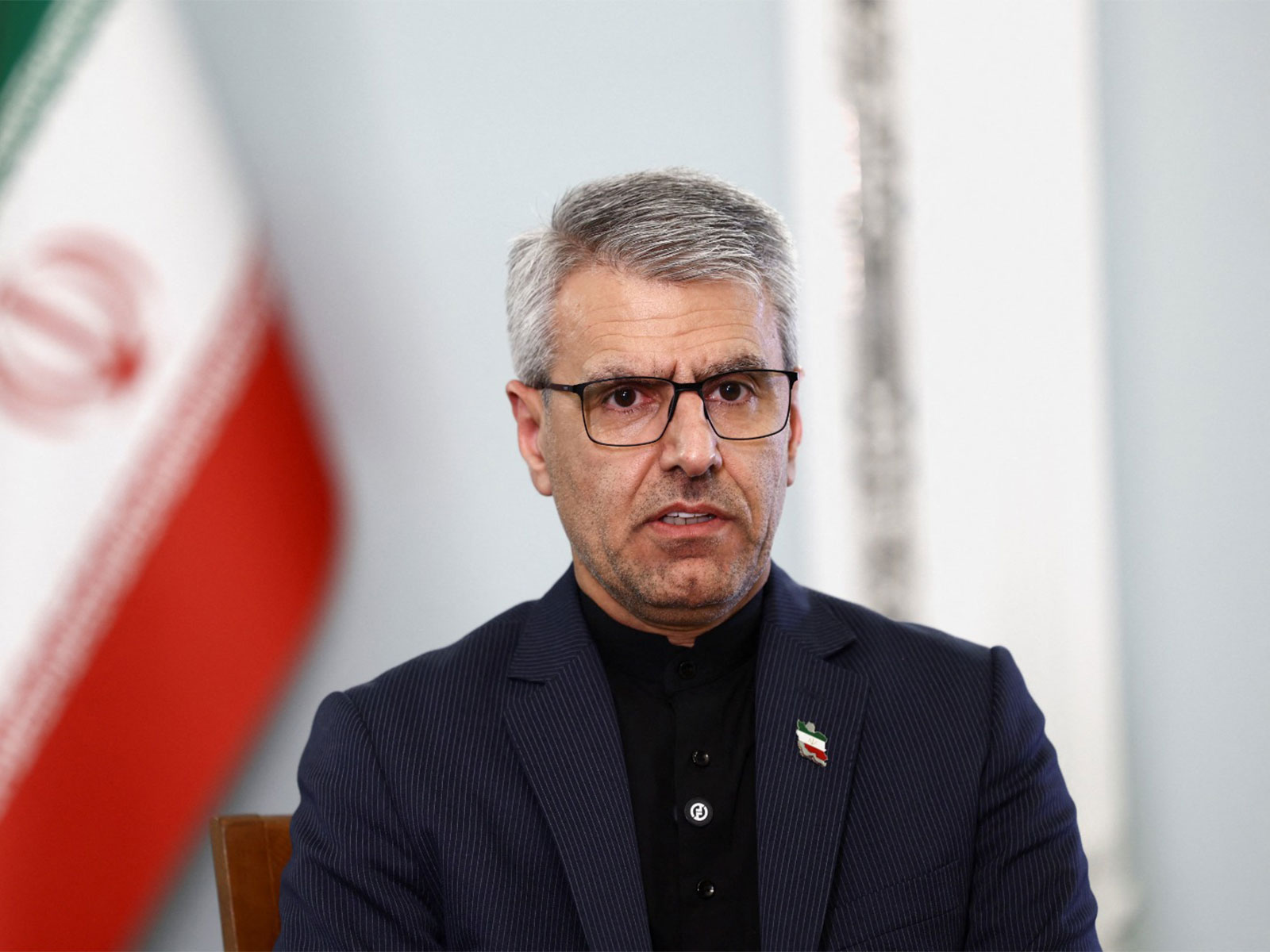
Tehran [Iran], November 9 : Iran's Foreign Ministry Spokesperson Esmail Baghaei on Monday said Tehran's two-day proposal to resolve the ongoing crisis remains on the table, asserting that security in the strategically important Strait of Hormuz could be restored within 48 hours if the United States meets Iran's demands.
According to Iranian news agency ISNA, Baghaei, speaking at a weekly press conference, described the proposal as the "most reasonable possible plan" and indicated that positive developments in the region could follow if Washington responds to Tehran's conditions.
"Iran's two-day plan is the most reasonable possible plan and remains on the table; if the United States meets Iran's demands, the region will see positive developments within two days, and security will return to the Strait of Hormuz," Baghaei said, according to IRNA.
“The Americans must make a genuine decision, if they have properly understood the message of their own people,” he added,
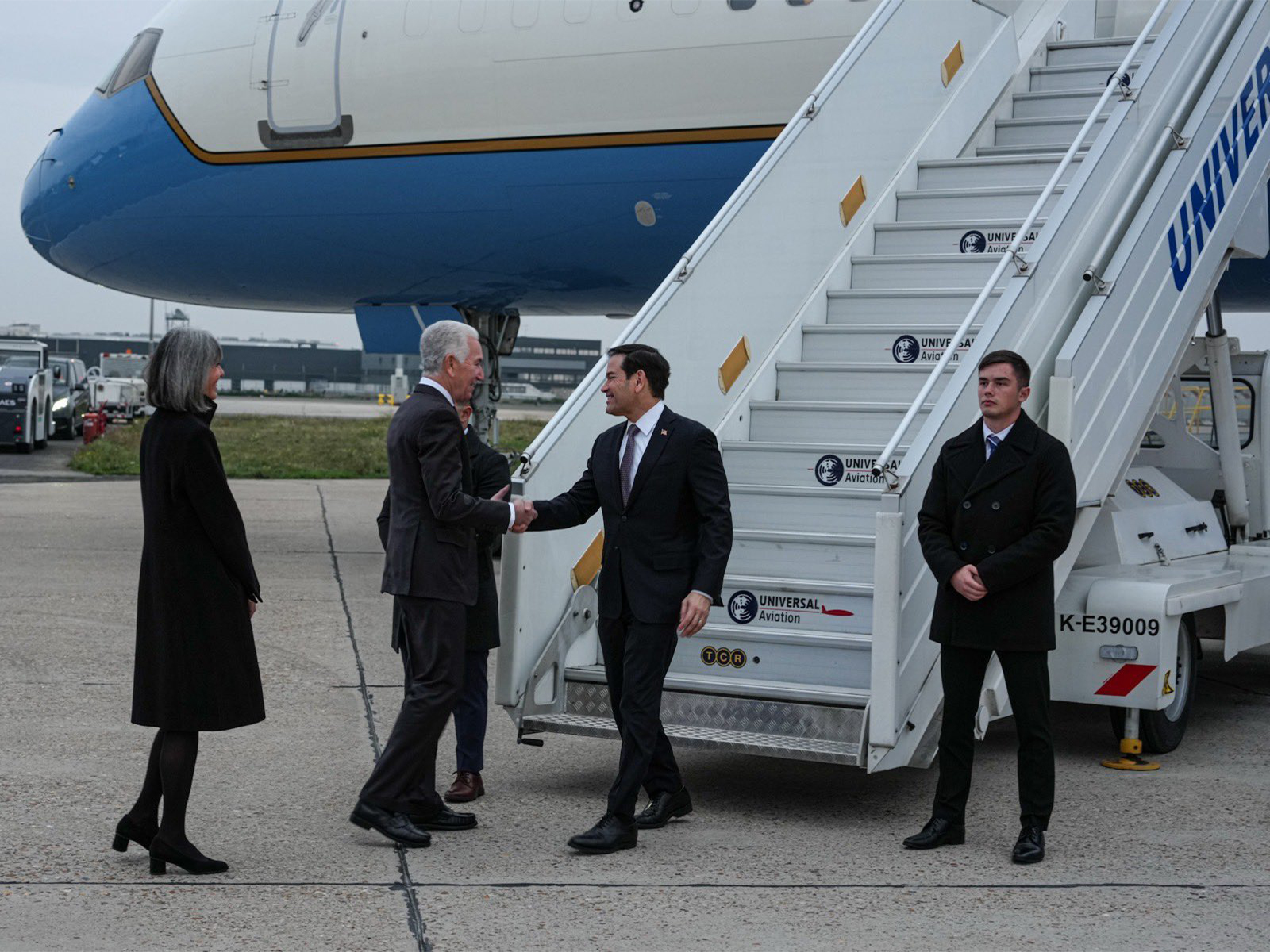
Baghaei also said that Iran’s proposal demonstrated its goodwill, dismissing US Secretary of State Marco Rubio’s claims that Tehran’s demands were irrational.
Iran’s demands, including the lifting of the economic blockade and an end to hostilities on all fronts, are entirely logical. Iran wants these demands to be met before negotiations with the United States resume.
“What is irrational and absurd is the US attack on Iran in the middle of negotiations. By any logic, norm or standard, the US attack was not only absurd, illegal and irrational, but also criminal,” Baghaei said.
His remarks come amid uncertainty surrounding diplomatic efforts to resolve the ongoing conflict, with negotiations between Washington and Tehran witnessing little progress in recent days.
Iranian Foreign Minister Abbas Araghchi also indicated that diplomatic activity had slowed following the results of the US elections, which he said had affected efforts by mediators to facilitate negotiations.
Araghchi said, "US election results have shocked the mediators' shuttle diplomacy; we need to wait a little. There has been no movement over the past few days, and the main reason is the results of the US election, which have ultimately come as a shock to everyone. It will take some time for the situation to calm down and for conditions to become favorable again for mediators to resume their visits. We need to be a little patient."
Meanwhile, US President Donald Trump on Sunday said fresh military strikes against Iran remain “highly unlikely”, provided that ongoing negotiations continue to advance, though he stopped short of completely ruling out the prospect of further military action.
During a telephone interview with CNN, President Trump asserted that Washington had already delivered a crushing blow to Tehran, rendering additional military action “highly unlikely” to be required.
“It depends on whether or not they sign a very strong agreement,” Trump noted, addressing Iran's nuclear ambitions and the unblocking of the Strait of Hormuz.
The US leader also maintained that American forces had mapped out critical infrastructure targets across Iran, highlighting that power plants and bridges had been identified, and boasted that authorities could destroy 38 bridges in an hour.
“Most likely it will not be necessary,” Trump reiterated. “They want to make a deal so badly.”
Earlier, President Trump disclosed that diplomatic channels remained active as his administration slapped fresh sanctions targeting eight Canadian firms alleged to have assisted Tehran in laundering funds via cryptocurrency networks.
“We're talking to Iran. We have been,” Trump told reporters prior to leaving the White House.
Depicting the military situation as highly advantageous for the United States, the President reported that the Strait of Hormuz was reopening.
“We've beaten Iran. We are doing very well with Iran,” he said.
When pressed on what message he wished to convey to Tehran, President Trump balanced his assertions of military triumph with confirmation that diplomatic contacts persisted.
The remarks coincided with an announcement from the US Treasury Department detailing sanctions against eight money services businesses operating in Canada under the banner of Operation Economic Outcast.
According to the Treasury, these enterprises swapped Iranian rials, along with other fiat currencies, for digital assets to facilitate international financial transactions for Iran. Officials added that multiple entities had engaged with blacklisted Iranian cryptocurrency exchanges or digital wallets tied directly to the Islamic Revolutionary Guard Corps.
More than eight months after the initial wave of joint US-Israeli strikes on Iran, President Trump has continued to project ambiguous signals regarding his stance on resolving the war. Meanwhile, Washington and Tehran remain deadlocked, with minimal headway in formal diplomatic initiatives.