Iran snubs Pakistan: No Iranian delegation sent for Islamabad Talks, says state media
Apr 21, 2026
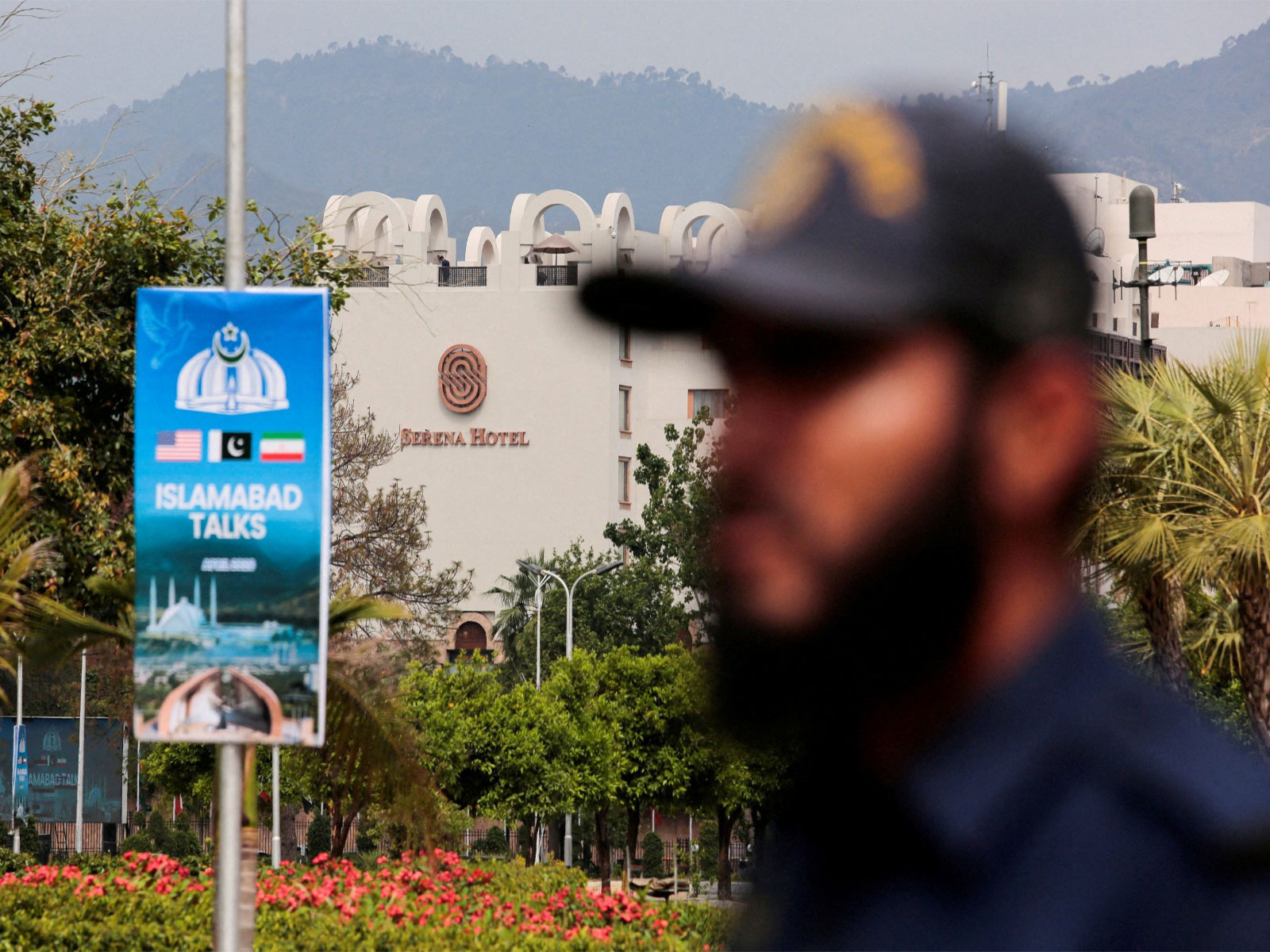
Tehran [Iran], April 21 : Iran on Tuesday has flatly denied that any delegation has travelled to Islamabad for the second round of peace talks with the United States aimed at achieving a complete halt in the hostilities in West Asia, in a major blow to Pakistan's diplomatic ambitions as mediators in the peace efforts.
According to Iranian state media, IRNA, citing diplomatic sources, no delegation from Iran has been dispatched to Islamabad "so far", dismissing recent reports.
The source further clarified that neither official nor unofficial information has even been received regarding Iranian involvement in the Islamabad talks, as reported by IRNA.
Significantly, the source highlighted a stinging lack of confidence in the host nation, emphasising that security considerations remain a top priority for any potential delegation--a subtle indictment of Pakistan's ability to guarantee the safety of high-level participants.
This revelation from Tehran directly contradicts the narrative being pushed by the Pakistani government.
While Islamabad has attempted to portray itself as a central mediator in the West Asian crisis, Iranian officials have maintained a firm stance: Tehran will not engage in negotiations under threats.
The denial follows a series of increasingly frantic statements from Pakistan's Information and Broadcasting Minister, Attaullah Tarar, who admitted on X that a "formal response from the Iranian side about confirmation of delegation to attend Islamabad Peace Talks is still awaited."
Despite the clear snub from Iran, Tarar attempted to maintain a facade of ongoing diplomacy, noting that Pakistan remains in "constant touch with Iranians."
However, his posts reflect a government scrambling to save face as its primary guest ignores the invitation.
"Decision from Iran to attend the talks before the end of two weeks ceasefire is critical," Tarar posted, underscoring the looming threat of failure for the summit.
The situation is further complicated by a glaring lack of coordination regarding when the ceasefire might actually end.
While Tarar, in his post, emphasised that the ceasefire expires at 4:50 am Pakistan time on Wednesday, US President Donald Trump provided a different timeline, stating the ceasefire would end on "Wednesday evening Washington time".
This discrepancy highlights the chaotic nature of the negotiations, with Pakistan struggling to maintain a cohesive narrative between two global adversaries.
Meanwhile, developments in Washington indicate ongoing internal deliberations on the matter.
According to sources cited by CNN, it remains unclear when US Vice President JD Vance will depart for Pakistan, if at all.
A White House official told CNN that "additional policy meetings are taking place at the White House in which the Vice President will participate", suggesting that discussions on the next steps are still underway.
CNN sources further indicated that senior US officials are continuing consultations to determine the course of action ahead of the ceasefire deadline, with Vance expected to be part of those discussions.
The proposed talks in Islamabad are being closely watched amid heightened tensions and fragile diplomatic efforts between the United States and Iran. With no confirmation yet from Tehran and time running out on the ceasefire, the prospects for a breakthrough remain uncertain.