Israel Innovation Authority Chairman calls for strategic mega-projects in AI, semiconductors and quantum for tech sovereignty
Nov 20, 2026
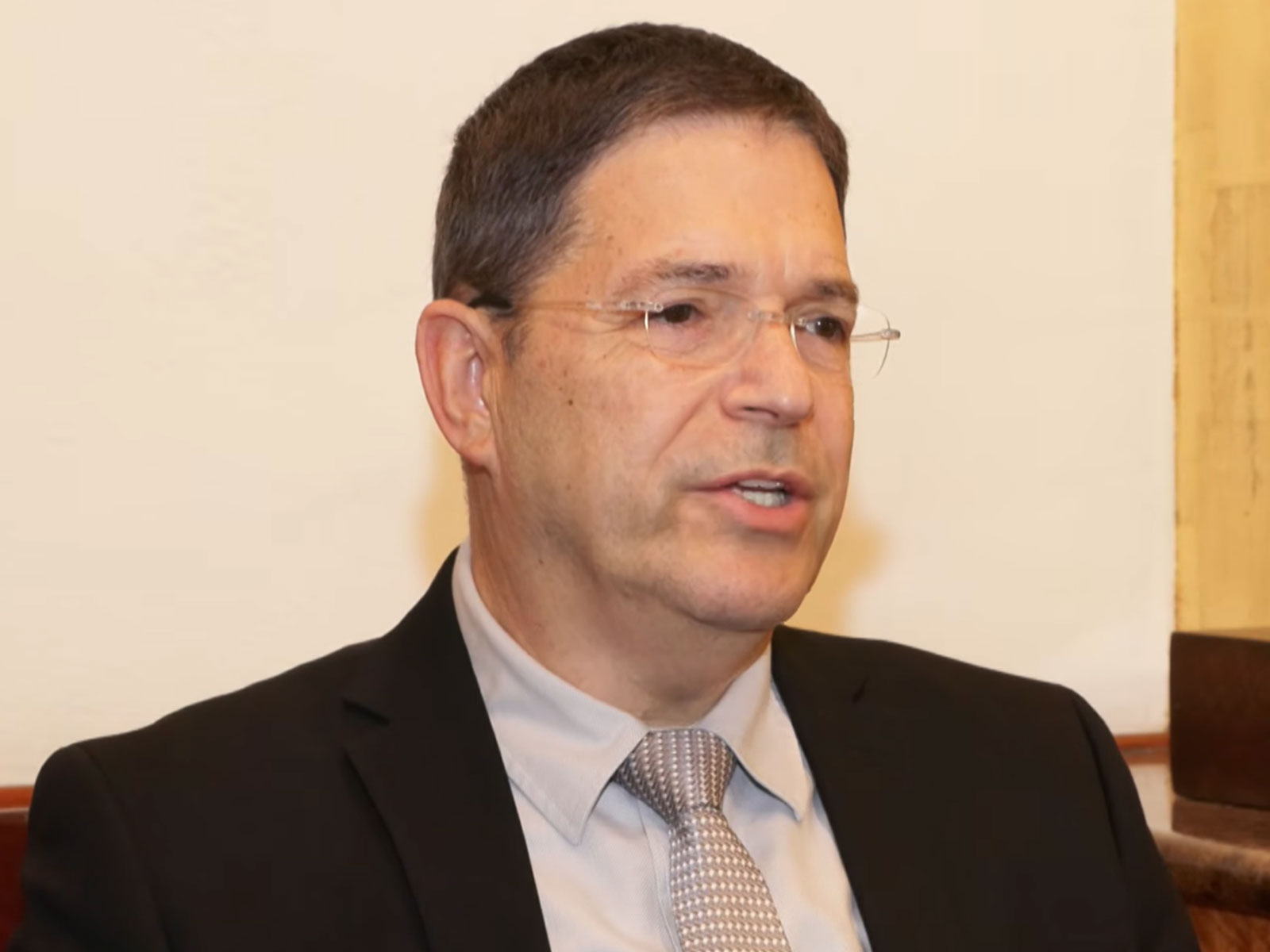
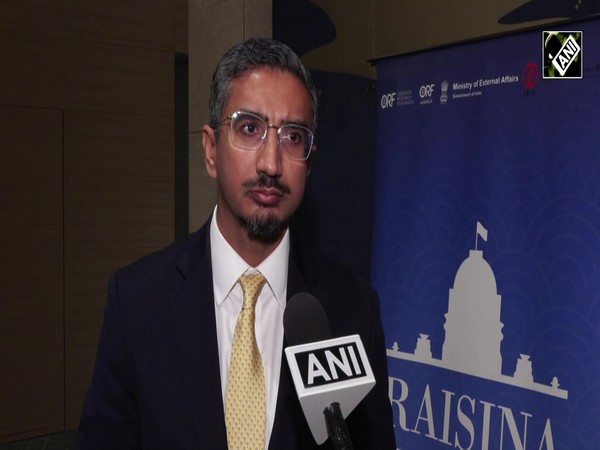
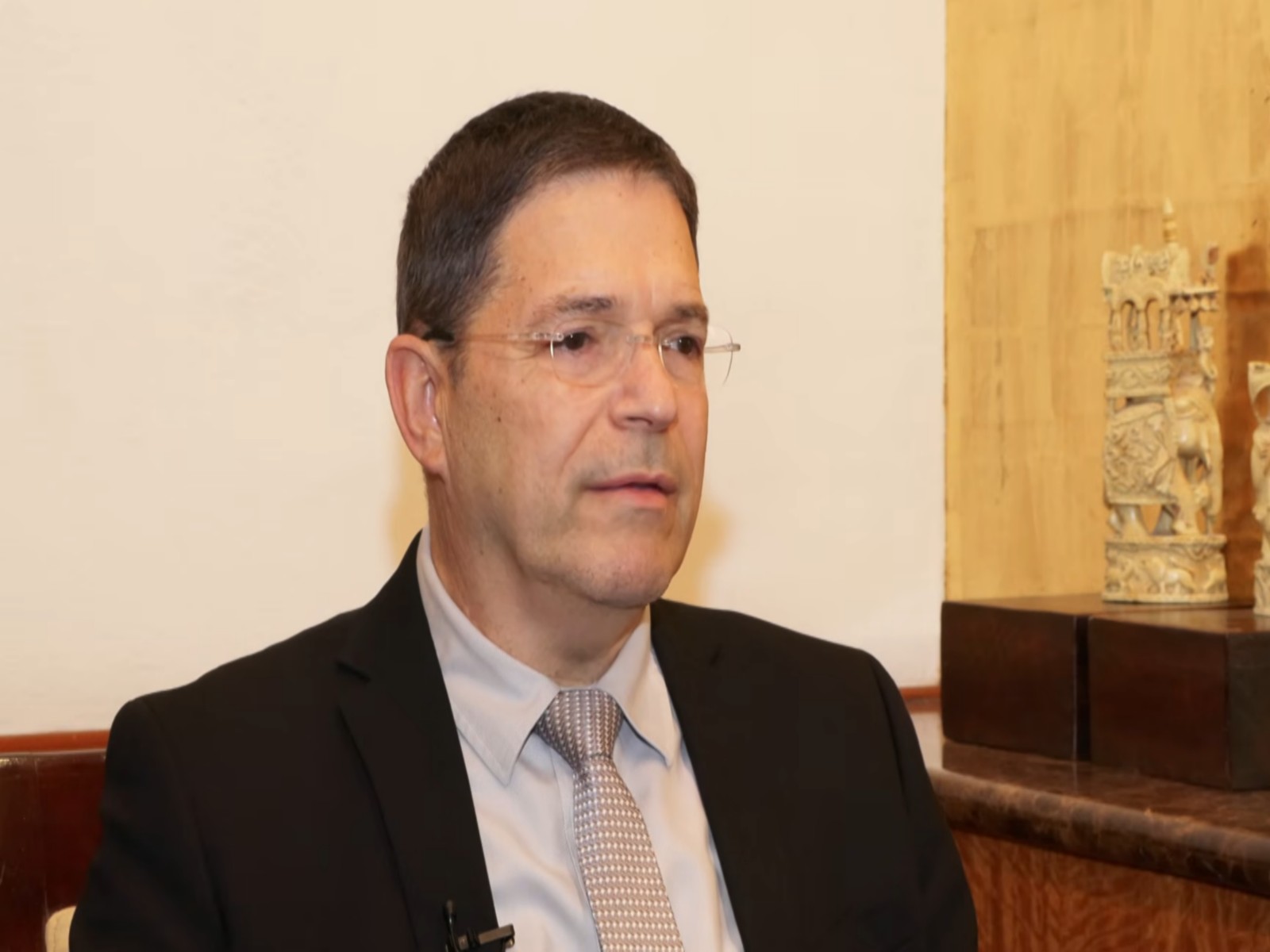
New Delhi [India], November 20 : Underscoring the vast untapped potential in bilateral technological ties, Dr. Alon Stopel, Chairman of the Israel Innovation Authority and Chief Scientist for Innovation at Israel's Ministry of Innovation, Science and Technology, said that Israel and India can elevate their long-standing research and development partnership into strategic mega-projects across artificial intelligence, semiconductors and quantum computing.
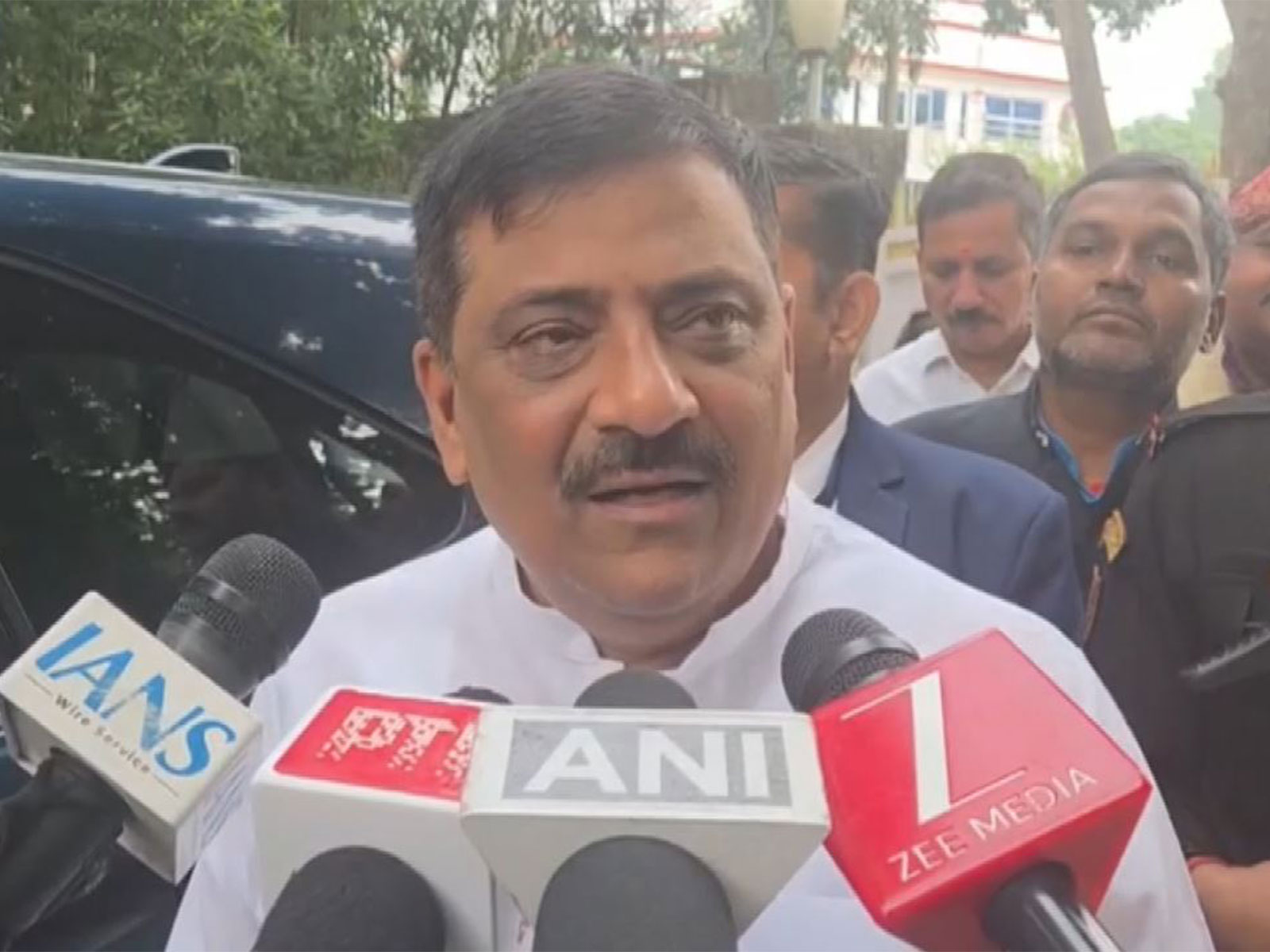
Speaking to ANI during his second visit to India as chairman of the authority, Dr. Stopel, who also previously served as Vice President and Corporate Chief Scientist at Elbit Systems from March 2016 to January 2024, noted that both nations have built a strong foundation through the India-Israel Industrial R&D and Technological Innovation Fund (I4F).
"I believe that we have the potential to extend this collaboration based on the current foundation to additional topics and activities, not just through a bilateral fund, but also by cooperating to establish a common consortium, a technology consortium, which can build new kinds of ecosystems, advance an R&D lab for ITRL in order to examine technology and implement it in the market, and maybe consider building a strategic technology project together that will contribute to the independence and sovereignty of both countries," he observed.
Highlighting how bilateral cooperation extends well beyond defence into broader technological ecosystems, Dr. Stopel emphasised the complementary strengths of both nations.
"First of all, there is a lot of knowledge in India, not just a market and a place to manufacture, but also a lot of knowledge. In addition, in Israel, we know that we are a very small country. So, at best, all the technology in Israel can use the State of Israel as a test site. But the real market is worldwide.
"So, I believe we can create a win-win situation. First of all, we can enjoy each country's benefits at the technology stage. Then, we can use Israeli knowledge on one hand and the capabilities we have here in India, along with the market located not just in India but also as a gateway to the Far East," he remarked.
Addressing collaboration in artificial intelligence, he broke down Israel's capabilities across hardware infrastructure, foundation models and vertical applications, noting that Israel ranks first globally in AI talent per capita, fifth in raising capital for applications and eighth in establishing AI startups.
Pointing out that India's annual pool of computer science and engineering graduates rivals Israel's entire population, he stressed how combining Israeli deep-tech expertise with Indian scale can transform both economies while using India as a gateway to the Far East.
Turning to semiconductors, an area where nations increasingly seek technological sovereignty following pandemic-era supply chain shifts, Dr. Stopel noted that roughly 10 per cent of Israel's 400,000 tech workers are employed in the chip sector, alongside over 550 multinational R&D centres operated by global giants such as Apple, Google and Samsung.
Outlining proposals already shared with his Indian counterparts, he said, "It can be in unique semiconductor materials. It could be in silicon photonics. It could be in advanced silicon. It could also be in advanced computer architectures for AI applications. And it could be a mega programme to build common India-Israel AI computers."
While noting that current bilateral initiatives under the I4F fund typically involve company-to-company collaborations worth a few million US dollars, Dr. Stopel revealed that an overwhelming surge in high-quality applications has strained existing budgets.
"We in Israel are willing, first of all, to extend this fund and support more and more joint India-Israel projects. This is the first level, but I think we can take it a few steps further and build together a strategic vector in semiconductors, quantum computing and other areas," he stated, identifying budgetary constraints and the pace of administrative decisions as the primary hurdles to scaling up.
On India's rapidly expanding startup ecosystem, Dr. Stopel underscored that embracing failure is vital to entrepreneurial success.
Explaining Israel's public-private funding philosophy, he noted that the government avoids competing where private venture capital is abundant, such as cybersecurity, and instead co-invests alongside private investors in high-risk, long-gestation deep tech without taking equity or board seats. It seeks only royalties once sales commence and requires intellectual property to remain domestic.
Illustrating the agility of the Israel Innovation Authority, which operates independently of standard government bureaucracy, he pointed to two rapid crisis interventions.
Following the outbreak of war in October 2023, the authority allocated 400 million shekels within three weeks to rescue startups with strong intellectual property and less than six months of cash runway, injecting 1.2 billion shekels into the market alongside private shareholders over three months.
Similarly, six months ago, it swiftly stepped in to support startups facing shortened financial runways caused by sharp fluctuations in the shekel-dollar exchange rate.
To help Israeli startups overcome cultural and market barriers in India, Dr. Stopel announced plans for a dedicated "launchpad" initiative in partnership with an Indian entity, modelled on a successful programme already running in the United States.
On the lessons India can draw from Israel's innovation model amidst global geopolitical turbulence, he advocated balancing a wide-angle, bottom-up approach to emerging technologies with a top-down strategic focus on national security and sovereignty.
"Israel sees India as a strategic partner. We believe in this partnership. I believe that we can, as I say, extend it and make it deeper and broader. I hope that we succeed in creating additional and even bigger collaborations at the strategic level and contributing, based on technology, to the sovereignty of both countries," Dr. Stopel affirmed.