Jindal Steel to complete pilot project to convert carbon emissions into industrial raw materials by March 2027: Naveen Ahlawat
Nov 26, 2026
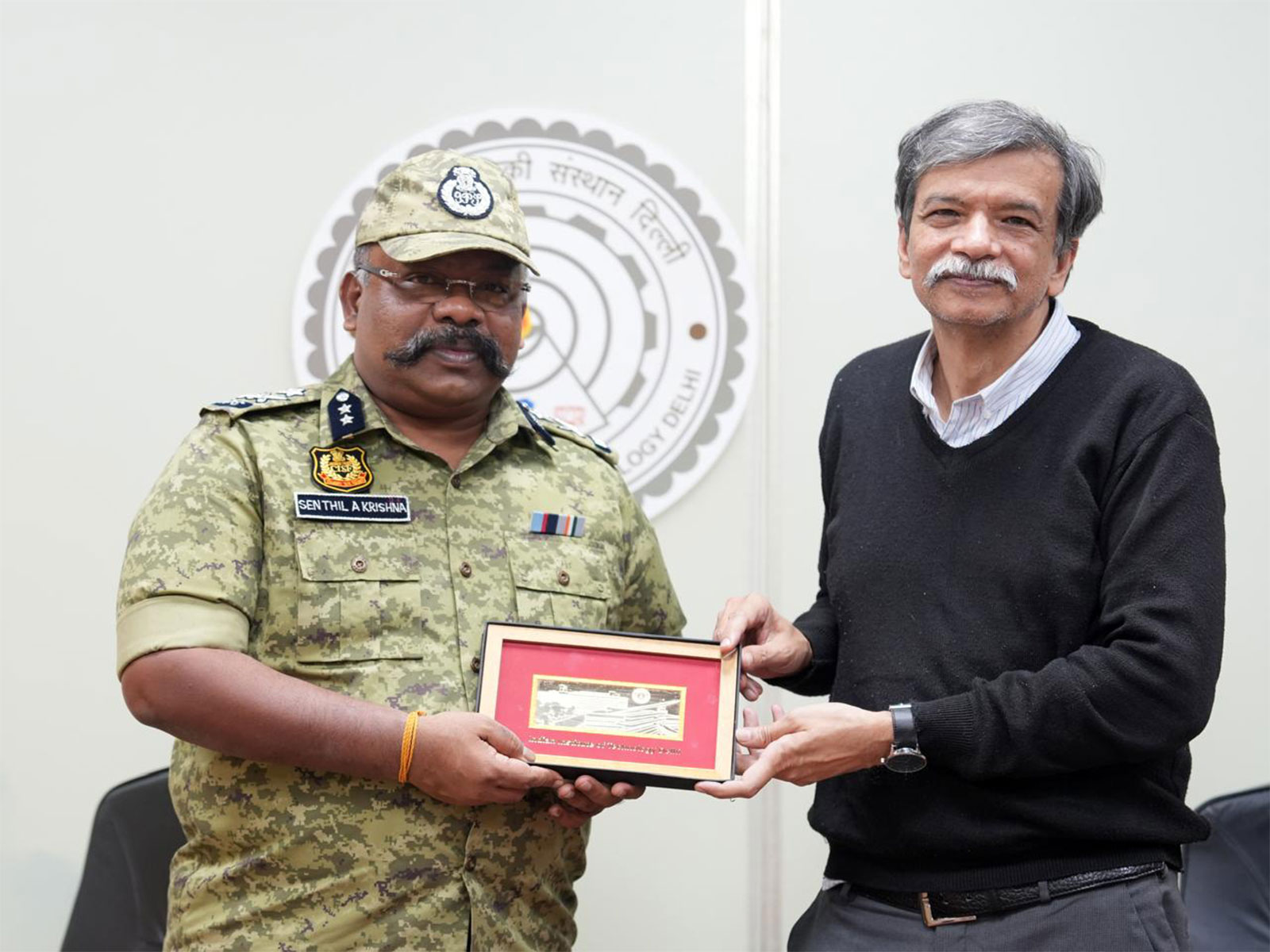
New Delhi [India], November 26 : As India steps up efforts to reduce industrial carbon emissions and promote cleaner manufacturing technologies, Jindal Steel is working on a project with the Indian Institute of Technology (IIT) Bombay to convert captured carbon dioxide into industrial raw materials, with the trial phase expected to be completed by March 2027.
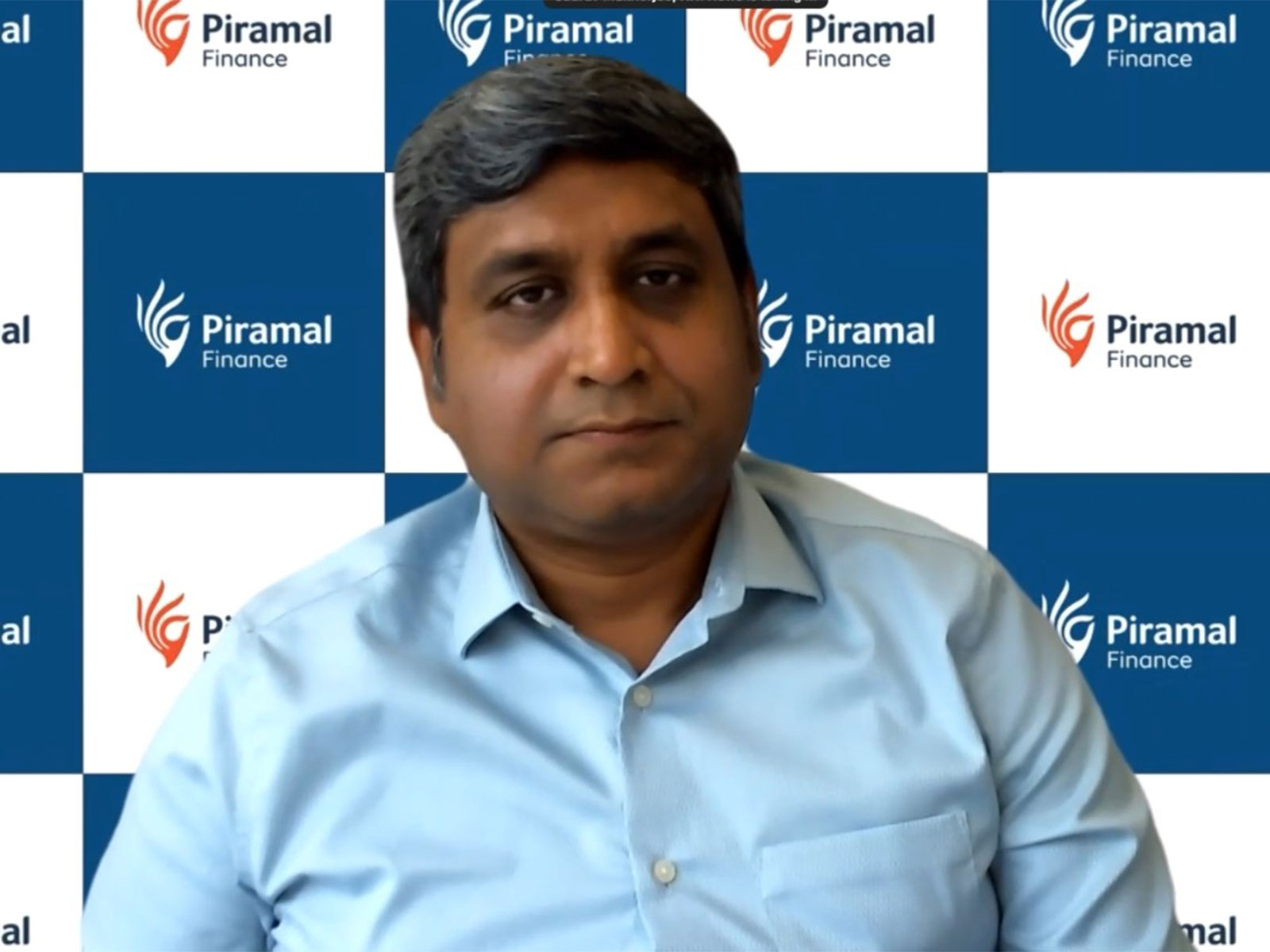
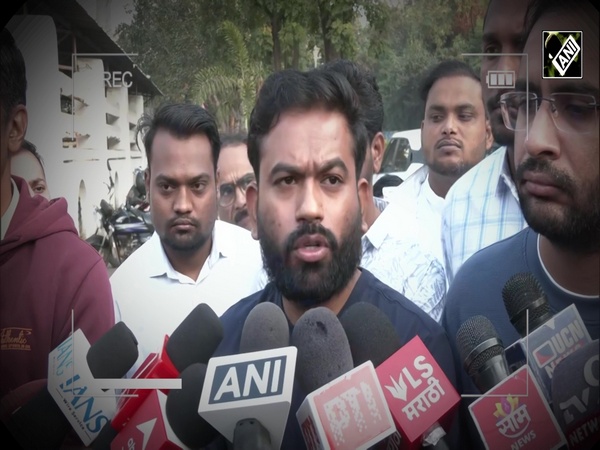
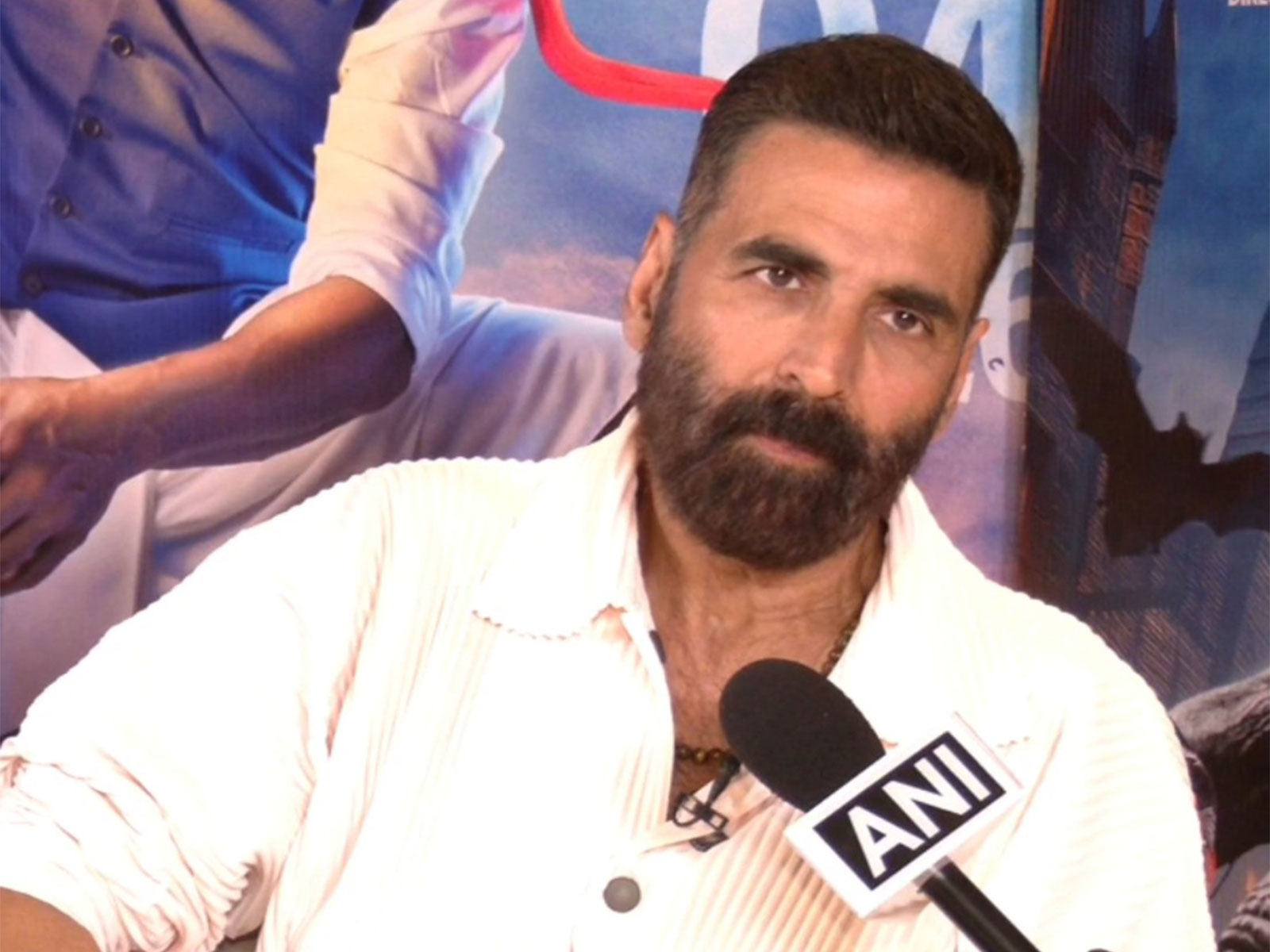
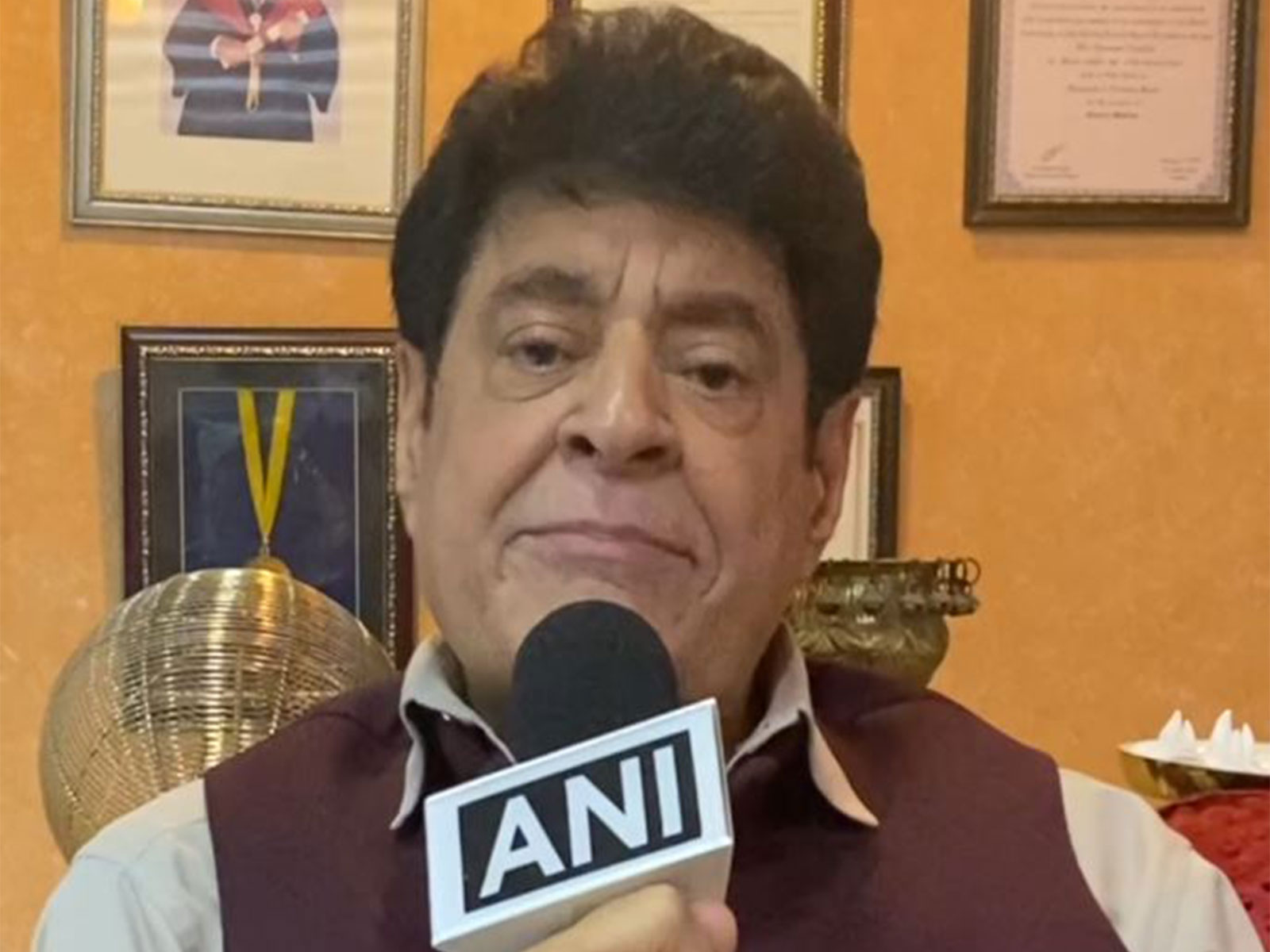
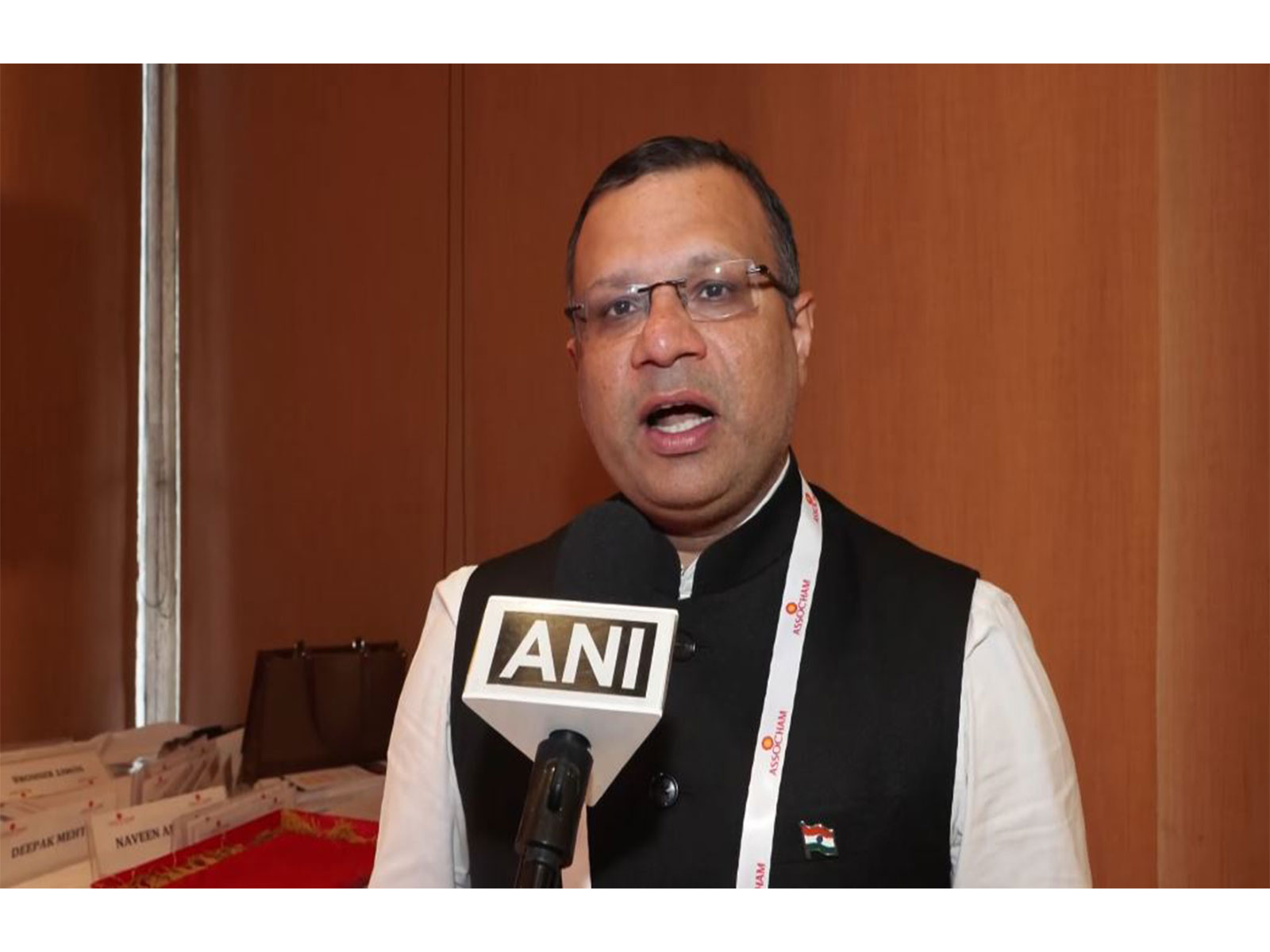
Speaking to ANI on the sidelines of the ASSOCHAM India Energy Sovereignty Summit 2026, Naveen Ahlawat, President and Head of Sustainability and Decarbonization at Jindal Steel Ltd, said the company plans to scale up the technology following the completion of the trial phase. The technology could help produce chemicals such as methanol and ethanol and also be used for power generation.
"We are doing with IIT Bombay in terms of reduction of captured CO2 to CO, carbon monoxide because that CO can be a building block to make so many chemicals like methanol, ethanol and also use CO for making power," Ahlawat said.
"By end of this financial year, we'll be concluding the pilot work and then after that we'll scale it up to a much bigger level," he added.
The initiative forms part of the company's efforts to decarbonise steel manufacturing while exploring productive uses for captured industrial emissions, rather than merely storing them.
According to Jindal Steel's Sustainability Report for FY2024-25, the company is designing a one-tonne-per-day electrochemical unit to convert carbon dioxide into carbon monoxide, which can subsequently be used as a raw material for producing fuels and chemicals such as ethanol and methanol. The initiative forms part of its broader carbon utilisation and biomanufacturing efforts at Angul in Odisha.
Ahlawat also stressed the need for industries to prioritise operational efficiency and waste utilisation before undertaking capital-intensive investments in newer decarbonisation technologies.
"Then use of renewable energy, carbon capture utilization, green hydrogen, all these things can come because there is an incremental cost associated against these items, but before we do that, I think the quick win should be given the priority," he said.
The development assumes significance in the context of India's broader industrial decarbonisation strategy. The Union Budget 2026-27 proposed an outlay of Rs 20,000 crore over five years to promote Carbon Capture, Utilisation and Storage (CCUS) technologies across five major industrial sectors, including power, steel, cement, refineries and chemicals.
The government has also identified carbon capture and green hydrogen-based steelmaking as key focus areas for reducing emissions from the domestic steel industry over the medium term.
On India's energy sovereignty, Ahlawat advocated a cluster-based manufacturing approach to reduce dependence on imported energy products and chemicals, while developing export opportunities in Southeast Asia, the Middle East and other global markets.
Meanwhile, reacting to the US tariff developments, Ahlawat said the impact on Indian steelmakers would be minimal, citing strong domestic demand and opportunities in neighbouring markets.
"Within our country, the demand is so high that if we focus on our country and then focus on the neighboring country, Southeast Asia, then I think we are absolutely good," he said.