Kolkata: Kendua Durga Puja pandal challenges patriarchy with powerful portrayal of women’s oppression
Oct 15, 2026
By Ujjwal Roy
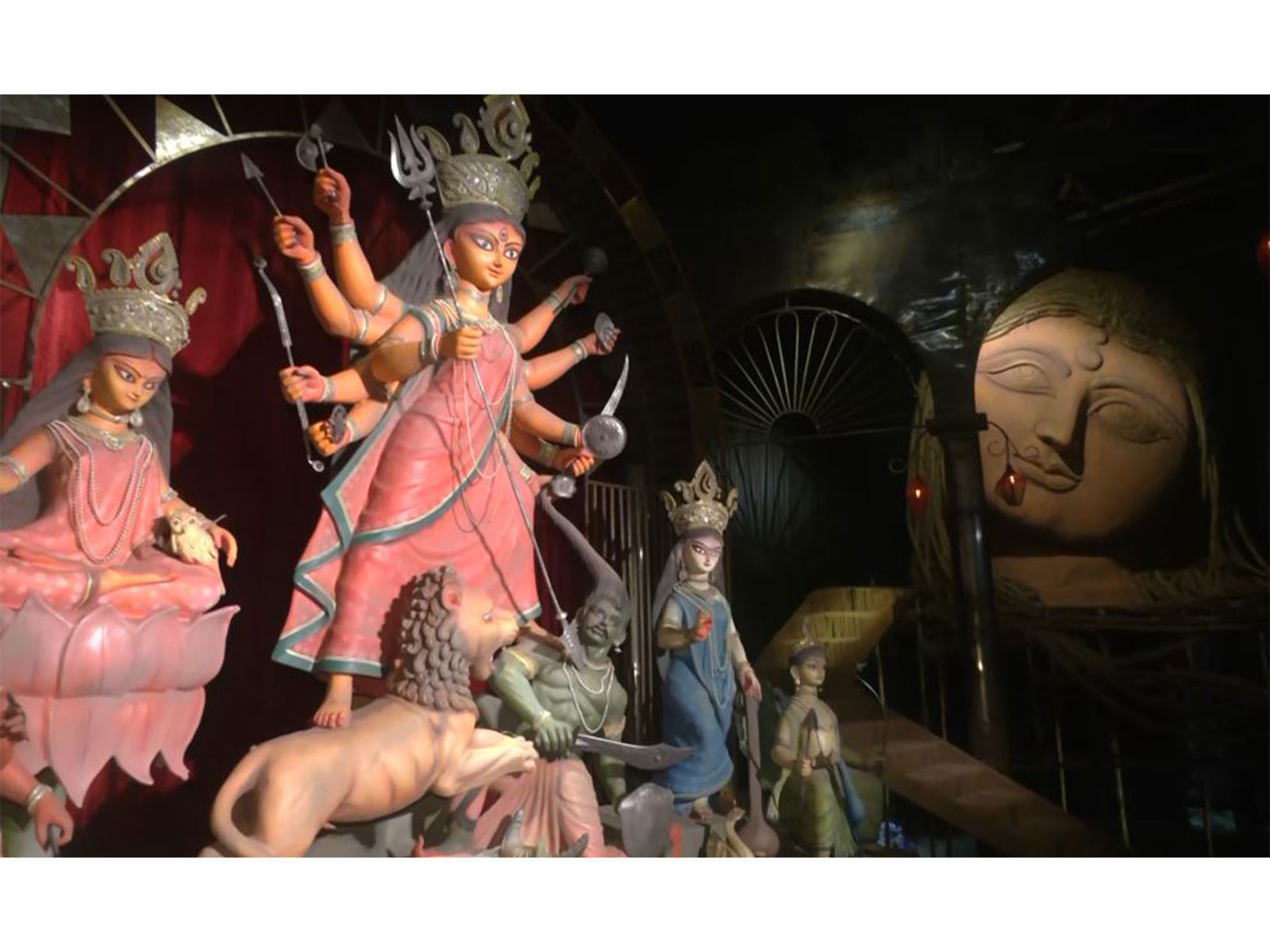
Kolkata (West Bengal) [India], October 15 : Amid the grandeur, artistic brilliance and festive fervour of Kolkata’s Durga Puja celebrations, the Kendua Shanti Sangha Sarbojanin Durgotsab Committee is drawing attention with a thought-provoking theme that confronts the oppression of women in a male-dominated society.
Celebrating its 53rd year, the committee has chosen “Aishwaryi” as its official theme, using the Durga Puja pandal as a platform to question age-old superstitions, blind faith and the social structures that continue to deny women their freedom and individuality.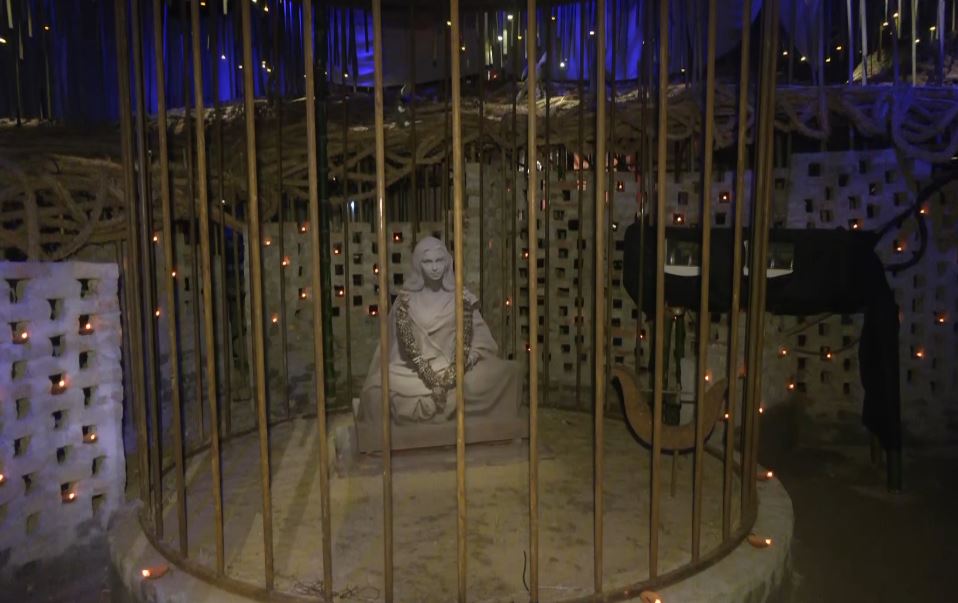
At the heart of the installation is a haunting image: a woman imprisoned inside a cage, her dishevelled hair entwined around her body and transformed into a ladder. Religious devotees and the superstitious climb this ladder, blinded by the goddess’s divine beauty and hoping to earn her favour. The disturbing imagery draws attention to the exploitation of women in the name of religion, tradition and faith.
The woman depicted in the pandal is more than a symbol of physical captivity. She represents countless women whose identities, emotions and aspirations are gradually erased under the weight of societal expectations. Trapped in the clutches of exploitation, she loses the freedom to love, dream, build a family and make decisions about her own life.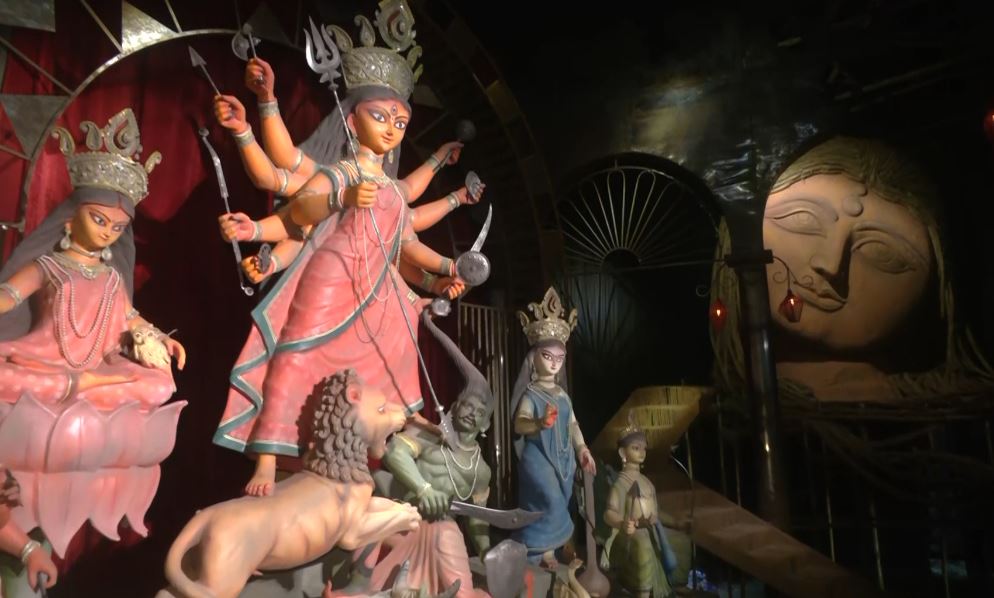
The theme draws a striking parallel with Satyajit Ray’s 1960 Bengali film 'Devi', in which a young woman, Dayamoyee, is believed by her family to be an incarnation of the goddess Kali. As religious conviction overtakes reason, she becomes trapped in an identity imposed upon her by those around her, with devastating consequences for her personal relationships and emotional well-being.
The pandal also recalls the literary history of 'Devi', a story published in 1899 with a narrative provided by Rabindranath Tagore. By connecting literature, cinema and contemporary social realities, the installation asks whether the passage of more than a century has brought meaningful change to the position of women in society.
The central question raised around the theme of the Durga Puja pandal is both simple and unsettling: What has changed?
Despite advances in education, technology and women's rights, the influence of superstition, blind faith and patriarchal traditions remains deeply rooted in many sections of society.
The pandal challenges this contradiction. Women are revered as mothers, nurturers and embodiments of divine power, yet their autonomy is often restricted in everyday life. The very society that worships the feminine divine can deny real women the right to determine their own futures.
Through its striking visual narrative, Kendua Shanti Sangha Sarbojanin Durgotsab Committee invites visitors to look beyond the spectacle of Durga Puja and confront the uncomfortable realities that persist outside the pandal. 
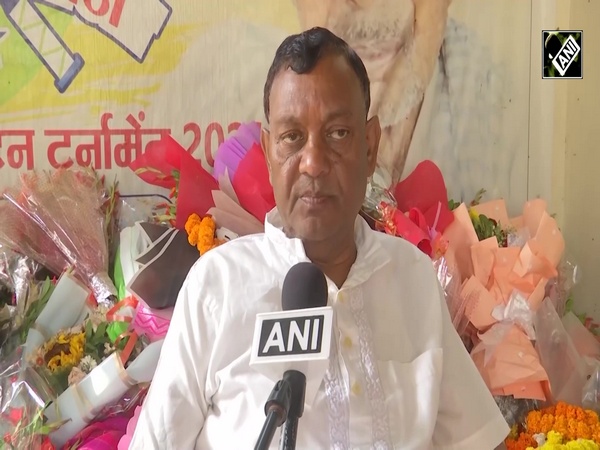
Speaking to ANI, Sanjib Chatterjee, Working President of the Kendua Shanti Sangha Sarbojanin Durgotsab Committee, shared, “This pandal centres on the idea of a fragile girl who is elevated to the status of a 'goddess,' only to be placed in a perilous situation, ultimately leading her to take her own life. The focus is on ‘endangered women’ and still persists in society. We have tried to present the situation of women.”