Magistrate must examine complainant, hear accused before taking cognisance in private complaint: Delhi HC
Sep 30, 2026
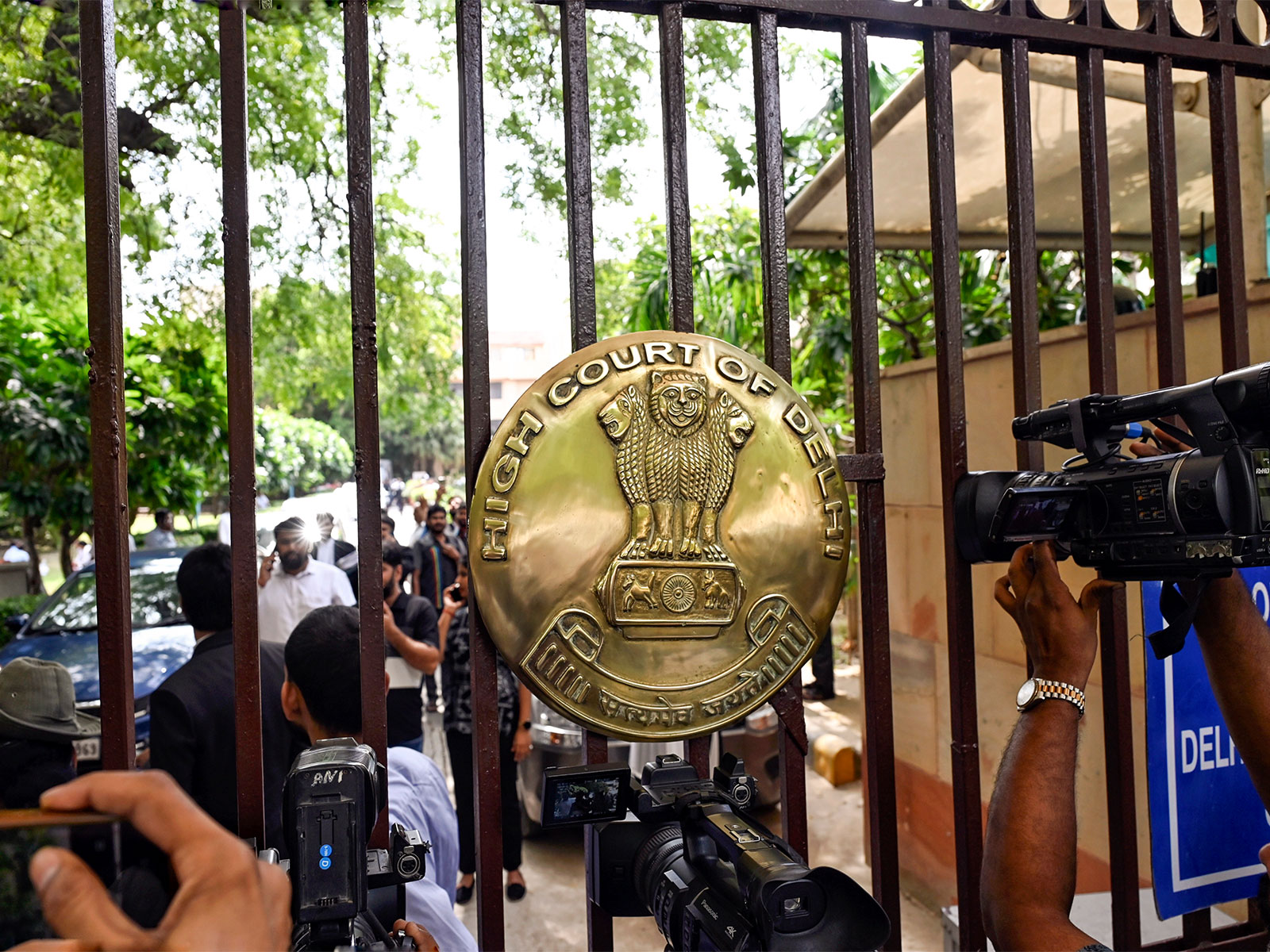
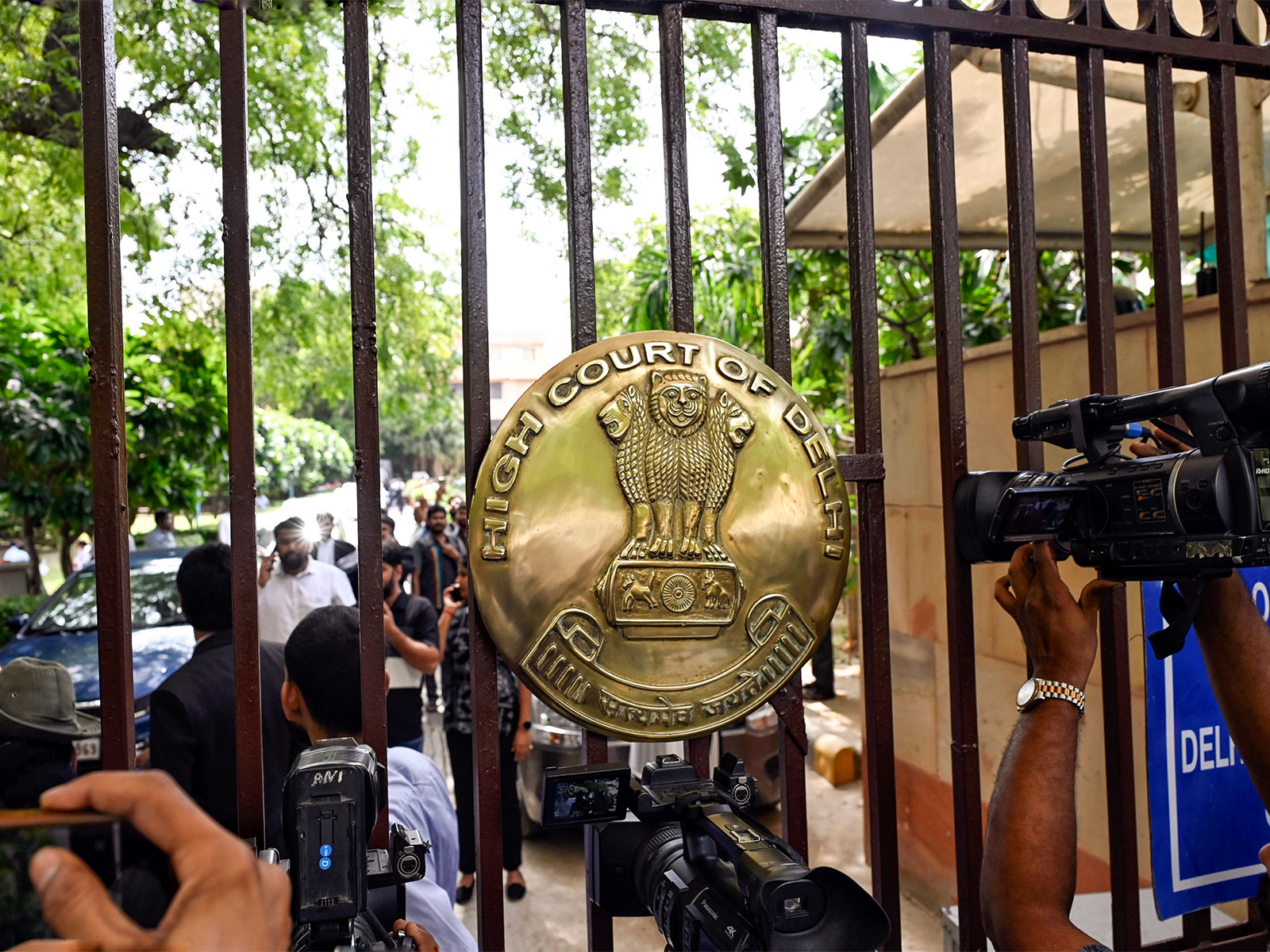
New Delhi [India], September 30 : The Delhi High Court has ruled that in a private complaint, a Magistrate can formally take cognisance of an offence only after examining the complainant and witnesses on oath, subject to statutory exceptions, and providing the accused an opportunity of being heard.
A bench of Justices Navin Chawla and Ravinder Dudeja held that the Magistrate must first examine the complainant and witnesses present and determine whether a prima facie case exists for proceeding further rather than dismissing the complaint under Section 226 of the Bharatiya Nagarik Suraksha Sanhita (BNSS).
The court clarified that once such a prima facie view is formed, the Magistrate must issue notice to the proposed accused under the first proviso to Section 223(1) of the BNSS and provide an opportunity of hearing. The formal decision to take cognisance can be made only after the accused has been heard.
The ruling addresses the procedure applicable to Magistrates while dealing with private complaints under the BNSS, which replaced the Code of Criminal Procedure (CrPC).
The bench particularly examined the use of the word "while" in Section 223(1) of the BNSS, which states that a Magistrate having jurisdiction "while taking cognizance" shall examine the complainant and witnesses present on oath, subject to exceptions provided under the law.
The High Court held that the word "while" is significant and indicates that examination of the complainant and witnesses forms part of the process of taking cognisance under the BNSS.
The court distinguished this procedure from the position under the erstwhile CrPC. Under Section 190 of the CrPC, cognisance was taken by the Magistrate, following which the examination of the complainant and witnesses was undertaken under Section 200.
The bench also took note of the first proviso to Section 223(1) of the BNSS, which specifically provides that no cognisance of an offence shall be taken without giving the accused an opportunity of being heard.
The court said the provisions of the BNSS have to be read together and harmoniously and that merely because provisions relating to the procedure appear in different chapters, their placement cannot by itself determine the stage at which cognisance is taken.
The reference before the larger bench arose from petitions challenging orders passed by Magistrates directing issuance of notice to proposed accused under Section 223 of the BNSS.
The bench was called upon to clarify the stage at which cognisance is taken in a private complaint, the role of examination of the complainant and witnesses and the point at which the accused becomes entitled to an opportunity of hearing.
The High Court's ruling accordingly clarifies that under the BNSS, examination of the complainant and witnesses and the opportunity of hearing to the accused are integral to the process preceding the Magistrate's formal decision to take cognisance.
The judgment lays down the procedural framework that Magistrates are required to follow while dealing with private complaints under the new criminal procedure law.