"Making progress": US envoy Kushner outlines three pillars for Ukraine's future amid peace talks
Nov 16, 2026
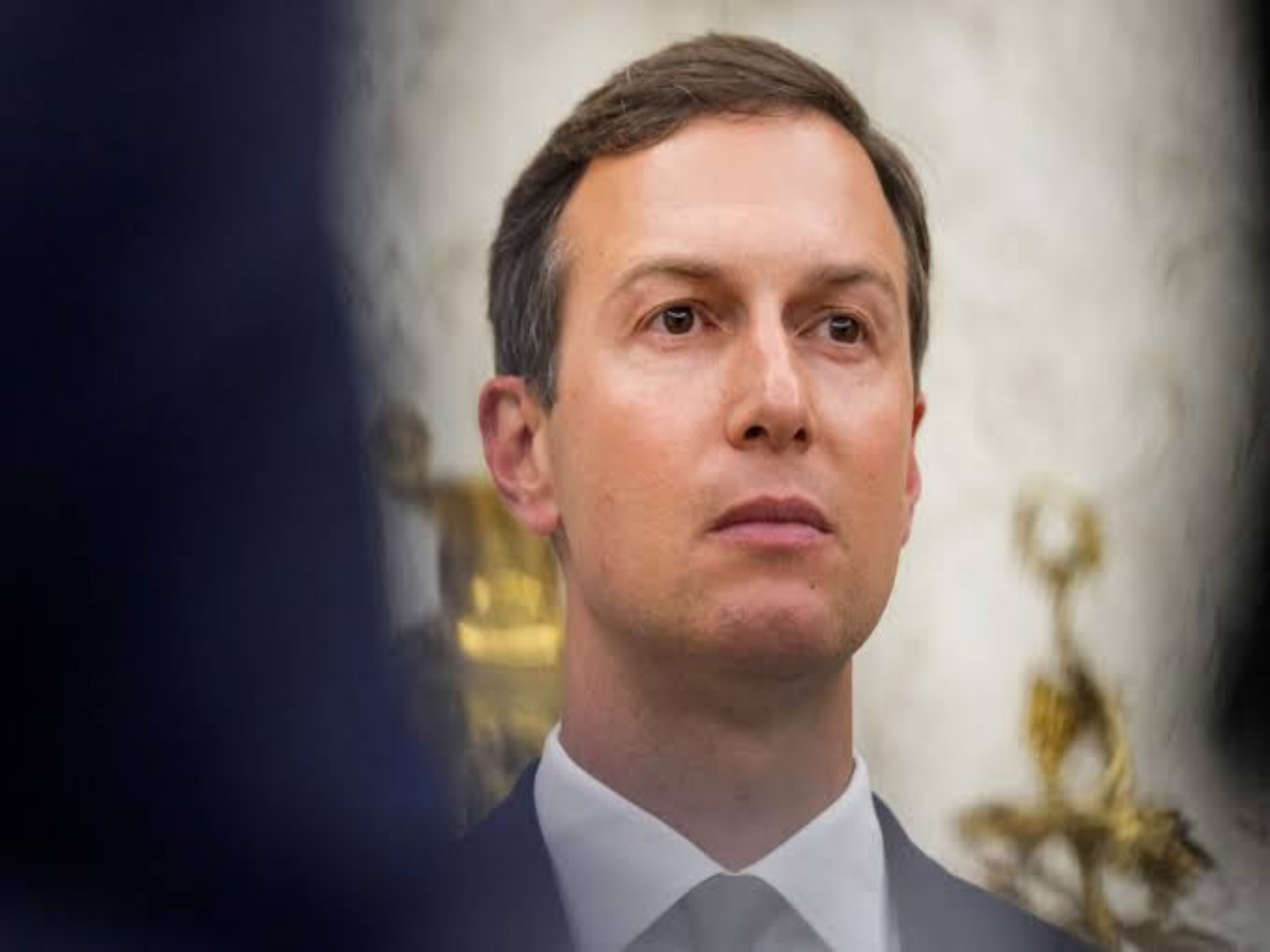
Washington DC [US], November 17 : US Special Envoy Jared Kushner on Monday (local time) said that his country was "making progress" towards ending the Russia-Ukraine war, outlining three key pillars for Ukraine's future, including credible security guarantees, a path towards European Union (EU) membership and a comprehensive post-war economic prosperity plan.
In a post on X, Kushner said US President Donald Trump was "determined to achieve lasting peace" and that Washington remained "committed to ending the war" and the human suffering caused by it.
"We are committed to bringing an end to the war in Ukraine and the tremendous human suffering it has caused. President Donald Trump is determined to achieve a lasting peace, and we remain fully committed to doing everything possible to help make that happen," he said.
Kushner said he and US Special Envoy Steve Witkoff had spoken with Russian presidential aide Yuri Ushakov on Monday morning (local time) to discuss progress made and next steps in the peace process.
"This morning, @SEPeaceMissions and I spoke with Yuri Ushakov to discuss the progress we have made and the next steps in the peace process," he said.
https://x.com/jaredkushner/status/2122397087115698445
He further said that they also held a productive call with Ukraine and their European partners, including the National Security Advisors of Germany, France, the United Kingdom, Poland and Italy, along with representatives of the European Union (EU) and NATO.
"We discussed how to facilitate direct engagement between Europe and Russia, which has been largely absent over the past four years. It is important that both sides hear each other’s concerns and proposals directly as we work toward a more stable and secure future for Europe," Kushner said.
He added that preparations had also begun for the agenda of the next multilateral meeting, which the participating sides were working to convene in the near future.
Kushner highlighted the central focus of the discussions and said, "A central focus of our discussions was a fundamental question: How do we end this horrible war and create post-war security arrangements that make future wars less likely?"
He stressed that NATO would continue to remain a critical pillar of European security, adding that the objective was to strengthen existing European institutions and agreements through enhanced security commitments, communication, transparency and mechanisms for de-escalation.
"NATO will remain a critical pillar of European security. Our objective is to build on Europe’s existing institutions and agreements, strengthening security commitments, communication, transparency, and mechanisms for de-escalation so that the peace we achieve can endure," he said.
Kushner said that when he and Witkoff began the diplomatic efforts a year ago, they had defined a successful outcome for Ukraine as a sovereign, secure and prosperous country, free to determine its own future.
He outlined three essential pillars through which the United States, working closely with Ukraine and its European partners over the past year, had made meaningful progress towards that vision.
These include strong and credible security guarantees to protect Ukraine against future aggression; a path towards EU membership to anchor Ukraine's long-term future in Europe; and a comprehensive post-war prosperity plan developed with European partners, the World Bank and others to support Ukraine's financial stability, reconstruction, investment and long-term economic growth.
"Together, these elements can give Ukraine the strength, security, freedom and confidence to negotiate the remaining difficult issues with Russia and build a brighter future for its people," he said.
Kushner emphasised that any final peace agreement would require the consent of both Russia and Ukraine, adding that constructive ideas were emerging through discussions away from the public spotlight.
"Any final peace agreement will need to be agreed to by both Russia and Ukraine. While much of the public discussion focuses on the differences between the parties, we continue to see positive and constructive ideas emerging through serious discussions away from the public spotlight. These exchanges are helping us explore potential solutions and narrow the remaining gaps," he said.
Acknowledging that significant challenges remained and that a final agreement would require difficult decisions, Kushner said that progress was being made in close coordination with Russia, Ukraine and Europe.
"But we are making progress, in close coordination with Russia, Ukraine, and Europe, toward an outcome that can end this war, strengthen European security, and create the foundations for lasting peace," he added.
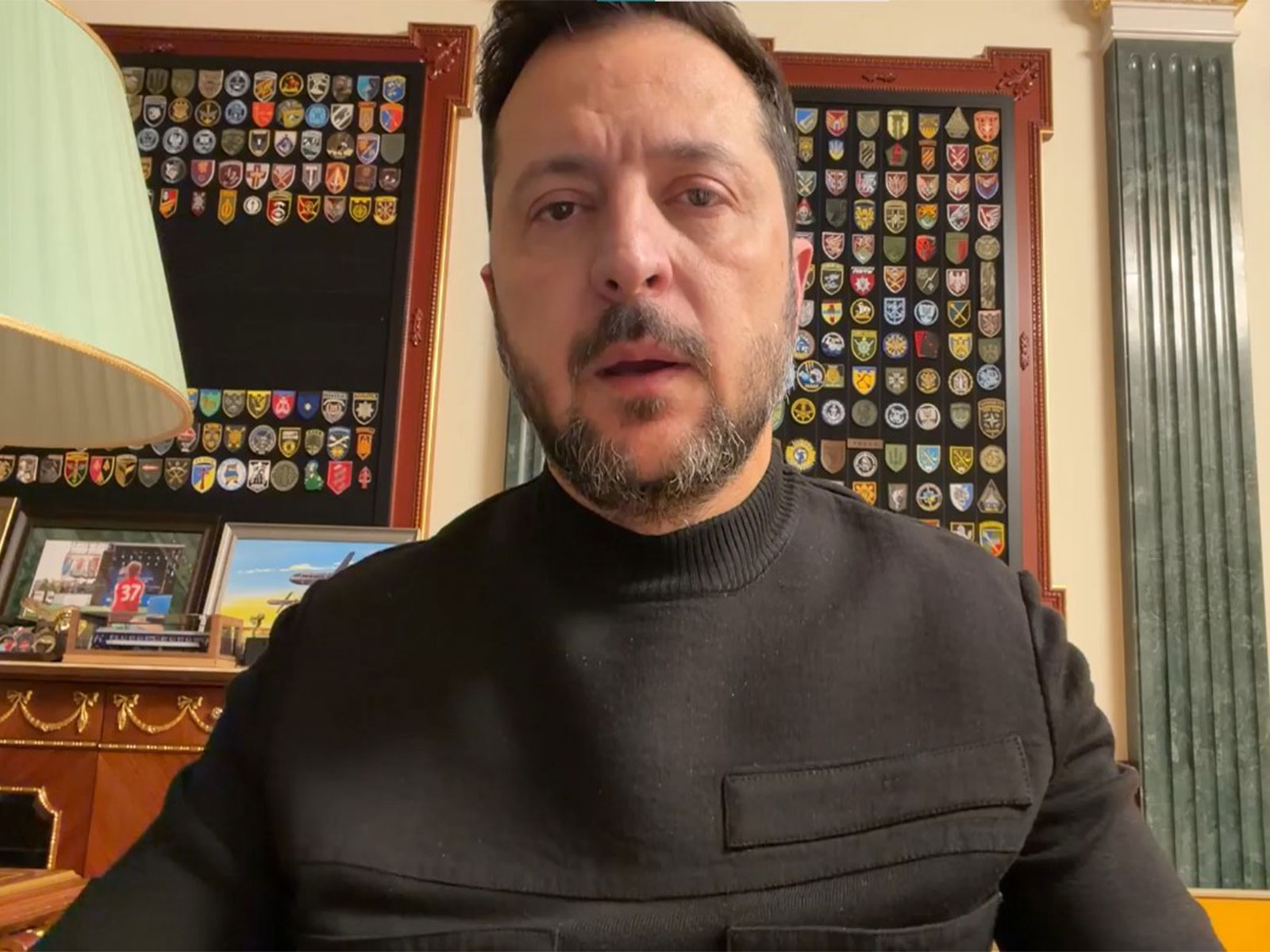
Meanwhile, Ukrainian President Volodymyr Zelenskyy on Monday (local time) said that another round of discussions involving Ukrainian, American and European negotiating teams had taken place, with diplomatic efforts actively underway to secure a dignified end to the war and guaranteed security for Ukraine.
In a post on X, Zelenskyy said that the American team was actively engaged in the discussions, with Witkoff and Kushner joining the meeting online.
"Today, there was another discussion between the negotiating groups – Ukrainian, American, and European – at the level of teams. Diplomatic efforts are actively underway, and we hope they will not be in vain. Our team is working as constructively as possible. We need a dignified end to the war and guaranteed security for Ukraine," he said in his evening address.
He also noted that, for the first time, Europe was represented by the full group of countries and institutions that would participate in negotiations with Russia. These included representatives from France, Germany, the United Kingdom, Italy and Poland, along with representatives of the European Commission, the European Council and NATO.
"The American team is also actively engaged – Steve Witkoff and Jared Kushner joined the discussion online. For the first time, Europe was represented in this discussion by the full group of those who will represent it in negotiations with the Russians – France, Germany, the United Kingdom, Italy, Poland, EU representatives from the European Commission and the European Council, and a NATO representative," he added.
Describing the discussions as difficult, Zelenskyy said that the participating sides had nevertheless agreed to meet in Berlin under the Coalition of the Willing to work out concrete joint steps in the negotiation process. "The discussion was difficult, but there is a result: we will meet in Berlin as part of the Coalition of the Willing and work out concrete joint steps in the negotiation process," he said.
The development came amid continued diplomatic efforts to facilitate a resolution to the Russia-Ukraine conflict, which has resulted in extensive casualties and displacement since Russia launched its full-scale invasion in February 2022.