Manipur violence: Centre says forensic report shows Biren Singh audio recordings were manipulated
Aug 07, 2026
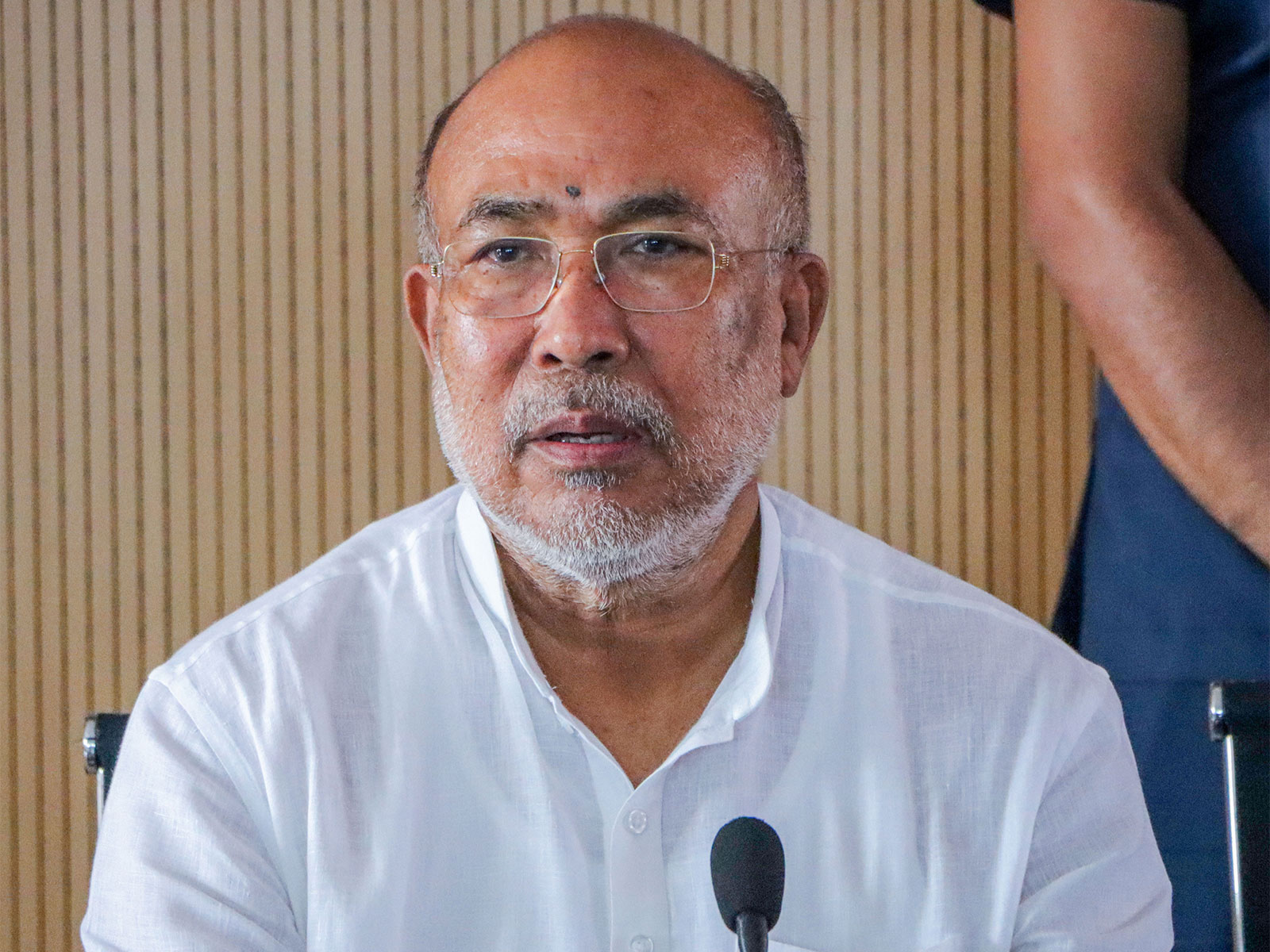
New Delhi [India], August 7 : The Central government on Friday urged the Supreme Court to dismiss a plea seeking an investigation into audio recordings allegedly implicating former Manipur Chief Minister N Biren Singh in the State's ethnic violence, asserting that a forensic examination had found the recordings to be manipulated.
Appearing before a bench of Justices Sanjay Kumar and Sanjeev Sachdeva, Additional Solicitor General Aishwarya Bhati relied on a report submitted by the National Forensic Sciences University (NFSU), Gandhinagar, to contend that the recordings were manipulated and had undergone multiple alterations.
Bhati contended that the recordings contained multiple alterations. Seeking dismissal of the petition with costs, Bhati argued that the extended audio clip recently produced by the petitioner also suffered from multiple alterations. Referring to information received from a CFSL doctor, she submitted that the recording contained 41 alterations.
The bench observed that since the latest NFSU report had now been filed, both sides should be given an opportunity to study and address its contents.
Appearing for the petitioner Kuki Organisation for Human Rights Trust, advocate Prashant Bhushan questioned the Centre's reliance on the NFSU findings and pointed to an earlier report prepared by Truth Labs, which, according to him, found a "93 per cent match" between the voices.
The bench then directed that copies of the six-page NFSU report of July 30, 2026, prepared by Dr. Surbhi Mathur, Associate Professor at the School of Forensic Science, NFSU, Gandhinagar, be supplied to both the petitioner and the Centre before adjourning the matter.
The petition, filed by the Kuki Organisation for Human Rights Trust, relied on audio recordings that allegedly capture Singh admitting that he "fuelled insurgency and protected those who looted the arms" during the ethnic violence in Manipur in 2023.
The petitioner had initially produced a 48-minute audio clip in support of its allegations. In August 2025, the Supreme Court directed the NFSU to examine its authenticity and verify whether the voice was Singh's.
The NFSU found the clip to be an edited, truncated portion of a longer recording and said it could not conclusively determine either its authenticity or the identity of the speaker.
After the petitioner later produced the complete two-hour-and-26-minute recording, the apex court in April directed the NFSU to examine the full audio and compare it with Singh's admitted voice samples.