MECHANIZED SUGARCANE HARVESTING: Indian Potash Limited’s Vision for Farmer Prosperity and Sustainable Agriculture
Oct 31, 2026
PNN
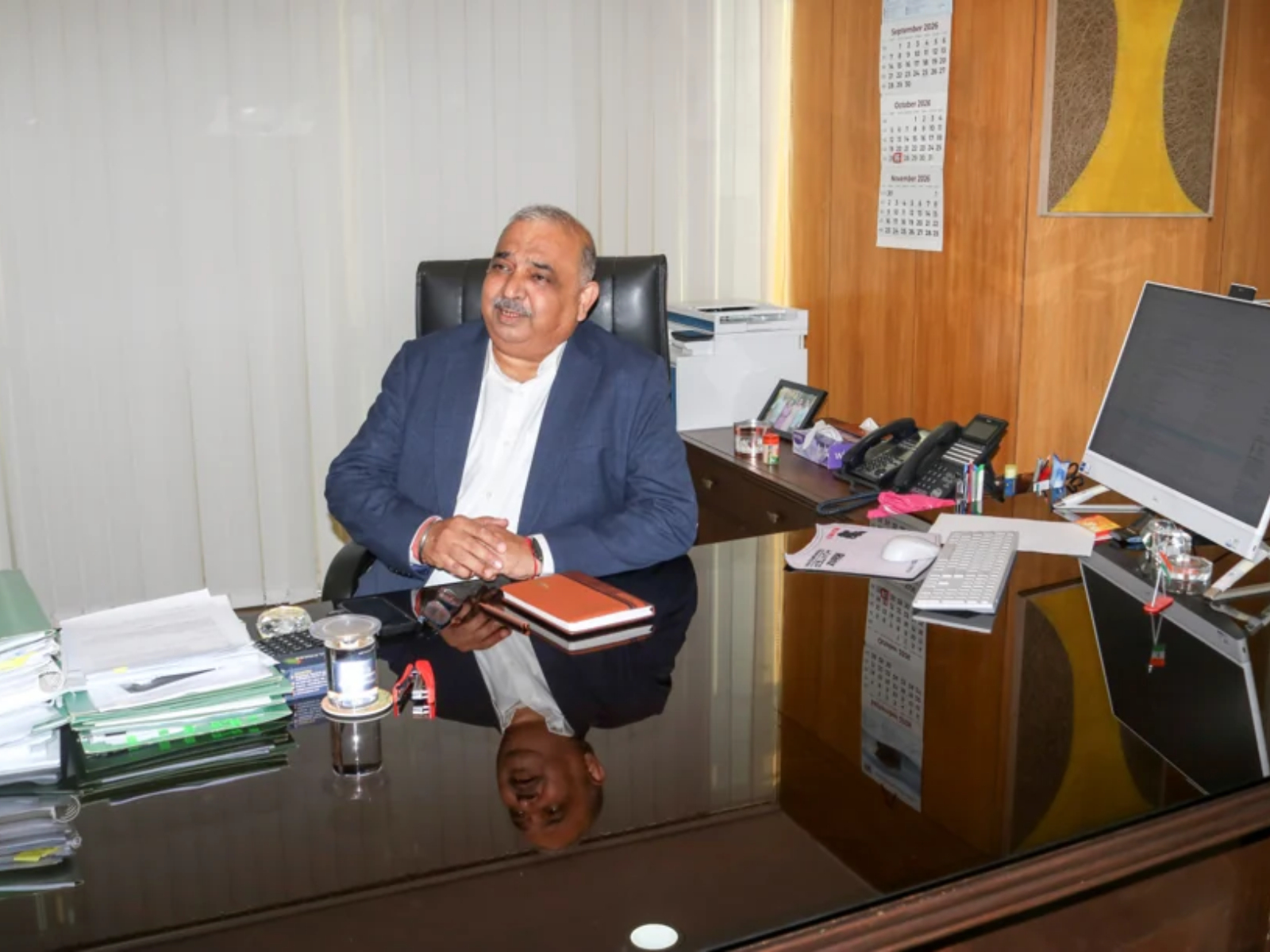
New Delhi [India], October 31: Under the leadership of Mr. S. V. Varma, Managing Director, Indian Potash Limited (IPL) is promoting mechanized sugarcane harvesting as an important initiative towards agricultural modernization, farmer welfare and sustainable cultivation. The initiative seeks to address labour shortages, rising harvesting costs and the need to complete harvesting within a limited seasonal window.
IPL is promoting an integrated approach across its sugar mills in Uttar Pradesh, Gujarat, Bihar and Odisha, combining appropriate machinery, trained operators, scientific crop management, efficient transportation and coordinated mill operations.
1. Need for Mechanized Harvesting
Traditional manual harvesting involves cutting, cleaning, stripping, arranging and loading cane, requiring considerable manpower and physical effort. Labour migration, competing employment opportunities and rising wages have made timely labour availability increasingly uncertain. Delayed harvesting can increase costs, disrupt farm planning and affect the regular supply of cane to sugar mills.
Mechanical harvesters can cut standing cane, separate leaves, chop stalks into billets and discharge the harvested material into trailers. The appropriate system—fully mechanized, semi-mechanized or manual—depends on field size, row spacing, soil conditions, crop characteristics, accessibility and mill requirements. Manual harvesting may remain suitable for small, irregular or inaccessible plots; therefore, a region-specific approach is essential.
2. Operational Efficiency and Productivity
A self-propelled automatic sugarcane harvester has an indicative capacity of approximately 10–12 metric tonnes per hour, potentially translating into 80–100 tonnes during an eight-hour working day under favourable conditions. Actual output depends on crop yield, field size and layout, operator efficiency, machine condition, trailer availability, soil conditions and movement between fields.
Mechanization can improve cutting consistency and integrate cutting, leaf separation, chopping and loading, reducing the need for certain separate handling activities. An indicative improvement of approximately 4–5% in cane weight may be achievable through closer ground-level cutting and better recovery, subject to machine calibration, field levelling and crop conditions. Trained operators, fuel, trailers, spare parts, maintenance facilities and timely transportation are essential to avoid downtime. Harvesting must be coordinated with mill cane-reception capacity.
3. Potential Economic Benefits
The economic viability of mechanization should be assessed from the farmer’s perspective. A comparison should include manual harvesting and loading charges, mechanized service fees, transportation, machine mobilization, additional handling and the value of cane recovered or lost.
Indicative benefits associated with the proposed system include:
- Stubble-management operations: potential savings of approximately ₹3,000–₹4,000 per hectare.
- Fungicide-related expenditure: potential savings of around ₹2,000 per hectare, subject to local agronomic practices and disease-management requirements.
- Weed management: potential savings of approximately ₹6,000–₹8,000 per hectare through residue mulching and reduced weed emergence.
Improved stubble management, residue retention and moisture conservation may also contribute to a 10–15% improvement in ratoon yield under favourable conditions. These are potential outcomes, not guaranteed results. Actual benefits depend on local input costs, crop conditions, harvesting practices and post-harvest management. Comparative field demonstrations should record harvesting costs, machine productivity, cane recovery, transportation expenses, residue management and subsequent ratoon performance.
4. Crop Residue Management and Soil Health
Sugarcane harvesting may generate approximately 10–15 tonnes of green tops, dry leaves and other biomass per hectare, depending on yield and field conditions. Rather than burning residues, farmers can use suitable practices such as mulching, composting and residue retention. Burning releases particulate matter and greenhouse gases, can harm beneficial soil organisms and removes organic material from fields.
Residue mulching can reduce evaporation, conserve soil moisture, moderate soil temperature, suppress weeds and add organic matter as residues decompose. It may also support soil structure, nutrient cycling and biological activity. Benefits depend on soil type, rainfall, irrigation, residue quantity and management. Appropriate cutting height, minimum stool damage, balanced nutrient application and careful machinery movement should form part of a scientific residue-management system.
5. Protection of Ratoon Crops
Ratoon cultivation is important to sugarcane farm economics because it enables subsequent harvests without complete replanting. Ratoon productivity depends on the condition of remaining stools and buds, cutting height, variety, soil moisture, nutrient availability and timely post-harvest operations. Harvesters should be adjusted to maintain suitable cutting heights and minimize stool damage. Machine traffic, particularly on wet soil, should be managed to limit compaction. Mechanization must complement balanced fertilization, irrigation, weed control and timely pest and disease monitoring.
6. IPL’s Initiative and Strategic Vision
IPL operates 13 sugar mills: six in Uttar Pradesh, three in Gujarat, two in Bihar and two in Odisha. Under the leadership of Mr. S. V. Varma, Managing Director, the company is promoting mechanized harvesting as part of its commitment to farmer welfare, agricultural modernization and sustainable cultivation. IPL has initiated efforts to deploy self-propelled automatic harvesters through its mills, helping farmers access modern harvesting technology.
Mr. Varma’s vision is to bring approximately 50% of the sugarcane area under mechanical harvesting over the next five years. Achieving this objective will require suitable machinery, trained manpower, farmer awareness, technical guidance and coordination among farmers, harvesting operations, transporters and mills. Dr. U. S. Teotia, Chief Agricultural Scientist, IPL, has been entrusted with providing technical guidance and knowledge support through field demonstrations, technical interactions and agricultural extension activities.
7. Making Mechanization Accessible
Individual ownership of sophisticated harvesters may not be financially feasible for small and marginal farmers. Custom-hiring services can provide access at an agreed service charge without requiring farmers to make the full capital investment. Farmer groups, cooperatives and Farmer Producer Organizations (FPOs) can aggregate demand and coordinate schedules, improving machine utilization and reducing unnecessary movement between fields.
A dependable service ecosystem should include trained operators and technical personnel, accessible maintenance and spare parts, reliable fuel and transport, transparent service charges and agreements, coordinated mill schedules and suitable residue-management arrangements.
8. Implementation Roadmap
1) Identify suitable fields by assessing land size, row spacing, soil and drainage conditions, crop yield, access and transport infrastructure; select the appropriate harvesting system accordingly.
2) Conduct comparative demonstrations of manual, semi-mechanized and fully mechanized harvesting, assessing costs, machine output, cane losses, transport delays, residue management and ratoon performance.
3) Strengthen custom-hiring and shared-machinery arrangements, with clear agreements on service charges, schedules, transport responsibilities, residue handling and maintenance.
4) Train operators in machine operation, cutting-height adjustment, routine maintenance, safety procedures and identification of unsuitable field conditions.
5) Coordinate machine deployment with trailers, fuel, transport schedules and mill reception capacity to minimize downtime.
6) Promote residue retention, mulching and scientific ratoon management while protecting stools and soil health.
7) Monitor harvesting cost per tonne and hectare, machine productivity, operating hours, fuel use, breakdowns, cane losses, residue utilization, stool damage, ratoon establishment, final yield and farmer satisfaction.
Conclusion
Mechanized sugarcane harvesting offers an opportunity to address labour constraints, improve harvesting timeliness and strengthen coordination between farmers and sugar mills. Its success, however, depends on more than machinery deployment: appropriate equipment, trained operators, reliable maintenance, efficient transportation, suitable field conditions and sound agronomic practices must work together.
Under Mr. S. V. Varma’s leadership, IPL is pursuing a farmer-centric and regionally appropriate approach, with the vision of bringing approximately 50% of the sugarcane area under mechanical harvesting within five years. Through phased implementation, field-level evidence, technical support, and institutional cooperation, mechanization can improve farm economics, protect soil productivity, and contribute to a more efficient and sustainable Indian sugarcane sector.
(ADVERTORIAL DISCLAIMER: The above press release has been provided by PNN. ANI will not be responsible in any way for the content of the same.)