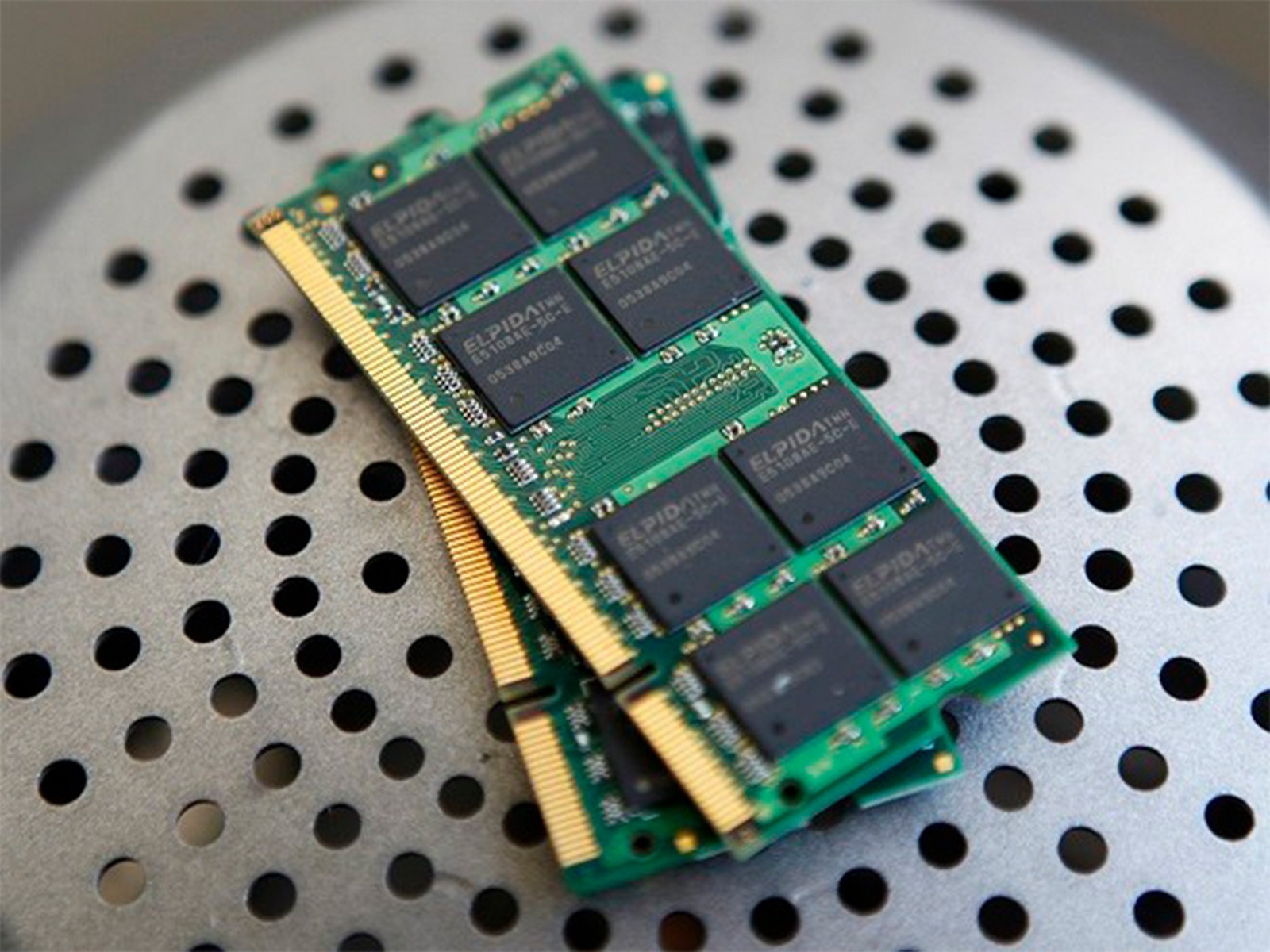
Memory boom squeezes Samsung Galaxy profits as component costs surge
Oct 08, 2026
Seoul [South Korea], October 8 : Samsung Electronics faces an unusual operational paradox where its record-breaking memory chip sales are directly squeezing profits at its flagship Galaxy smartphone division, according to a news report by The Korea Herald.
While surging memory prices propelled the South Korean tech giant towards a projected record third-quarter operating profit of 107.4 trillion won (~USD 78.8 billion), brokerages estimate that its mobile and networks businesses lost between 900 billion won (~USD 660.4 million) and 1.9 trillion won (~USD 1.39 billion) during the same period.
The deepening deficit comes despite steady shipments and strong consumer interest. The company previously recorded a 700 billion won (~USD 513.6 million) operating loss in its mobile division during the second quarter. Daishin Securities estimates that third-quarter smartphone shipments remained largely unchanged from a year earlier, with average selling prices rising nearly 3 per cent, yet handset pricing failed to keep pace with escalating component expenses.
Samsung co-CEO Roh Tae-moon addressed the pricing dilemma earlier this year during the launch of the company's latest foldables in London.
“We will not pass the full (cost) increase on to consumers,” Roh told reporters.
The new Galaxy Z8 series subsequently drew a record 1.44 million preorders in South Korea, but escalating component expenses forced the company to raise retail prices on seven-month-old Galaxy S26 devices by nearly 150,000 won (USD 112) domestically and between USD 100 and USD 200 in the United States.
Market analysts trace the smartphone division's strain directly to its market structure and cost absorption limits.
“Samsung has focused on expanding market share by limiting price increases despite soaring memory costs,” the news report quoted Eugene Investment & Securities analyst Son In-jun.
Son warned that the inability to pass on the full increase in component costs would deepen third-quarter losses. Furthermore, Counterpoint Research data shows Samsung captured just 16 per cent of global smartphone revenue in the second quarter compared to Apple's 49 per cent, reflecting heavy reliance on low- and mid-tier handsets.
“For Samsung, which relies on low- and mid-priced models to defend shipment volumes and market share, persistently high memory prices are bound to weigh on profitability,” Kim Rok-ho, a semiconductor analyst at Hana Securities, told The Korea Herald.
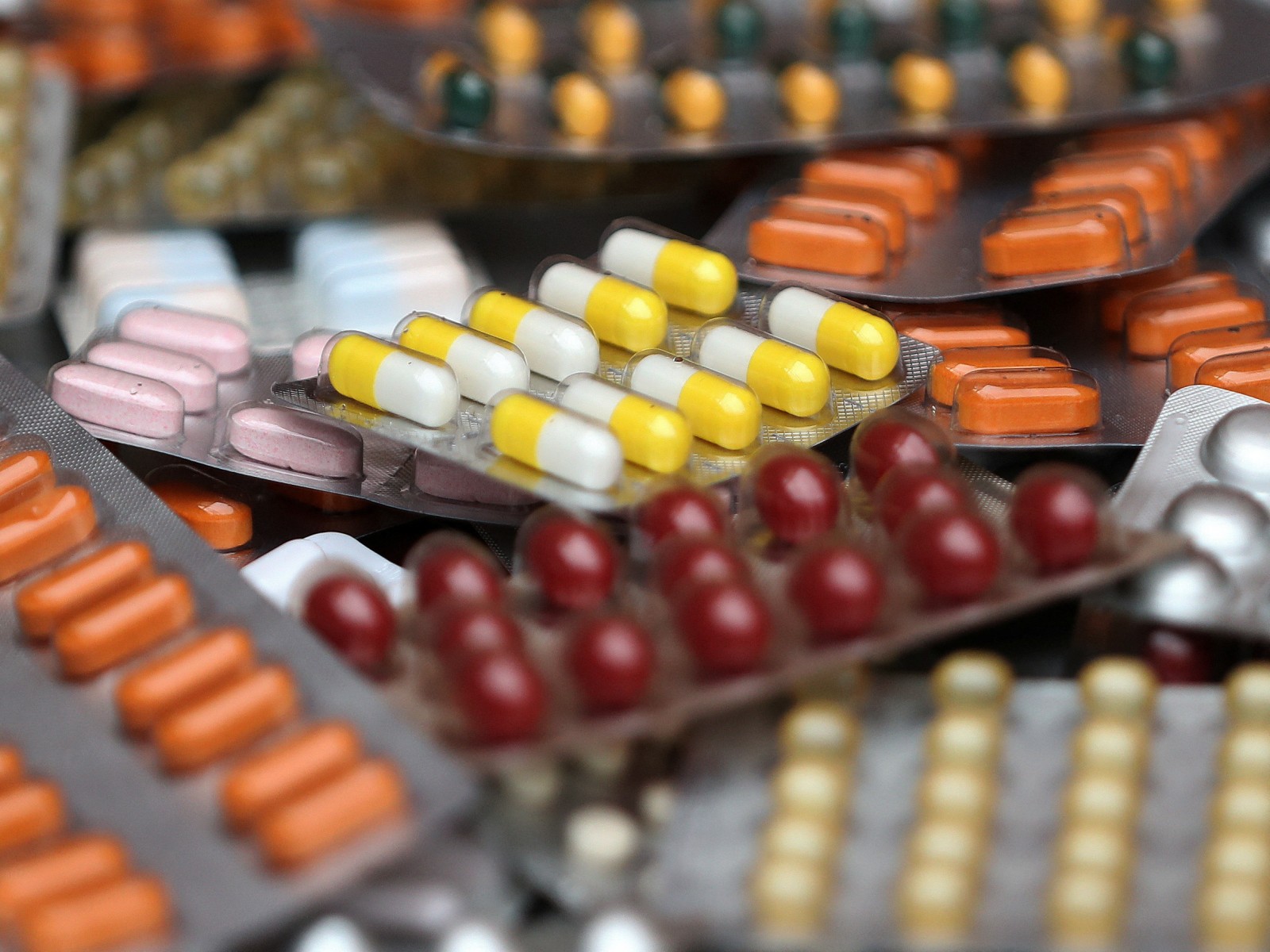
Citing estimates from Counterpoint Research, the news report noted that memory's share of component costs for a representative premium smartphone climbed to 43 per cent in the third quarter, up from 14 per cent a year earlier. This surge stems from artificial intelligence infrastructure demands, as chipmakers divert manufacturing capacity toward high-bandwidth memory and enterprise server DRAM.
“AI data centres need not just HBM but large amounts of ordinary server DRAM,” Kim said. “Manufacturers have strong reasons to direct production capacity toward those products. Making memory yourself and obtaining it cheaply are two different things.”
A Samsung representative described rising prices as an industrywide problem, noting that Galaxy sources memory from multiple suppliers.
“The important thing isn't whether Galaxy returns to profit with the S27 in the first quarter next year,” Kim said.
“It's whether Samsung can stay profitable in the second and third quarters, after the new-product effect fades,” he added.