Mist sprays, foggers, cooling pools and water-rich diets: Nandankanan Zoo preps for 'intense heat'
May 27, 2026
Bhubaneswar (Odisha) [India], May 27 : The administration of Nandankanan Zoological Park in Bhubaneswar has rolled out an extensive summer management strategy to protect its animals from the ongoing intense heat. Beyond the installation of foggers, cooling pools, and special summer diets for various species during the sweltering temperatures, the administration has intensified its seasonal preparedness to safeguard both wildlife and visitors.
Speaking to ANI, Odisha Deputy Director Pradeep Mirase described the customised approach adopted for the zoo's diverse inhabitants. 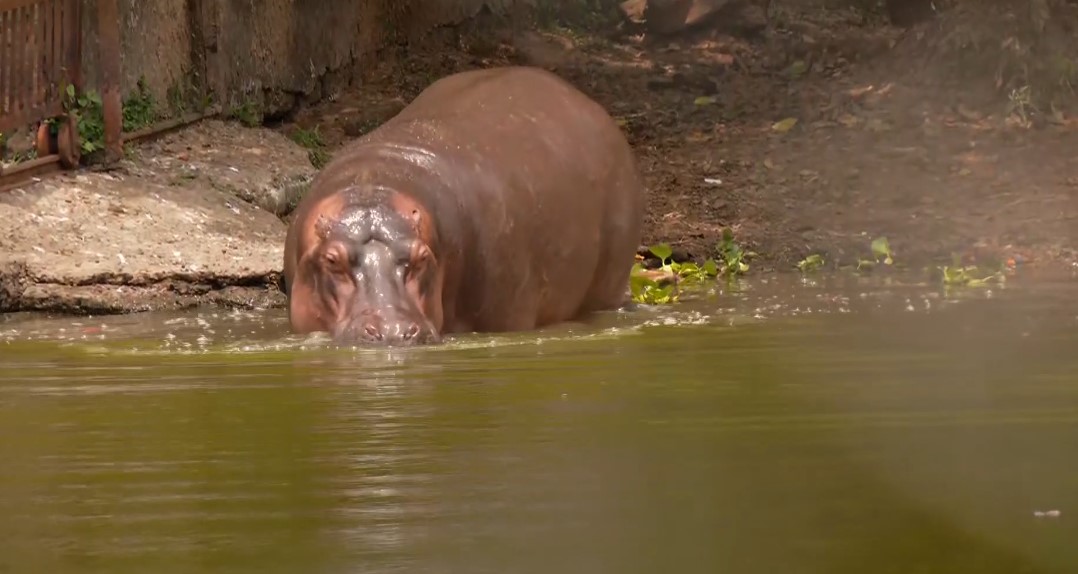
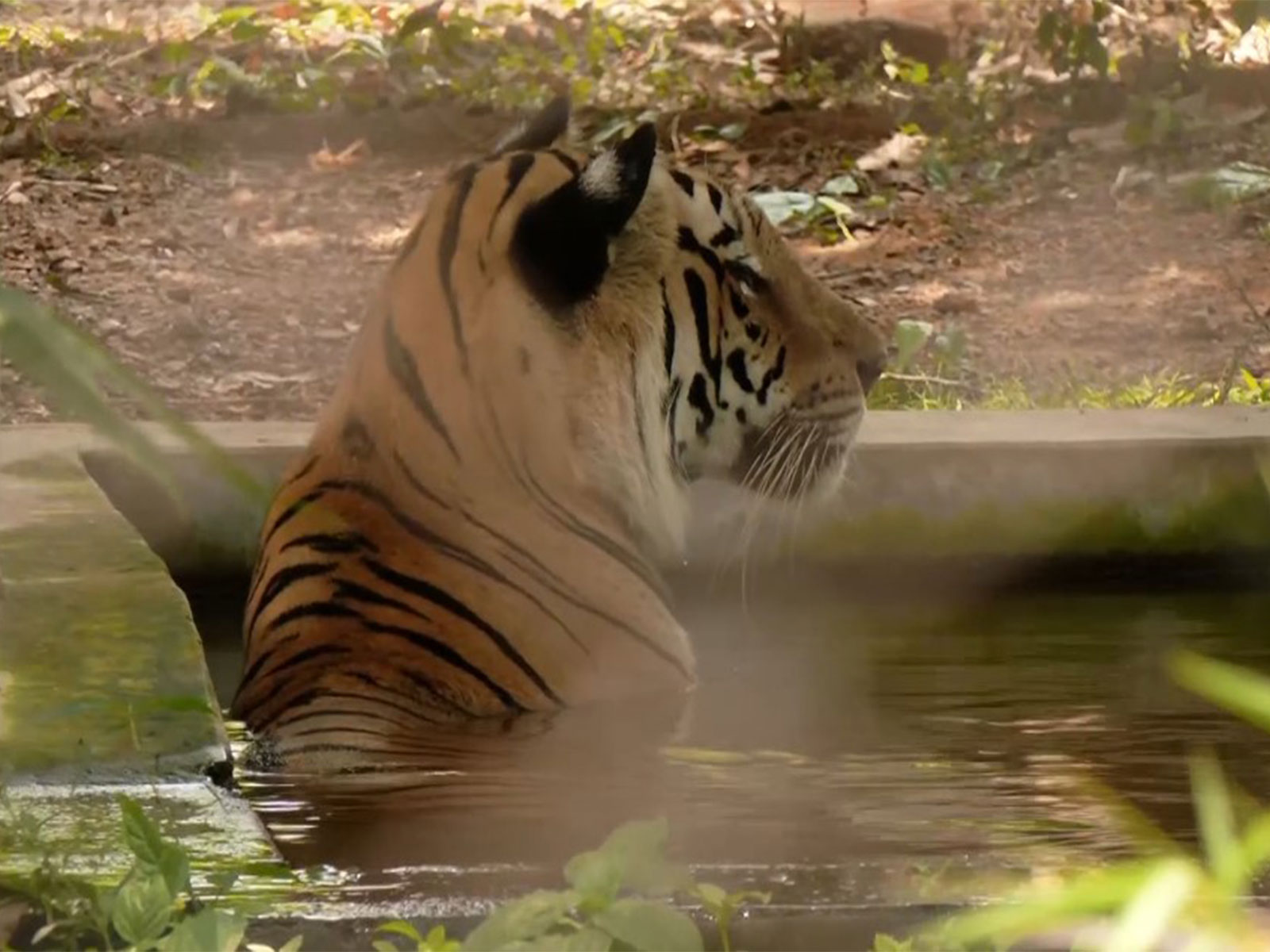
Detailing the specialised arrangements made for the park's diverse wildlife, Mirase said, "We have around 169 species in this facility, totalling approximately 4,000 individual animals. Given the intense heat prevalent in Nandankanan, we prioritised preparedness well in advance. Our strategy was tailored specifically to each enclosure, taking into account the unique needs of the animals and their respective species. For our large carnivores, such as tigers, lions, leopards, and bears, we have made specific arrangements to provide designated spaces that offer relief. These include shaded areas, as well as pools and ponds filled with water."
"Additionally, foggers and mist spray systems have been installed within their enclosures to facilitate movement," Mirase added.
Outlining the specific interventions made for smaller mammals and birds to help them endure the heat, Odisha Deputy Director said, "For the primates, in addition to mist sprays and sprinklers, we have paid special attention to their dietary needs. Beyond their standard diet, they are provided with water-rich fruits. We have made excellent water arrangements for our avian residents."
"Consequently, in all our bird enclosures, you will observe that water is available in abundance. We have also ensured ample water availability and created numerous cooling spots for the terrestrial birds," The director further said.
Highlighting the park's commitment to public safety during the peak of summer, Deputy Director Pradeep Mirase stated, "Visitor management has been a top priority for us. We have established numerous water points, and specifically, we have ensured that cold water is available at these locations. If a situation arises where crowds are swelling in a particular area and the demand for water increases, we are prepared to scale up the supply accordingly."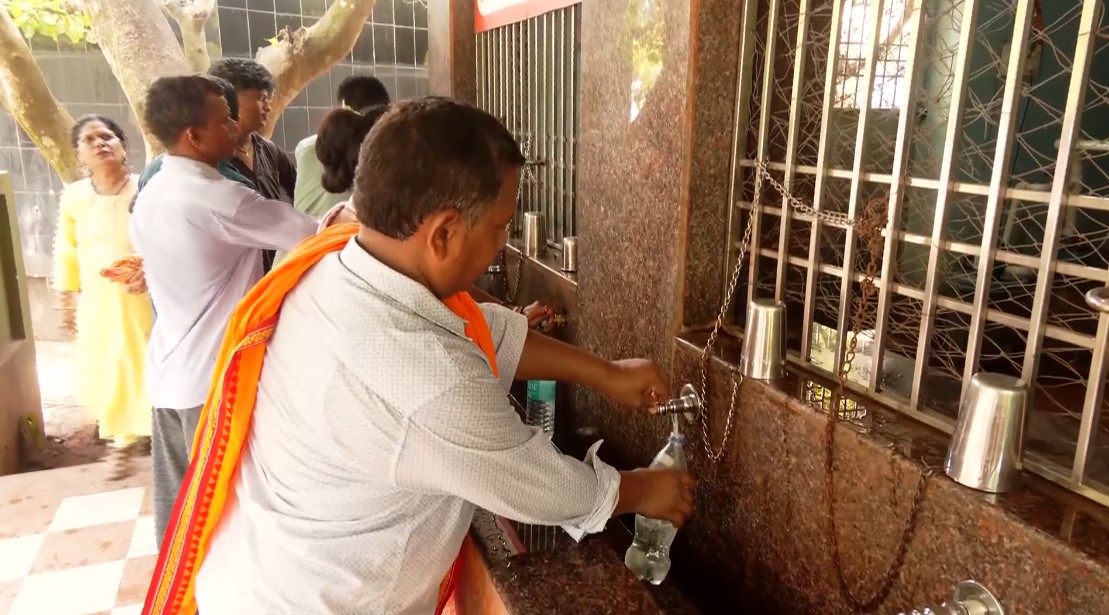
Explaining the infrastructure upgrades aimed at providing relief in high-traffic areas, Deputy Director remarked, "We have installed fans to ensure proper ventilation, and in areas experiencing particularly heavy footfall, such as the entry points and other key spots, we have also installed mist foggers to provide visitors with some much-needed relief from this sweltering heat."
Weather officials in eastern India issued "orange" alerts for several districts on Tuesday as a blistering heat wave swept through the state of Odisha, with temperatures already surpassing 113 degrees Fahrenheit (45.2 degrees Celsius).
In an official release, the India Meteorological Department (IMD) warned that "severe heat wave" conditions are expected to persist through at least May 28. The highest alerts are currently in place for the districts of Jharsuguda, Sambalpur, Bolangir, and Boudh.
In Jharsuguda, the mercury hit 113.4 F on Monday, the highest recorded temperature in the state so far this season. Officials said temperatures in several areas are running 3 to 4 degrees Celsius above normal.
The extreme weather has prompted local authorities to issue urgent health advisories. Residents have been urged to avoid outdoor activities between 11 a.m. and 3 p.m., when the sun is at its strongest.
"High temperature increases the likelihood of heat illness symptoms in people who are exposed to the sun for a prolonged period," the IMD said in a statement. "There is a high health concern for vulnerable people, including infants, the elderly, and people with chronic diseases."
In addition to the dry heat in the interior, coastal districts--including the major hubs of Cuttack and Puri--are grappling with "hot and humid" conditions. In the coastal town of Puri, high humidity has forced the fire service department to deploy water misters to cool devotees visiting the historic Jagannath Temple.