New B-21 Raider stealth bomber to reduce mid-flight refuelling demand, free up tanker assets and boost US deterrence: USAF
Apr 15, 2026
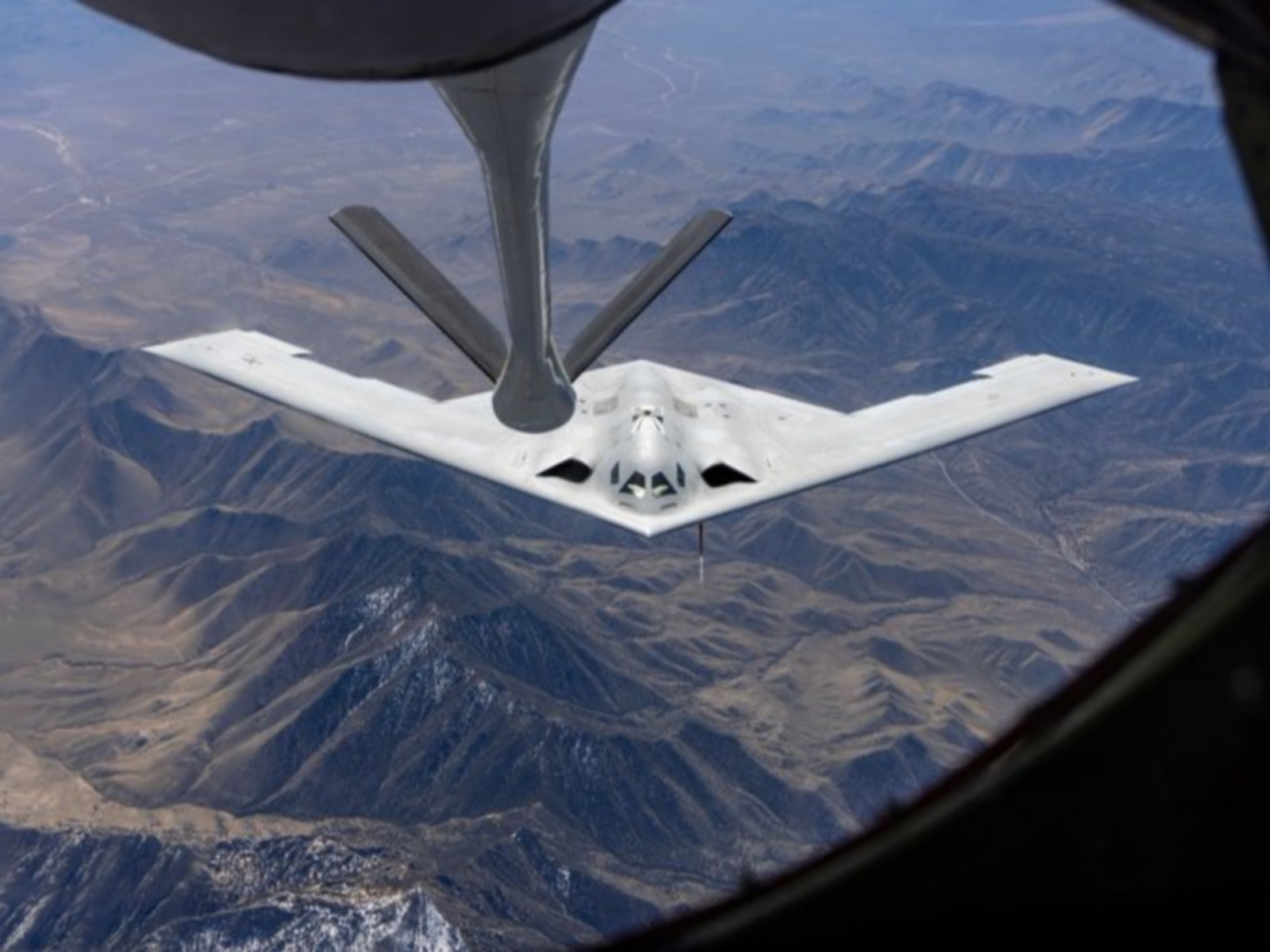
Arlington [US], April 15 : The United States Air Force (USAF) has put the spotlight on its next-generation stealth bomber, the B-21 Raider, after a key mid-air refuelling test, with officials saying the aircraft will reduce pressure on tanker fleets and strengthen deterrence.
This in-flight refuelling test for the Raider is a big step forward for a long-range strike platform that can operate over enormous distances.
The B-21 conducted aerial refuelling with a KC-135 Stratotanker.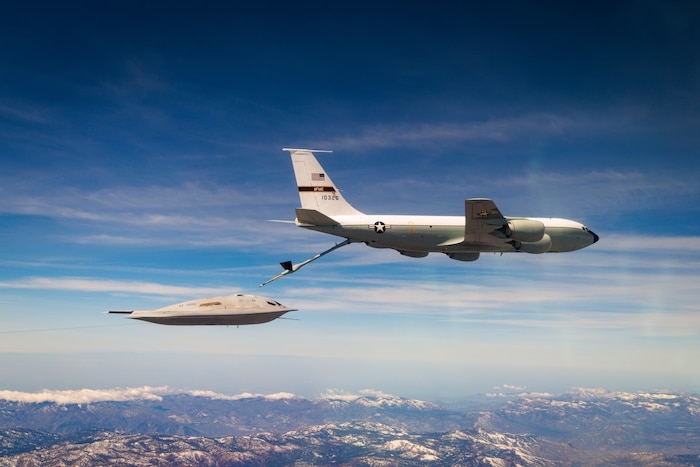
Adding to the worth of the aircraft, US Air Force Chief Ken Wilsbach said, "This long-range strike bomber will reduce the demand on our tanker fleet and free up assets to support the joint force. This will provide a wider range of employment options and the deterrence our nation requires."
The emphasis on reducing tanker demand comes at a time when the US military has faced strain on its aerial refuelling fleet, which remains critical for sustaining global air operations.
Officials said the ability to refuel mid-air is central to the B-21's role, allowing it to stay airborne for longer durations and carry out missions deep inside contested areas. The bomber is also designed to be more fuel-efficient than legacy aircraft, further easing pressure on support systems.
"The B-21 program is the leading edge of the acquisition mindset we are instilling across the force. Every test proves the success of empowering our leaders to deliver integrated capability from the start," said General Dale White, US Department of War direct reporting portfolio manager for critical major weapons systems.
He added, "The program's use of digital engineering and modern production processes is delivering a mature, highly capable system, giving us confidence as we continue to smartly scale our production capacity at the speed of relevance."
The US Air Force said the B-21 is being built for high-threat environments and will be capable of carrying both conventional and nuclear weapons, making it a key part of the country's nuclear triad.
Officials also stressed the importance of endurance and readiness.
Commander of Air Force Global Strike Command, General SL Davis, said, "For our bomber crews and the combatant commanders they support, this is about endurance and mission readiness. This capability ensures we can deliver penetrating long-range strike anywhere in the world, at any time. We are strengthening the capabilities of our bomber force and putting a highly effective and lethal weapon system into the hands of our warfighters."
The ongoing testing program at Edwards Air Force Base, involving the Air Force Test Center, the 412th Test Wing, and Northrop Grumman, is designed to accelerate the bomber's entry into operational service.
The focus on tanker efficiency comes in the backdrop of recent incidents involving the KC-135 fleet.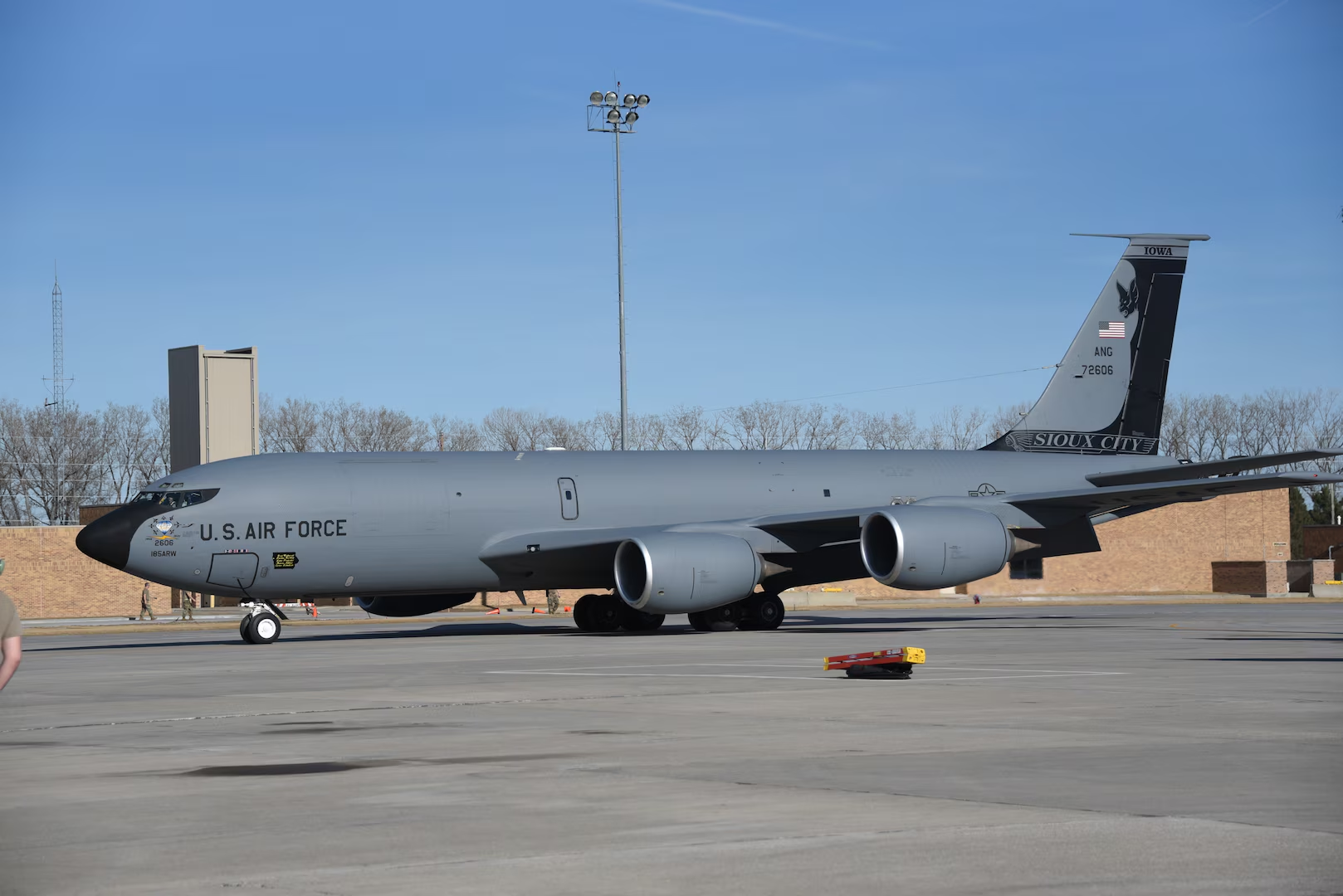
Earlier, the United States Central Command, back on March 14, had confirmed that all six crew members aboard a KC-135 refuelling aircraft that crashed in western Iraq on March 12 have died.
According to US Central Command (CENTCOM), the aircraft was lost while flying over friendly airspace during Operation Epic Fury. "The aircraft was lost while flying over friendly airspace March 12 during Operation Epic Fury. The circumstances of the incident are under investigation. However, the loss of the aircraft was not due to hostile fire or friendly fire," the command said.
Officials added that two aircraft were involved in the incident, with one going down in western Iraq while the other landed safely. However, Iran's state media provided a conflicting account, asserting that resistance groups shot down the aircraft.
The Islamic Revolutionary Guard Corps also claimed that its allied air defence systems had targeted aircraft. Further, as per Iranian claims, the aircraft took the shot while it was refueling a fighter jet.
Furthermore, a KC-135 Stratotanker damaged in an Iranian strike was recently spotted landing in the United Kingdom with visible shrapnel patch repairs.
The sight underlines the strain on the ageing stratotanker fleet.
Such incidents highlight the vulnerability of these critical assets. The US has already started retiring some older Stratotankers, with several aircraft being sent to storage facilities, often referred to as the "boneyard", where they may be used for spare parts or kept in reserve.
In a statement during the retirement of a 65-year-old Stratotanker with tail number 57-2606, the Iowa Air National Guard had said, "Parts of 2606 will continue to live on as they are dispersed from the boneyard where they will help keep a shrinking KC-135 fleet aloft for years to come."
The US currently operates around 400 KC-135 aircraft. The first stratotankers were inducted into its air force back in the 1950s.
While newer Block 45 variants feature improved avionics, the US Air Force is also inducting a more advanced KC-46A Pegasus to gradually modernise its tanker fleet.