New US visa rule raises financial burden for international students, increases hiring pressure
Jul 18, 2026
By Nikhil Dedha
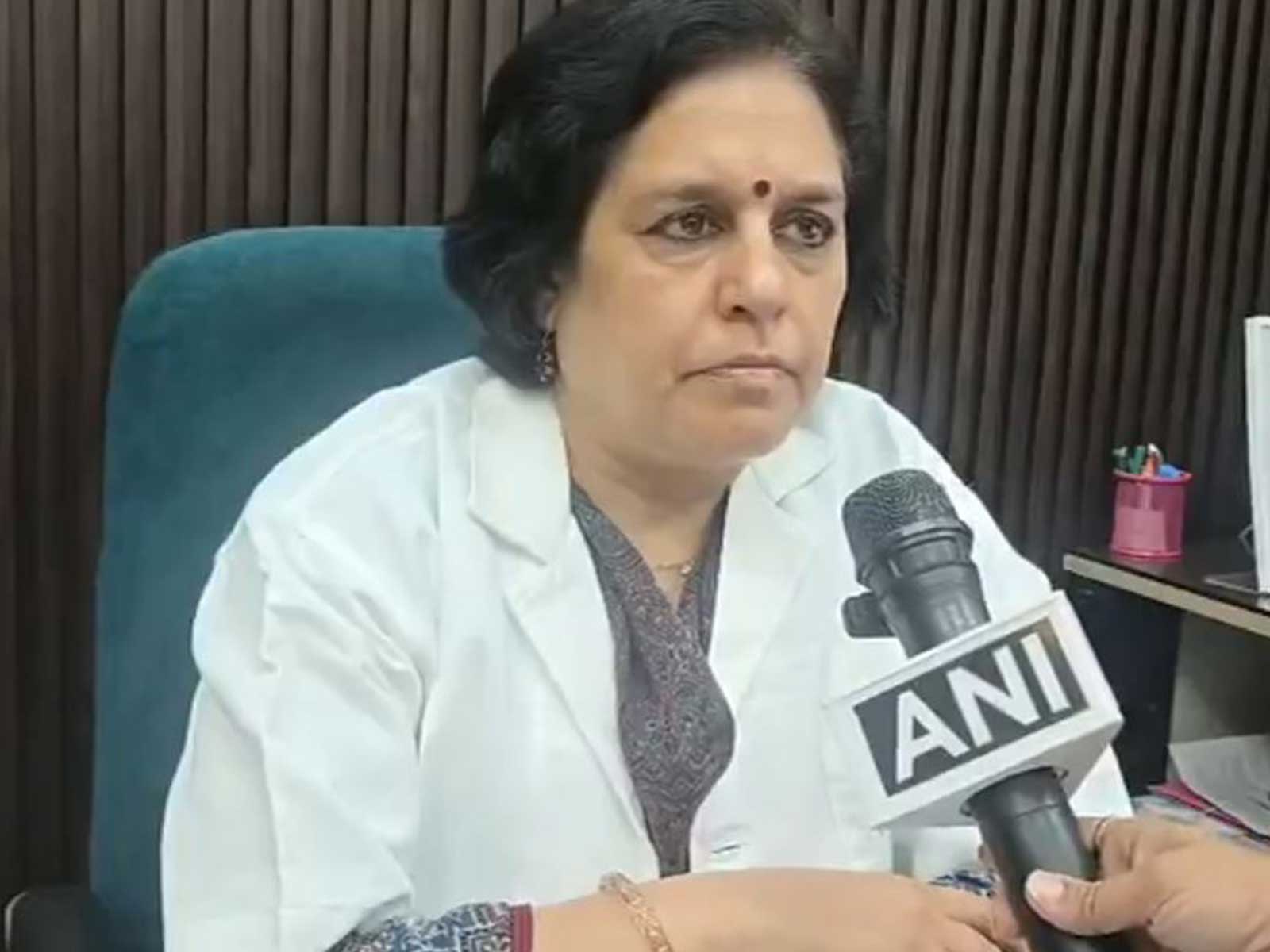
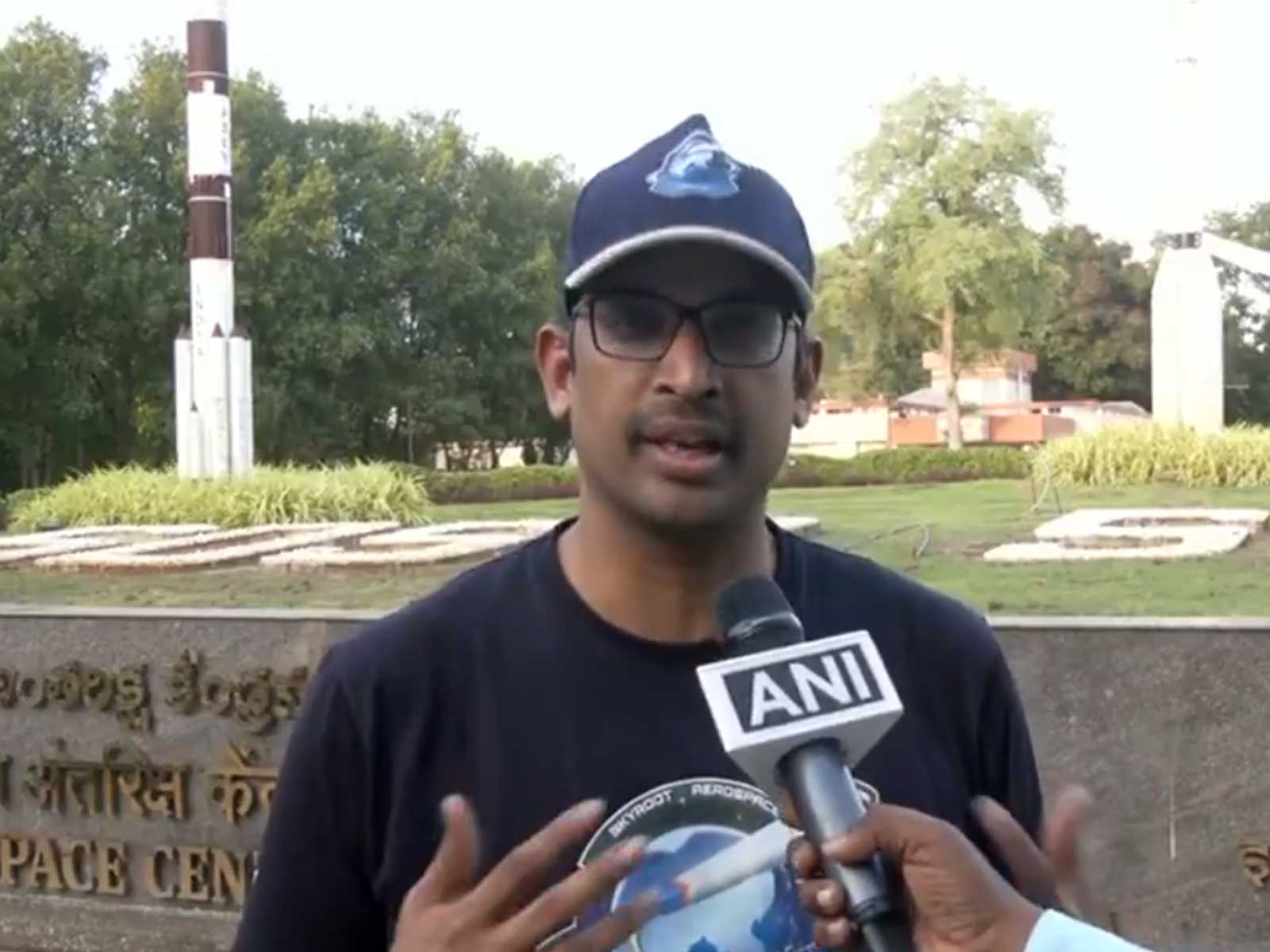
New York [US], July 18 : The US government's latest changes to student visa rules are set to increase both the financial burden and administrative hurdles for international students, including those from India, while also requiring them to secure jobs and employer sponsorship much earlier than before, Danielle Goldman, Co-founder and CEO of Build Talent Labs, said in an exclusive interview with ANI.
The US Department of Homeland Security (DHS) recently published a rule ending the long-standing "duration of status" framework for F, J and I visa holders. Under the new policy, F-1 students and J-1 exchange visitors will be admitted for a fixed period instead of being allowed to remain in the US for the duration of their academic programme.
Students requiring additional time will now have to apply directly to the US Citizenship and Immigration Services (USCIS) for an extension.
The rule also reduces the grace period after Optional Practical Training (OPT) from 60 days to 30 days and restricts the use of Day 1 Curricular Practical Training (CPT) for students pursuing a second degree at the same academic level.
Speaking to ANI, Goldman said the changes would significantly increase costs for international students.
"This is forcing international students to pay an extra USD 300 to USD 500 in filing fees, plus another USD 1,900 in premium processing if they want a response prior to five months. So this is creating more financial pressure for students and frankly, the US government saying, we believe there's money to be made here and we're going to implement this," she said.
According to Goldman, the new system means students can no longer rely on universities to process extensions through the SEVIS system and must instead navigate a lengthier USCIS approval process, requiring them to plan their careers much earlier.
She said students, particularly those targeting careers in technology and artificial intelligence, would need to secure job offers and employer sponsorship months before graduation to avoid falling out of status under the shorter grace period.
Goldman also said the restrictions on Day 1 CPT programmes would remove a commonly used backup option for many international graduates who fail to secure an H-1B visa through the annual lottery, making it more difficult for companies to retain foreign talent.
Calling the move a "money grab", Goldman said the new process creates additional financial pressure on international students by shifting visa extension approvals from educational institutions to the federal immigration system.
Despite the tighter rules, Goldman said students still have several options to continue building careers in the US if they prepare early.
She advised international students to start discussions with prospective employers well before graduation and develop multiple contingency plans. These include pursuing cap-exempt H-1B sponsorship through eligible organisations, spending one year outside the US to qualify for an L-1 intra-company transfer visa, or building qualifications for an O-1 visa for individuals with extraordinary ability.
She stated, "Students are going to need to come proactively to companies and say, here are my three options in case I don't win the lottery. Option A, I can work for a CAP exempt organization part-time like Build Fellowship, and you can sponsor me full-time for a CAP exempt H1B as well. Option two, I'm willing to go outside the US for one year and you can make sure we structure this so that I am eligible for an L1 upon returning. Option C, I am going to spend the next year building up my O1 case. after OPT expires, I am ready to do my O1".
She also said students seeking greater flexibility could consider obtaining O-1 visa sponsorship through an authorised agent rather than relying solely on an employer, allowing them greater control over their immigration status.
"Immigration is not going away in this country, but it is getting harder," Goldman told ANI, adding that international students would need to become far more proactive in planning their education, employment and immigration strategies under the new regime.