"No change": India reaffirms Indus Waters stance, slams Pakistan after Sharif's "red-line"warning
Aug 14, 2026
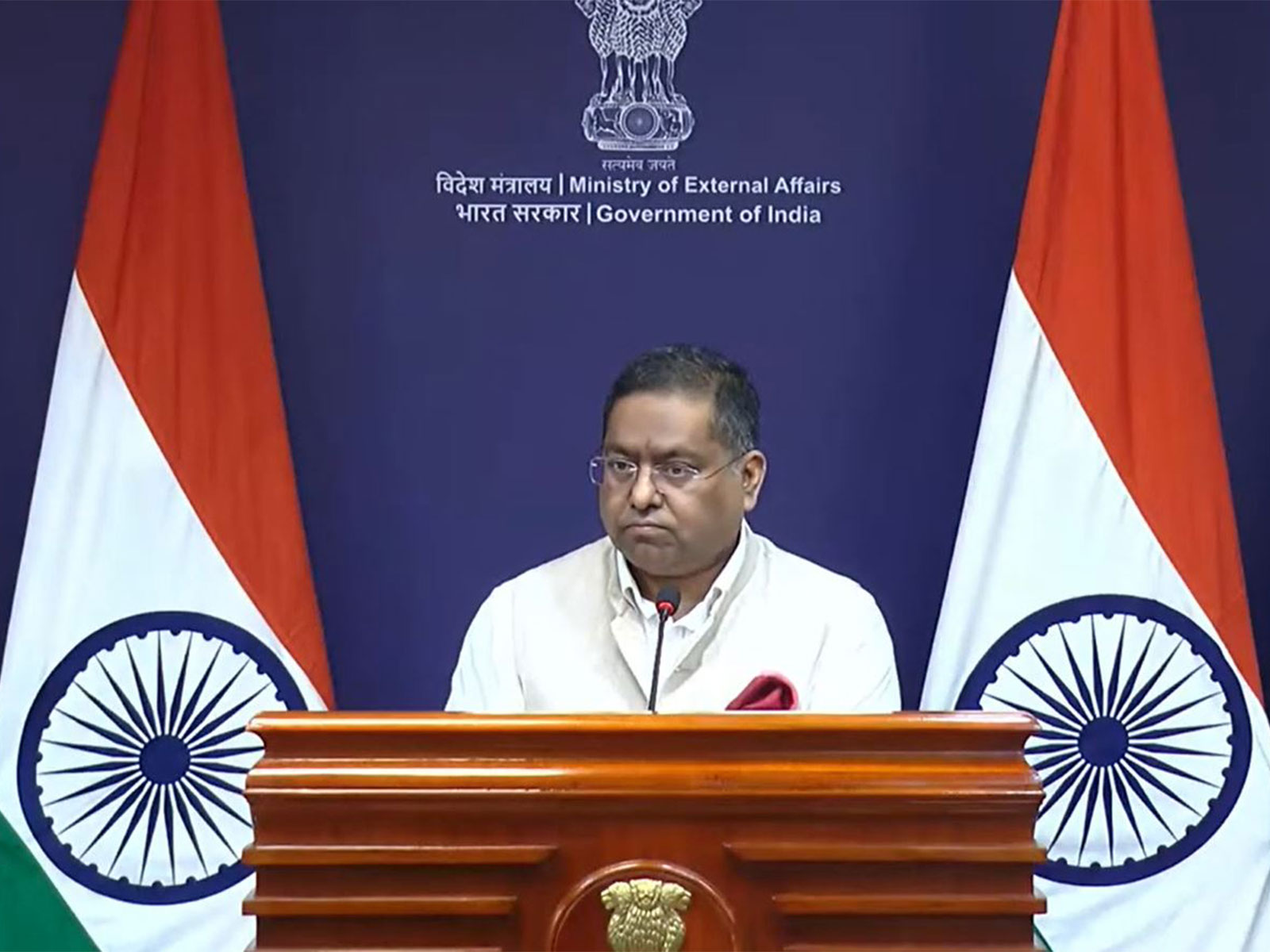
New Delhi [India], August 14 : Reiterating New Delhi's uncompromising stance against cross-border terrorism, the Ministry of External Affairs (MEA) on Friday affirmed that India's position regarding the Indus Waters Treaty remains completely unchanged, giving a stern response to aggressive threats issued by Pakistan Prime Minister Shehbaz Sharif over water sharing.
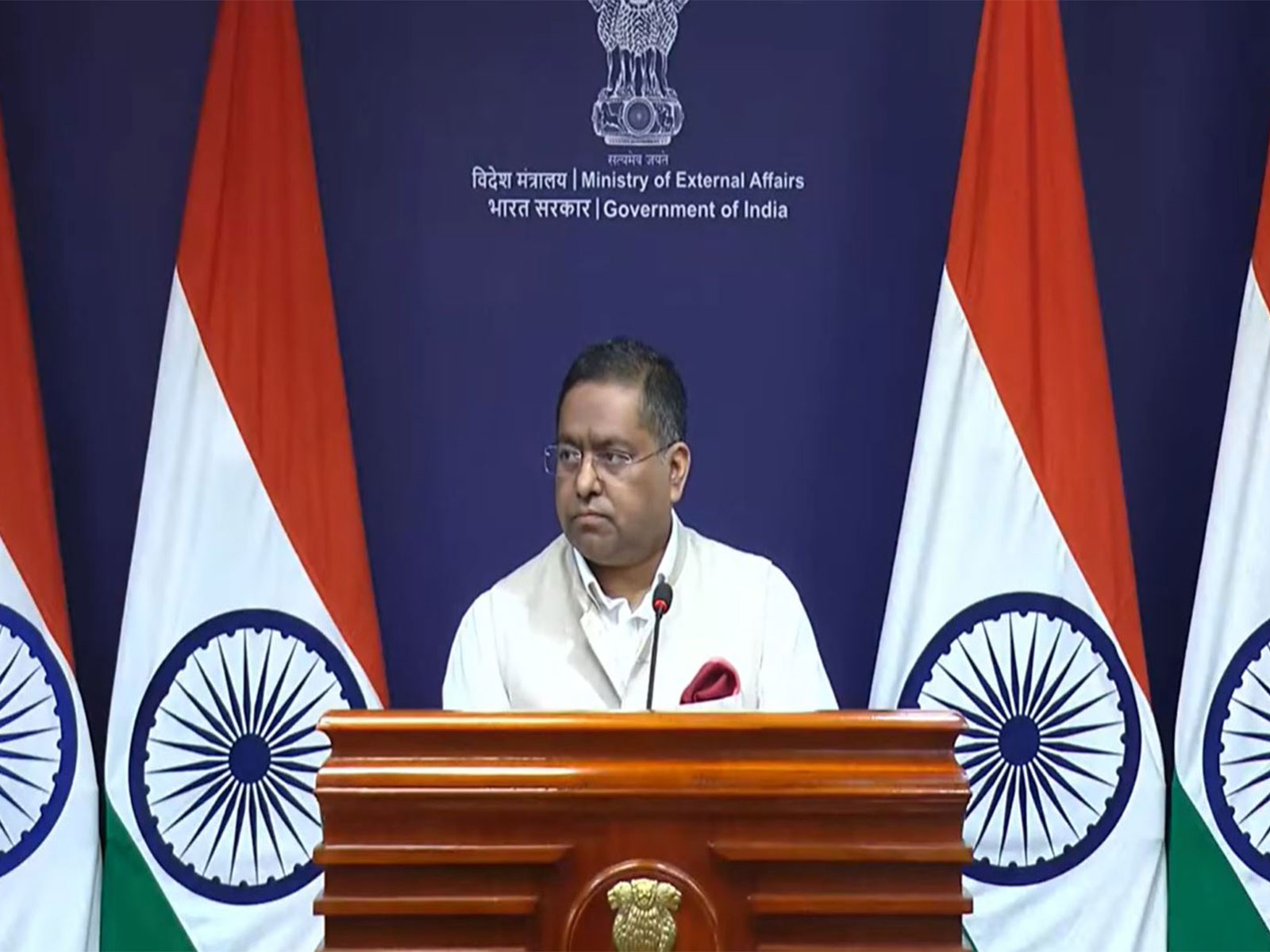
Dismissing rhetoric from Islamabad during a weekly press briefing, MEA spokesperson Randhir Jaiswal stated, "There is no change in the way we think."
The robust Indian response comes after the Pakistan Prime Minister's Office claimed Sharif had accused India of "unilaterally and illegally" suspending the accord and declared the nation's water supply as a "red line".
"The Prime Minister said that India has proven itself an enemy of peace by unilaterally and illegally suspending the Indus Waters Treaty. He announced that every drop of Pakistan's water is our red line. There will be no compromise on the water issue. If India does not come to the right path, we will give it a direct response," the Pakistan Prime Minister's Office had posted on X.
In previous official statements, Islamabad had similarly highlighted Sharif asserting that "every drop of Pakistan's water is our red line" and claiming there would be "no compromise" on the matter.
India took the decisive step to place the 1960 agreement in abeyance in the aftermath of the barbaric Pahalgam terror attack in April 2025, in which 26 innocent civilians were brutally killed by cross-border terrorists operating from Pakistani soil.
The Pakistani-backed Pahalgam terror attack triggered severe cross-border hostilities. Demonstrating strong military resolve, India launched Operation Sindoor in retaliation to strike terror infrastructure, with active military exchanges continuing until May 10, when a desperate Pakistan was forced to seek a ceasefire.
Executed in September 1960, the Indus Waters Treaty was designed to govern the sharing of the Indus River system between the two countries.
Jaiswal also delivered a sharp rebuttal to remarks made by Norway's Foreign Minister Espen Barth Eide, who had raised regional matters, including Jammu and Kashmir, during a visit to Islamabad.
Reaffirming India's complete territorial sovereignty, Jaiswal stated, "The whole of Jammu, Kashmir and Ladakh are integral and inalienable part of India."
Turning the spotlight squarely on Pakistan's human rights abuses and state-sponsored proxy warfare, the MEA spokesperson added, "The issue that should concern the international community are the atrocities currently being perpetrated in the illegal Pakistan-occupied Kashmir and the use of Pakistan-occupied Kashmir for cross-border terrorism."
While New Delhi has firmly linked the treaty's revival to Islamabad taking concrete steps to stop cross-border terrorism, a desperate Pakistan continues to push its claims over what Sharif termed its "red line".