No PUC, no fuel: Delhi Transport Minister Pankaj Kumar Singh urges compliance as strict enforcement underway
Oct 01, 2026
New Delhi [India], October 1 : In a bid to curb vehicle emissions and tackle air pollution in the capital, the Delhi government has intensified its enforcement of the "No PUC, No Fuel" policy, making a valid Pollution Under Control (PUC) certificate strictly mandatory for purchasing petrol or diesel.
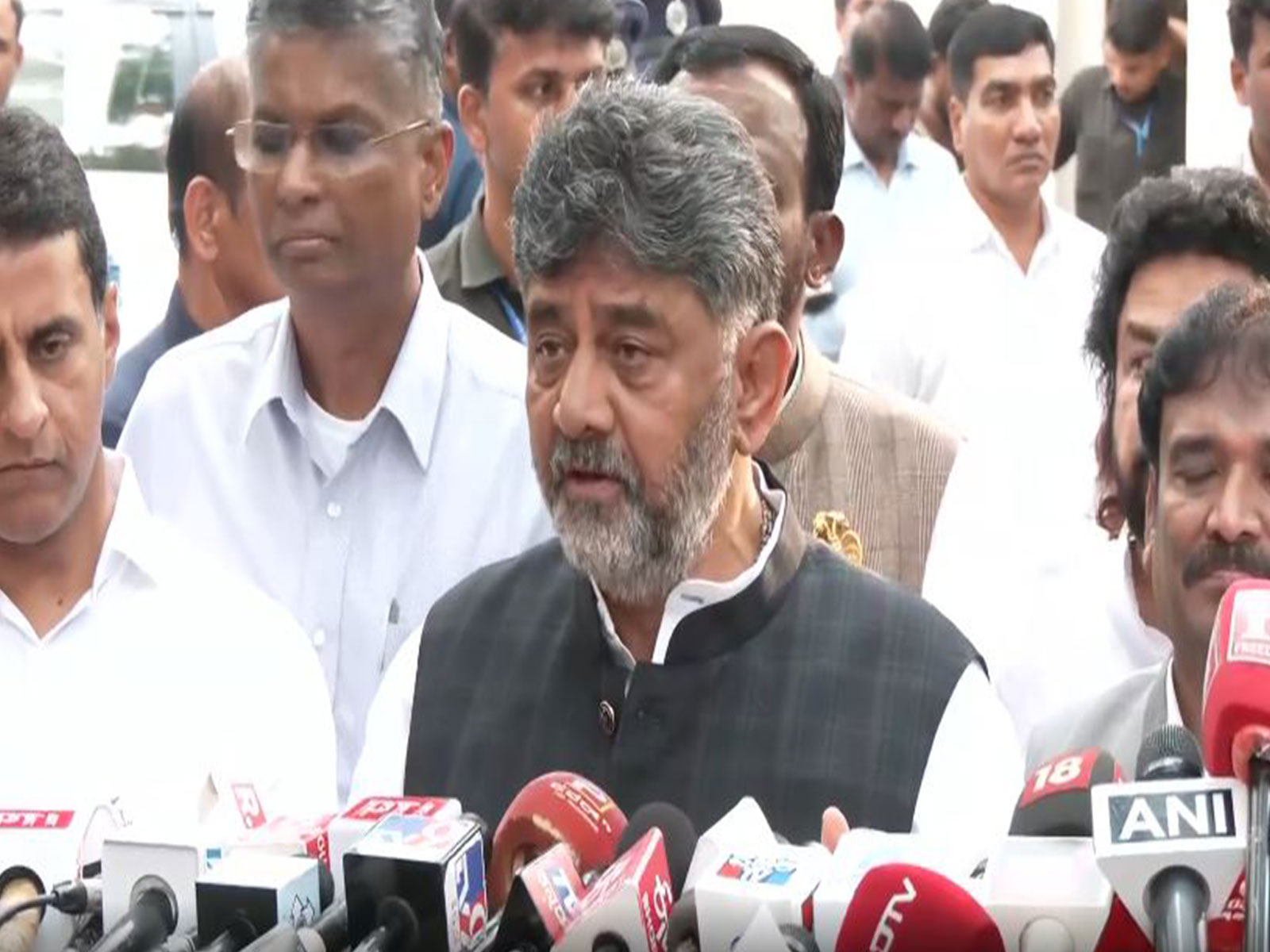
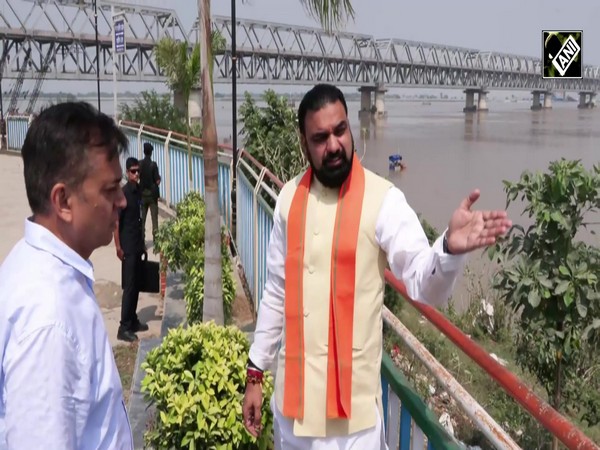
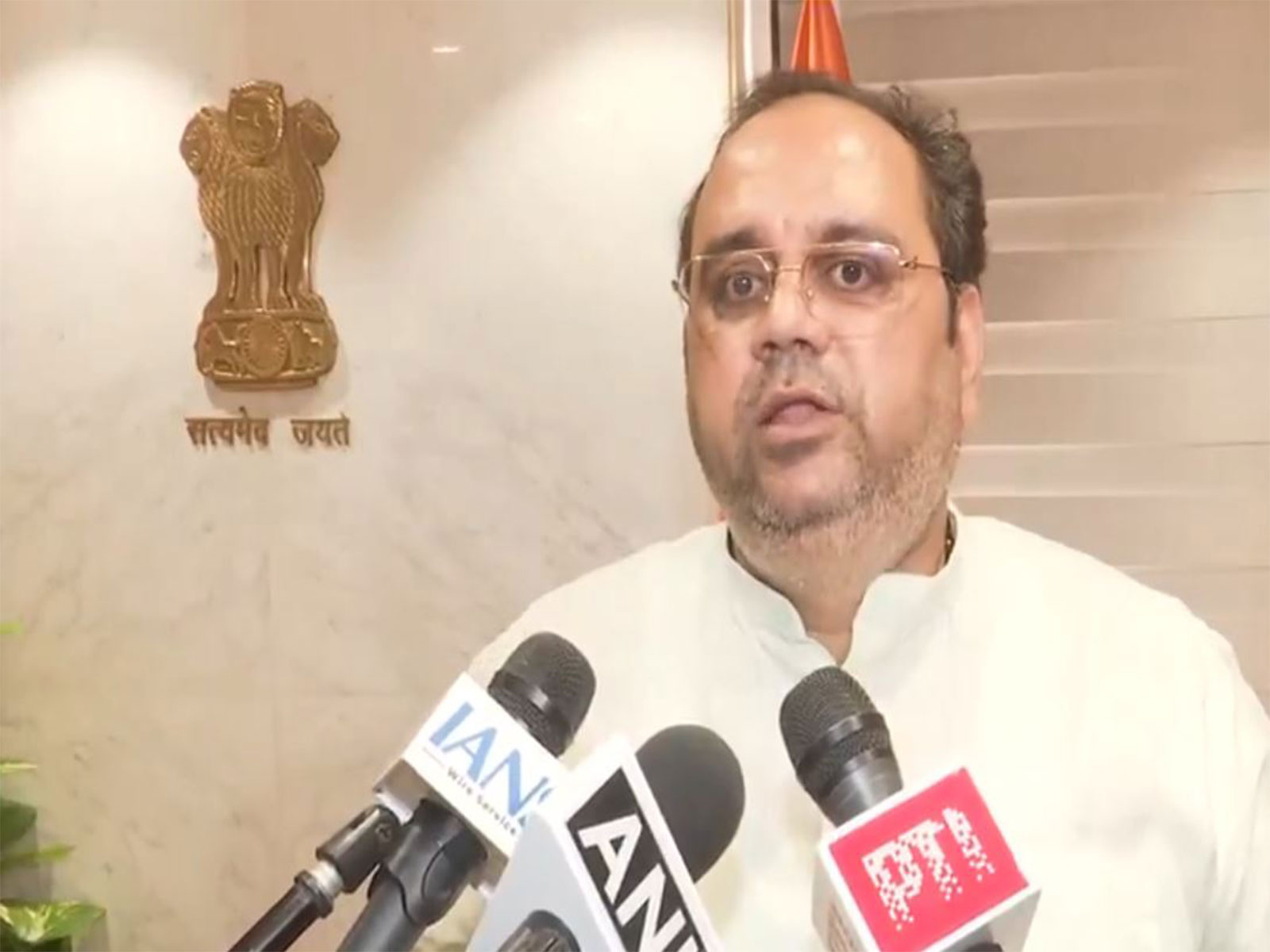
Speaking on the ongoing crackdown, Delhi Transport Minister Pankaj Kumar Singh urged commuters across the city to get their vehicles tested immediately to avoid inconvenience and penalties.
"Our 'No PUC, No Fuel' campaign is currently underway. I would urge the people of Delhi to obtain a PUC certificate. If they do not have a PUC certificate, they will not get fuel and indeed, they are not getting it," Singh stated.
To ensure strict compliance across fuel stations, the Transport Department is stepping up monitoring and taking direct action against violators.
"Furthermore, the Delhi Government's Transport Department will take specific action to ensure that no one receives petrol or diesel without a PUC certificate," Singh added.
Under the initiative, fuel pump operators across Delhi have been instructed not to dispense fuel to vehicles lacking a valid PUC certificate. The Transport Department, along with enforcement teams, is conducting checks to guarantee that petrol pumps adhere to the directive.
Vehicle owners are advised to carry an updated PUC certificate or renew it at authorised testing centres located across petrol stations in the city before heading out to refuel.
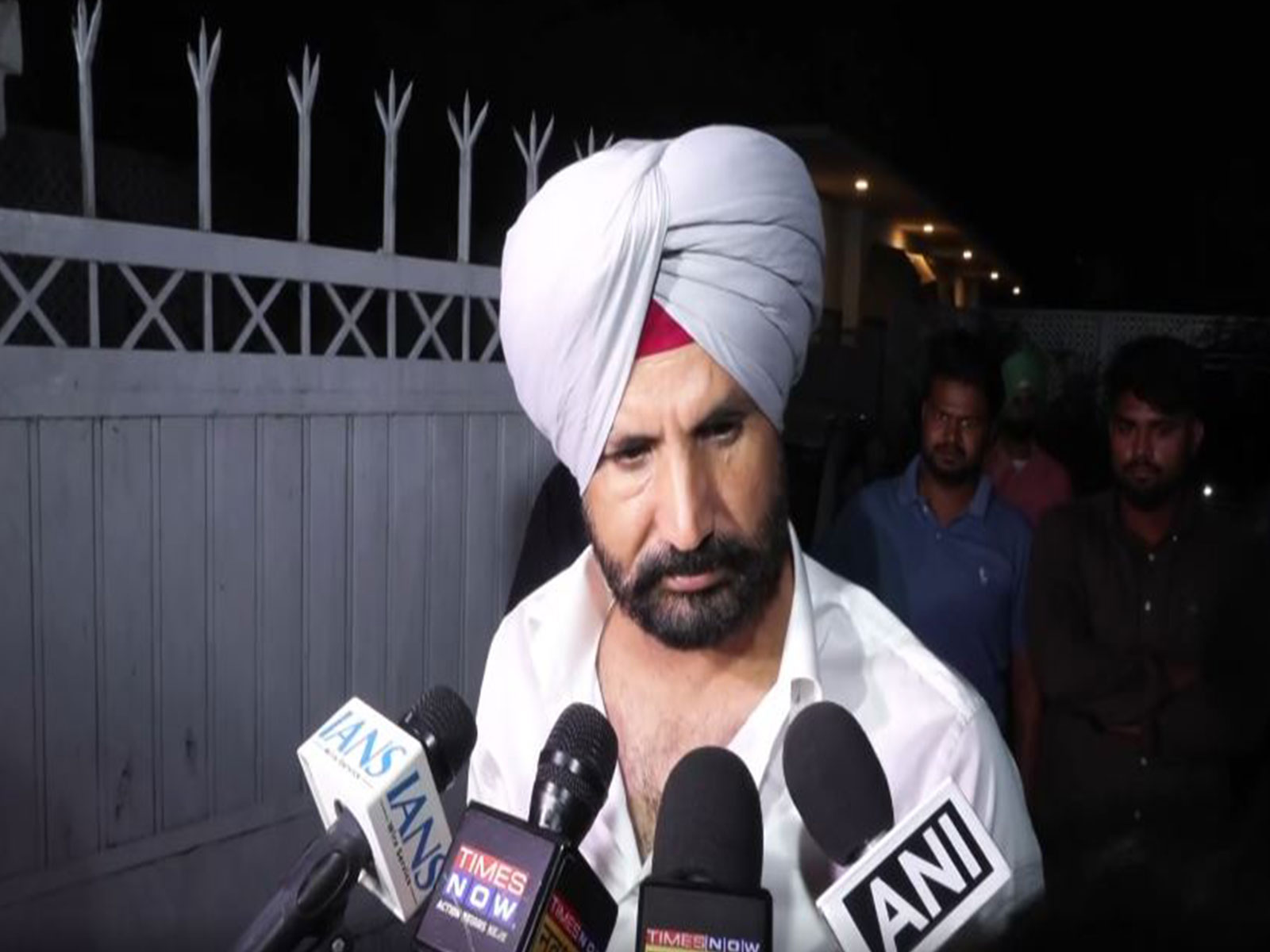
Meanwhile, Environment Minister Manjinder Singh Sirsa elaborated on the technological integration backing the policy, noting that Automatic Number Plate Recognition (ANPR) cameras are now tracking compliance at fueling stations to prevent unauthorised refuelling.
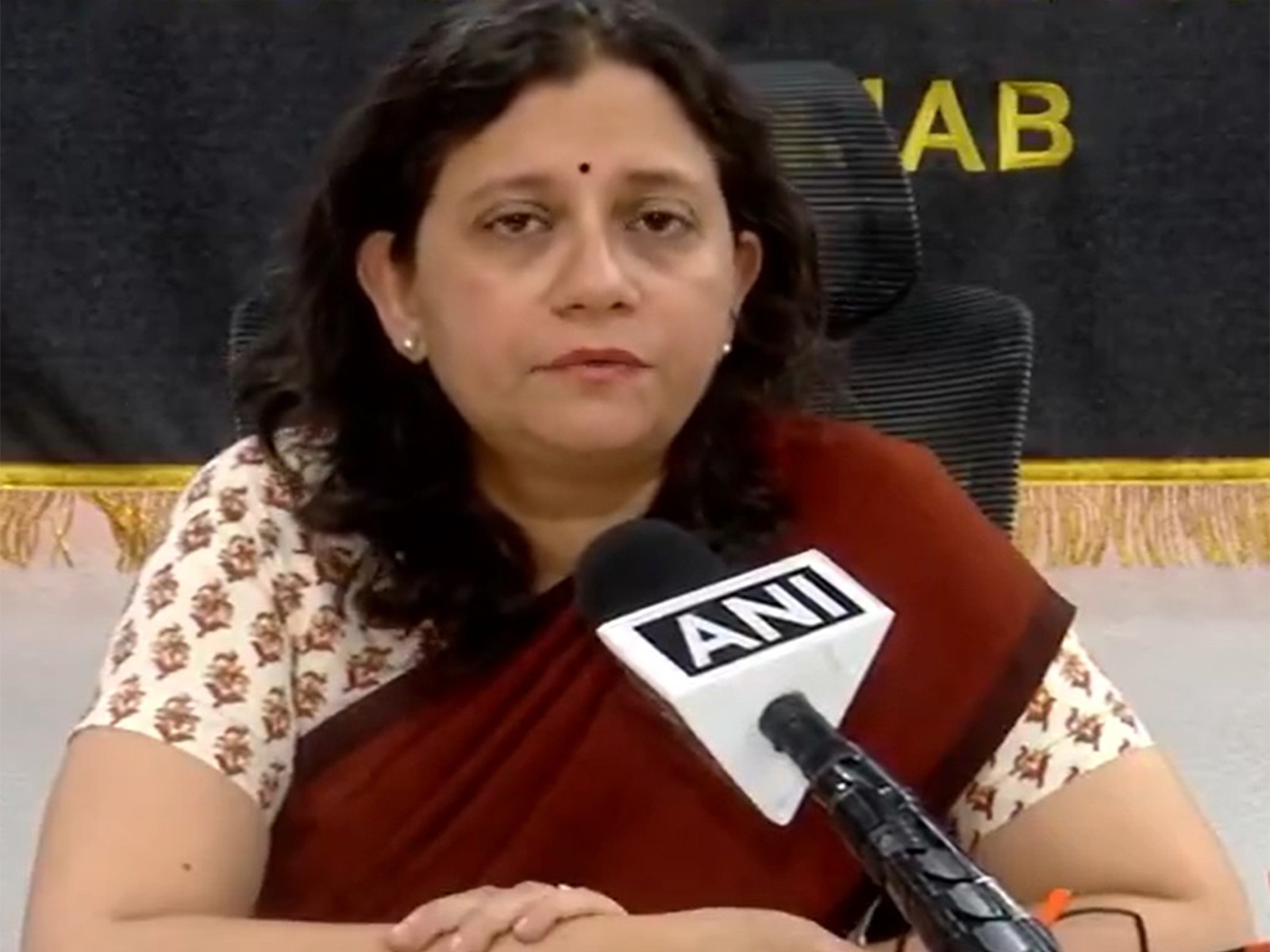
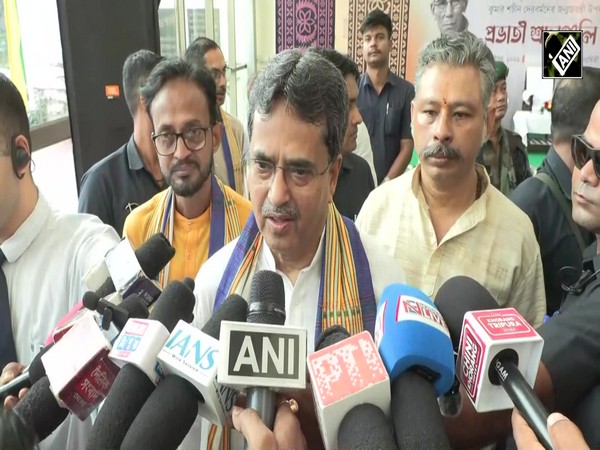
"'No PUC, No Fuel' is in effect in Delhi. I urge the residents not to bring their vehicles to refuel without a valid pollution certificate. You will face losses and punitive action against your vehicle. We are currently integrating our systems; ANPR cameras will monitor everyone getting fuel. Therefore, arriving without a pollution certificate will harm both you and the environment," Manjinder Singh Sirsa told ANI.
Addressing upcoming seasonal celebrations and air quality management, Sirsa welcomed the Supreme Court’s directives regarding permitted festive materials, appealing to citizens to balance traditional practices with environmental safeguards.
"I also thank the Honourable Supreme Court for the provision regarding 'green crackers.' I earnestly appeal to the people of Delhi to understand the significance of our festivals, which are deeply linked to our faith, and to use only green crackers. We must honor both our faith and the need to address Delhi's pollution. I urge everyone to utilize the opportunity granted by the Supreme Court and opt for green crackers, demonstrating our commitment to the environment. This allows us to provide clean air to Delhi's residents while still celebrating with firecrackers in accordance with our religious beliefs," Environment Minister said.
These remarks come after the Delhi government implemented a strict "No PUCC, No Fuel" rule across the capital from October 1.
On Thursday, in a major enforcement push to tackle seasonal winter smog and vehicular emissions, the Delhi government implemented a strict "No PUCC, No Fuel" rule across the capital from Thursday, October 1.
Under the updated regulations, petrol pumps across the city are prohibited from selling petrol, diesel, CNG, and LPG to any vehicle lacking a valid Pollution Under Control Certificate (PUCC).
To ensure seamless compliance, the initiative leverages advanced monitoring technology and integrated dispensing systems.
Under the updated regulations, petrol pumps across the city are prohibited from selling petrol, diesel, CNG, and LPG to any vehicle lacking a valid Pollution Under Control Certificate (PUCC).
To ensure seamless compliance, the initiative leverages advanced monitoring technology and integrated dispensing systems.
The enforcement drive spans approximately 500 fuel stations in Delhi equipped with Automatic Number Plate Recognition (ANPR) camera systems. As a vehicle approaches the dispensing nozzle, ANPR cameras capture its registration details and cross-reference them against national vehicle database records.
If a vehicle's PUCC has expired or is absent, the automated system restricts the fuel dispensing process until a valid certificate is obtained.
Speaking to ANI, Dinesh Kumar, manager at a local Bharat Petroleum station, confirmed that fuel pumps began strict enforcement from early Thursday morning.
"Since this morning, we have not been giving fuel to any vehicle that does not have a pollution certificate. The pollution system has also been linked here, so if the system shows that a vehicle does not have a valid pollution certificate, the owner gets it renewed before coming for fuel... People have become aware now. This will actually affect pollution in the coming days as the winter season is coming... That is the reason why the government has implemented this from October 1 itself so that there won't be a problem in the future," said Dinesh Kumar.
Motorists and commercial transporters at local fuel stations largely expressed support for the anti-pollution measure, noting that on-site testing facilities made compliance straightforward.
Jai Bhagwan Gautam, a transport operator from Hapur, shared that he renewed his expired certificate right at the pump upon learning about the rule. "We fully welcome this. We are transporters; whatever the government is doing regarding trucks, it is doing good, no doubt," he stated.
Commuters acknowledged the necessity of the policy, noting that strict enforcement encourages proactive maintenance ahead of peak pollution months.
Delhi routinely faces dangerous air quality spikes during the winter months due to a combination of agricultural stubble burning in neighbouring states, lower wind speeds, drop in temperatures, and dense urban vehicular traffic.
By enforcing the PUCC rule right at the point of fuel purchase, authorities aim to force non-compliant and high-emitting vehicles off the roads or into immediate repair.