“Old American order in West Asia has collapsed," says Ghalibaf, flags “two strategic errors" for Iran
Sep 20, 2026
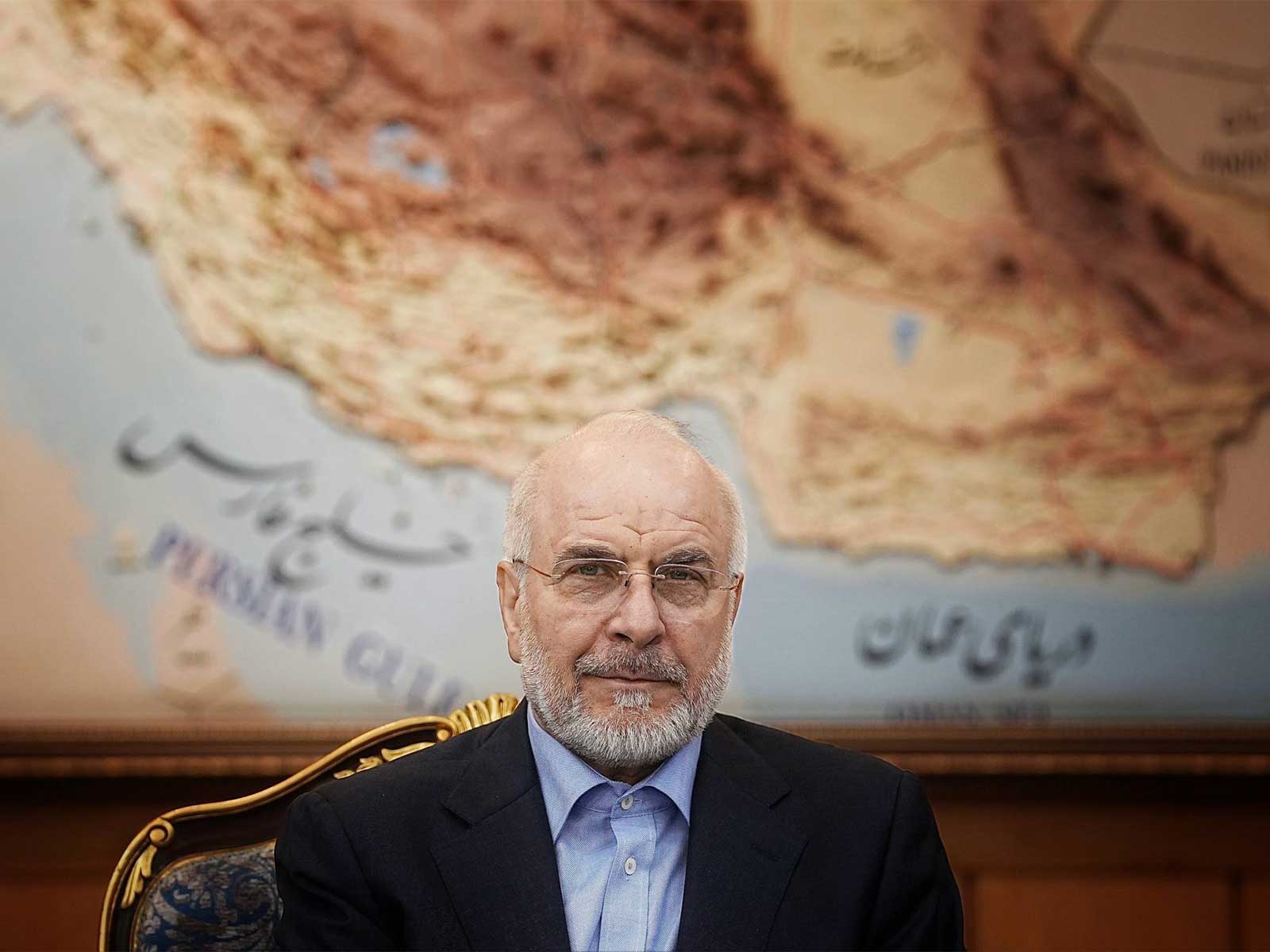
Tehran [Iran], September 20 : Iranian Parliament Speaker Mohammad Bagher Ghalibaf on Sunday said that the “old American order” in West Asia has collapsed, while identifying that “two strategic errors" in Iran’s political and elite circles could undermine the country's ability to respond to the ongoing conflict.
Addressing Iranian Parliament, Ghalibaf said that Iran had demonstrated during the past seven months that it would not remain passive in the face of aggression, while stressing that Tehran's approach was aimed at advancing its interests and imposing the will of the Iranian people.
"In the past seven months, we have shown that we are not tied up in the face of aggression. Our logic in confronting the enemy is to advance intelligently and impose the will of the Iranian people. But unfortunately, in the elite and political atmosphere of the country, there are two strategic errors that both simplify reality," he said.
Ghalibaf said the first error was an approach that advocated war without defining a mechanism or horizon for ending it, while the second involved underestimating Iran's national capabilities and moving towards acceptance of what he described as unilateral terms imposed by an adversary.
"First, a view that speaks of war but has no horizon or mechanism for its authoritative end. By denying any interaction and diplomacy, this view practically leads the country towards erosion and endless war without calculating the possibilities. At the opposite end is a trend that makes the mistake of underestimating national power; it considers Iran weak and, by instilling fear, twists the version of surrender and acceptance of the enemy’s unilateral terms," the head of Iran's Negotiating Team said.
He said both approaches could ultimately weaken Iran's internal cohesion, although for different reasons.
"The first mistake keeps the country in a state of permanent crisis, and the second mistake places national resources and dignity at the disposal of the enemy, and both approaches fulfil the enemy's desire to disrupt the country's cohesion and unity," he said.
Ghalibaf then linked his assessment to the broader regional balance of power, asserting that the previous US-led order in West Asia had collapsed and calling on regional countries to shape what he described as a new regional order.
"Today, the old American order in West Asia has collapsed, and it is the Islamic countries of the region that must implement a new order," he said.
Ghalibaf said Iran's future course would be based on what he described as national resolve, military leadership and the younger generation.
"Relying on the historic will of the nation, the wisdom of brave commanders on the scene, and hope for the generation sitting in school, seminary, and university classrooms today, we will show that the path to the future will not be determined by begging, but by rationality, courage, and struggle," he added.
His remarks came as Tehran continued to signal that any return to negotiations with Washington would be conditional on Iran's stated demands.
Mohsen Rezaei, secretary of Iran's Supreme National Security Council, said in a post on X that Tehran had communicated seven conditions to the US government for the start of negotiations.
"Iran has announced 7 conditions for starting any negotiations to the US government. Tehran's message is clear and unambiguous; if Washington wants to escape the quagmire it has created for itself and avoid getting further entangled in it, it has no choice but to accept Iran's rights and conditions," Rezaei said in a post on X.
The latest statements come amid continuing military and diplomatic tensions across West Asia, with regional developments involving Iran, the United States, Saudi Arabia and Yemen's Houthi movement adding to uncertainty around efforts to revive negotiations.
Ghalibaf's comments also come as Iranian officials have continued to frame diplomacy and military preparedness as interconnected rather than mutually exclusive.
The latest diplomatic developments follow the collapse of an earlier memorandum of understanding between Iran and the United States.
With negotiations still uncertain, Iranian officials have continued to emphasise both their stated conditions for diplomacy and their readiness for further confrontation, underscoring the continuing difficulty of finding a political resolution to the conflict.