One-vote victory row: Madras HC rejects DMK candidate’s election petition challenging TVK MLA Sethupathi’s win
Sep 28, 2026
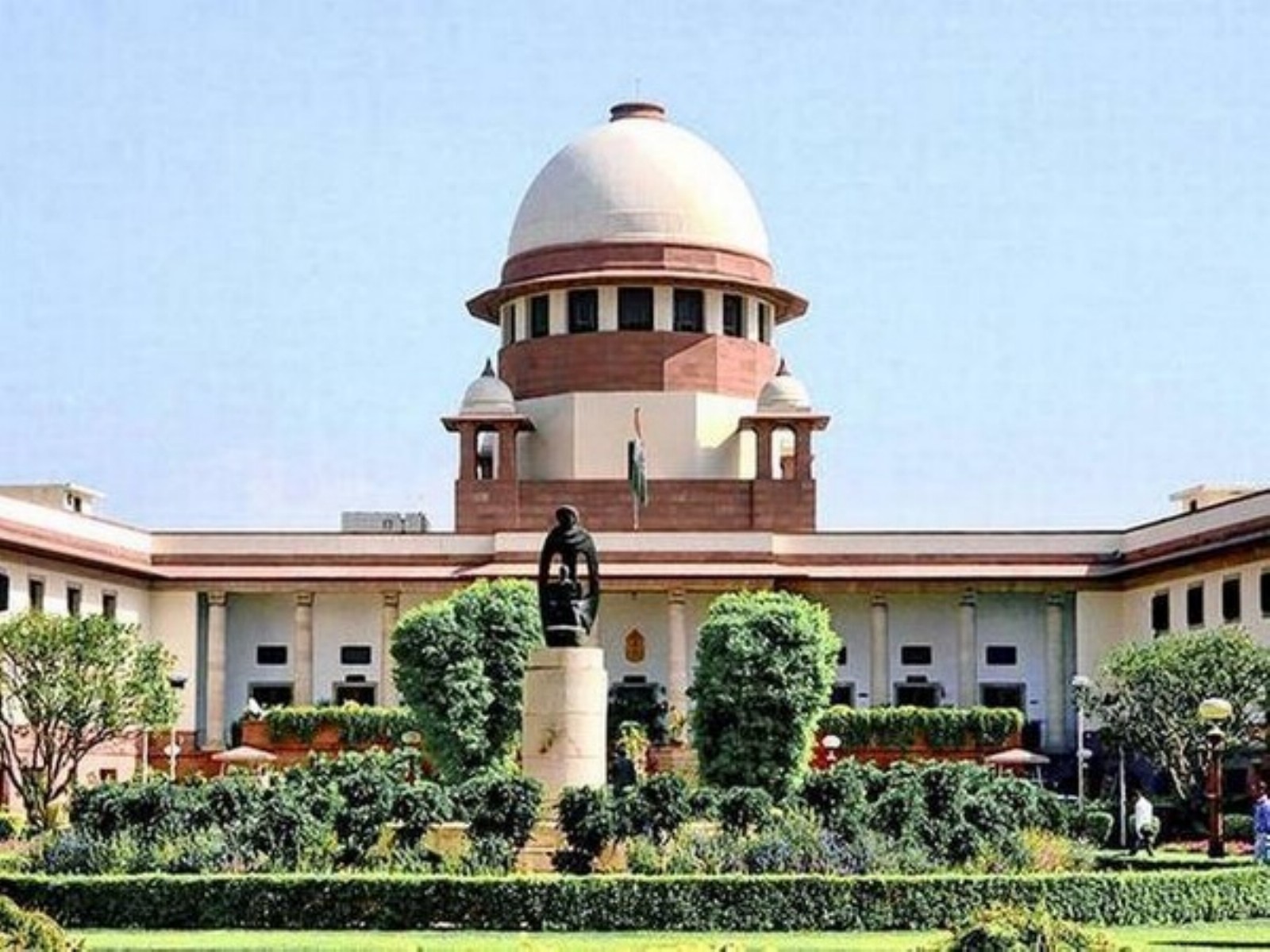
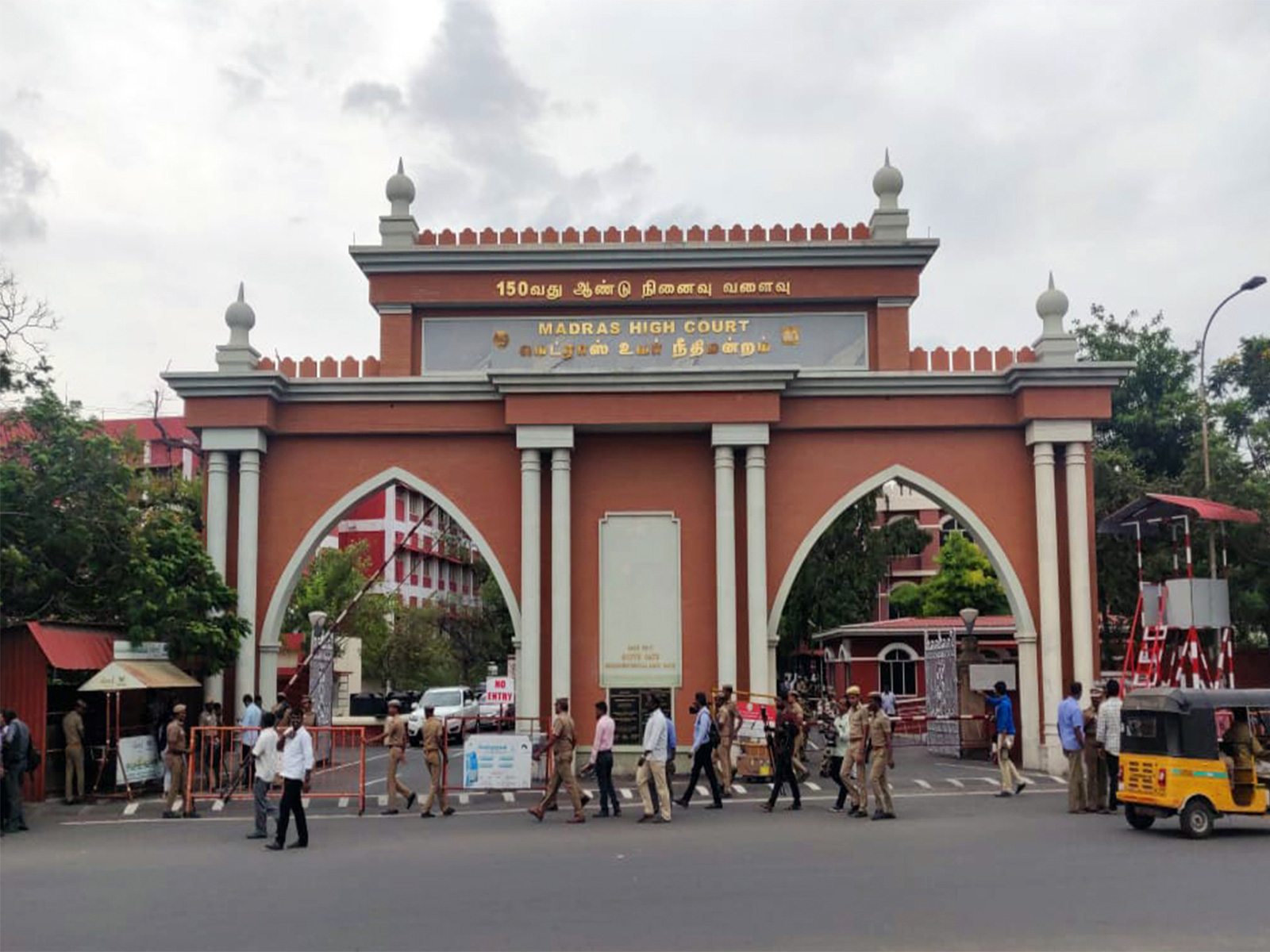
Chennai (Tamil Nadu) [India], September 28 : The Madras High Court on Monday rejected DMK candidate KR Periyakaruppan’s election petition challenging the election of TVK MLA R Seenivasa Sethupathi from the Tiruppattur Assembly constituency in the 2026 Tamil Nadu Assembly polls, which he won by just one vote.
Justice GK Ilanthiraiyan allowed Sethupathi’s application under Order VII Rule 11 of the Code of Civil Procedure, holding that the election petition did not contain the requisite material facts to establish a complete cause of action under the Representation of the People Act, 1951.
The court held that the allegations regarding the alleged misdirection of a postal ballot, discrepancies in counting and the alleged failure to re-verify postal ballots did not, by themselves, establish that any irregularity had materially affected the election result.
The court specifically found that there was no independent material establishing that a postal ballot meant for No.185 Tiruppattur Assembly constituency in Sivaganga district was actually received and retained by the Returning Officer of No.50 Tiruppattur Assembly constituency in Tiruppattur district.
“Equally, there is no material to demonstrate any violation of the prescribed procedure which, even if established, could have materially affected the result of the election,” Justice Ilanthiraiyan said.
The court also examined Form 20, the final result sheet, and found no discrepancy in the votes recorded through EVMs or in the postal ballots counted. It recorded that Sethupathi secured 83,375 votes against Periyakaruppan’s 83,374 votes, resulting in the one-vote margin.
On the allegation concerning re-verification of rejected postal ballots, the court noted that Clause 15.25 of the Handbook for Returning Officers, 2023 provides for mandatory re-verification where the victory margin is less than the number of postal ballots rejected as invalid. However, the court said the provision did not authorise a recount of votes already counted.
The court further held that even if there was non-compliance with the Handbook, the election could not be invalidated without material facts showing that such non-compliance affected the result. Relying on the Supreme Court’s decisions in Ramesh Rout v. Rabindra Nath Rout and Arikala Narasa Reddy v. Venkata Ram Reddy Reddygari, the court said the Handbook instructions are binding on Returning Officers, but their violation must have a material effect on the counting process or result to vitiate an election.
“Mere failure on the part of the Returning Officer to adhere to the directions contained in the Handbook, without any further material or evidence demonstrating the effect of such alleged non-compliance upon the election result, cannot have the effect of vitiating the election,” the court held.
The court also found that the counting process had been completed after the EVM results and postal ballots were shown to the respective election agents and their approval obtained. It therefore held that the request for recounting or re-verification at the fag end of counting could not be sustained merely because the margin of victory was one vote.
The dispute relates to an election, where Sethupathi defeated Periyakaruppan by the narrowest possible margin in the 2026 Tamil Nadu Assembly election. Sethupathi polled 83,375 votes, while Periyakaruppan secured 83,374 votes.
Periyakaruppan subsequently filed an election petition seeking to set aside Sethupathi’s election and sought, among other reliefs, re-verification of rejected postal ballots and recounting of the EVM and postal votes. He also sought verification of VVPAT slips and examination of the EVM memory and micro-controller.
The election petition raised several grounds. These included alleged discrepancies in the accounting of votes, the alleged misdirection and rejection of a postal ballot, failure to follow the re-verification procedure under Clause 15.25 of the Returning Officers’ Handbook, alleged wrongful rejection of certain postal ballots and alleged violation of the Conduct of Election Rules in the configuration of EVMs.
A key part of Periyakaruppan’s case concerned a postal ballot allegedly belonging to No.185 Tiruppattur constituency in Sivaganga district but received by the Returning Officer of No.50 Tiruppattur constituency. He claimed that the ballot was cast in his favour and that its rejection was significant because Sethupathi’s victory margin was only one vote.
Periyakaruppan also questioned the accounting of postal ballots and alleged an 18-vote discrepancy between round-wise EVM figures and the figures reflected in Form 20 and Election Commission records. His side maintained that these issues raised factual questions that required a full trial rather than rejection of the election petition at the threshold.
Sethupathi opposed the election petition and sought its rejection under Order VII Rule 11. He argued that Periyakaruppan had failed to plead the material and foundational facts necessary to show how the alleged irregularities materially affected the result. He also questioned the basis for the allegation concerning the allegedly misdirected postal ballot.
The dispute had also led to an earlier round of litigation. Periyakaruppan had initially approached the Madras High Court through W.P.No.19287 of 2026 and subsequently approached the Supreme Court. The writ petition was later withdrawn with liberty to raise the grievances through an election petition.
The High Court had reserved its order on Sethupathi’s application on September 17 after hearing the parties. The detailed judgment was pronounced on Monday.
The High Court ultimately allowed Sethupathi’s application and rejected Periyakaruppan’s election petition for want of the requisite material facts and failure to disclose a complete cause of action.
Senior Advocate V Raghavachari, along with Advocates Dixita Gohil, Pranjal Agarwal of Gohil Agarwal Law Chambers, Yash S Vijay and T Mahendhran, represented Sethupathi.