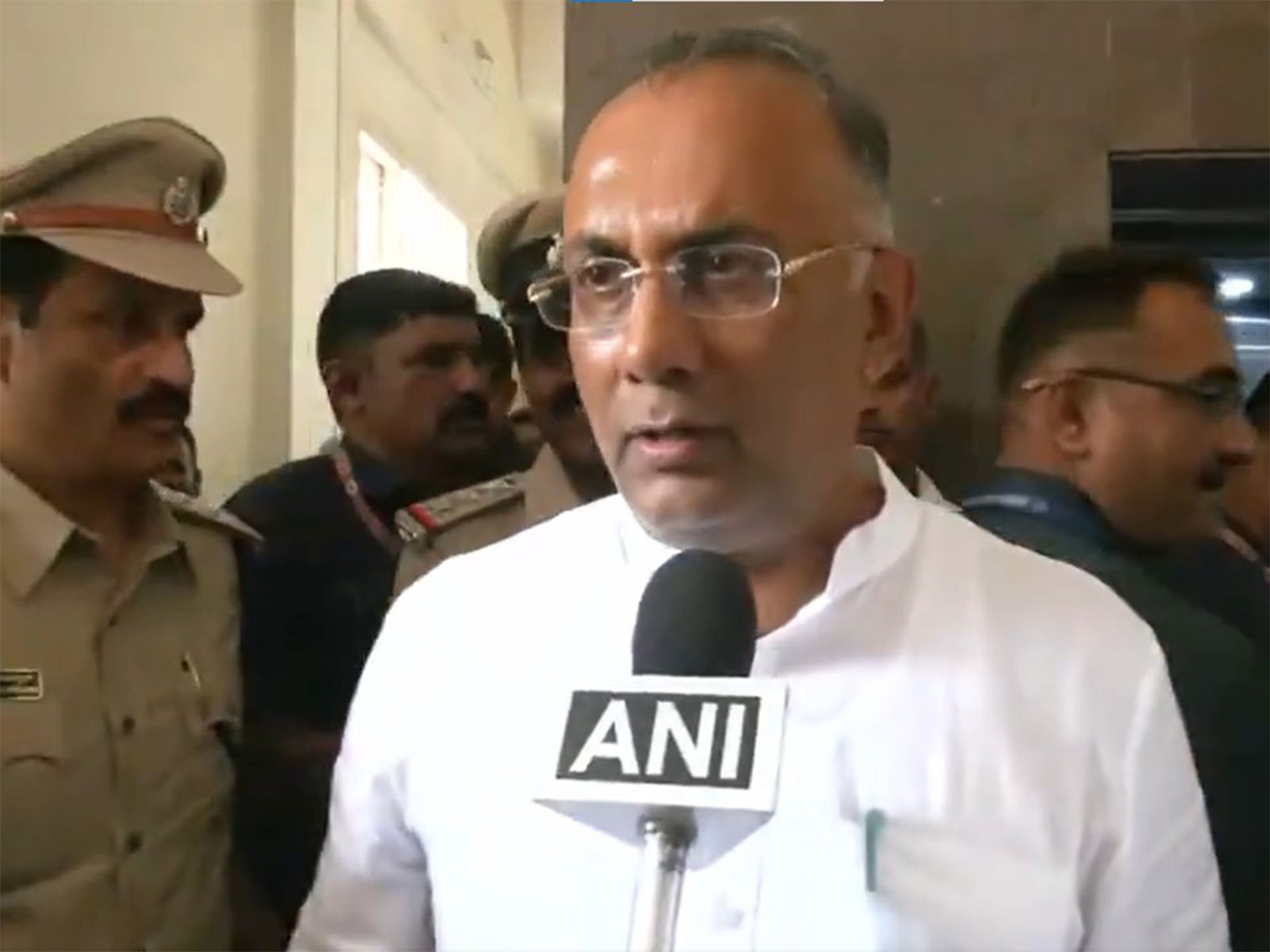
Opposite of 'dynamic pricing': K'taka Minister Dinesh Gundu Rao slams Centre over rising fuel costs
May 25, 2026
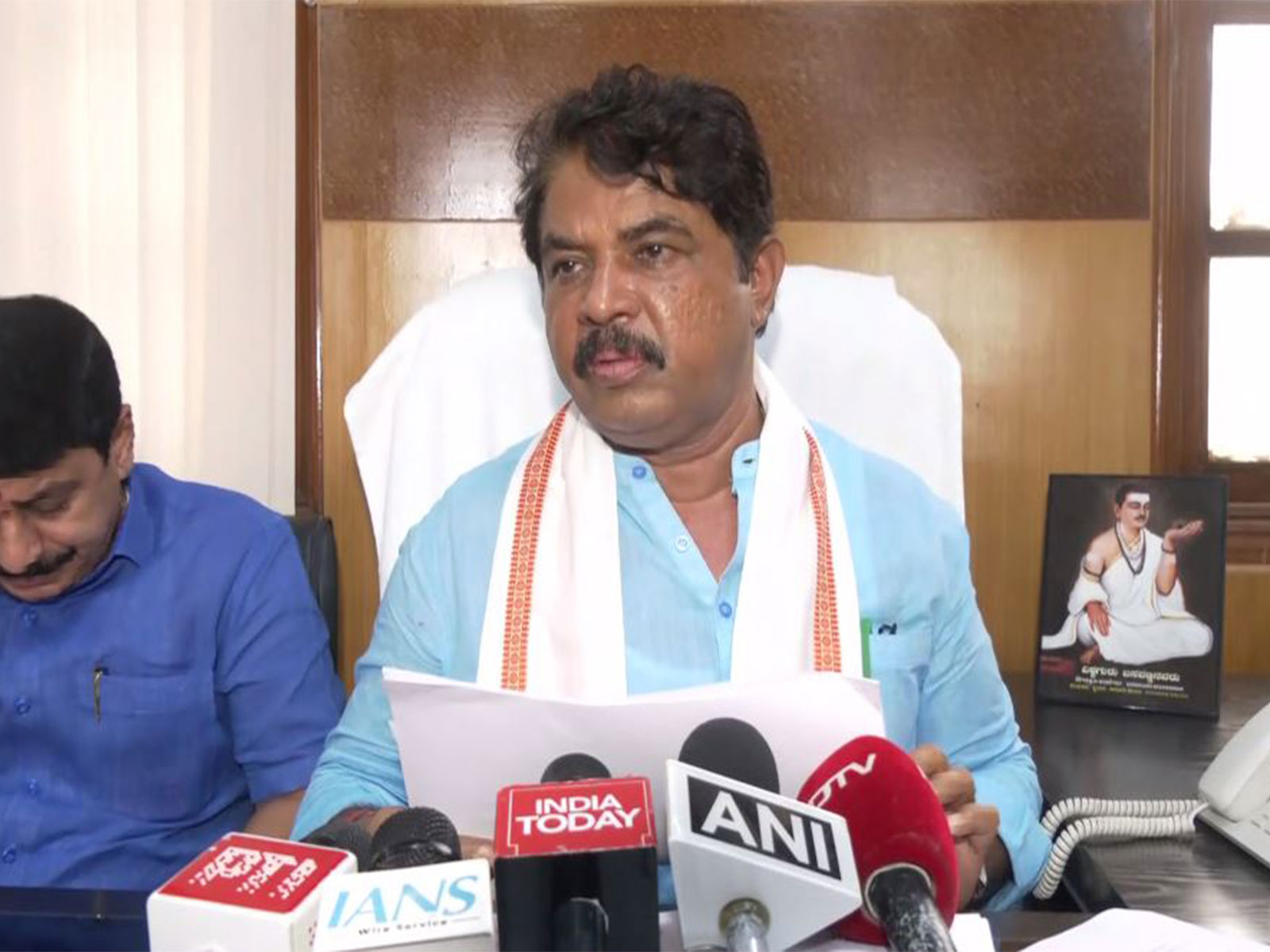
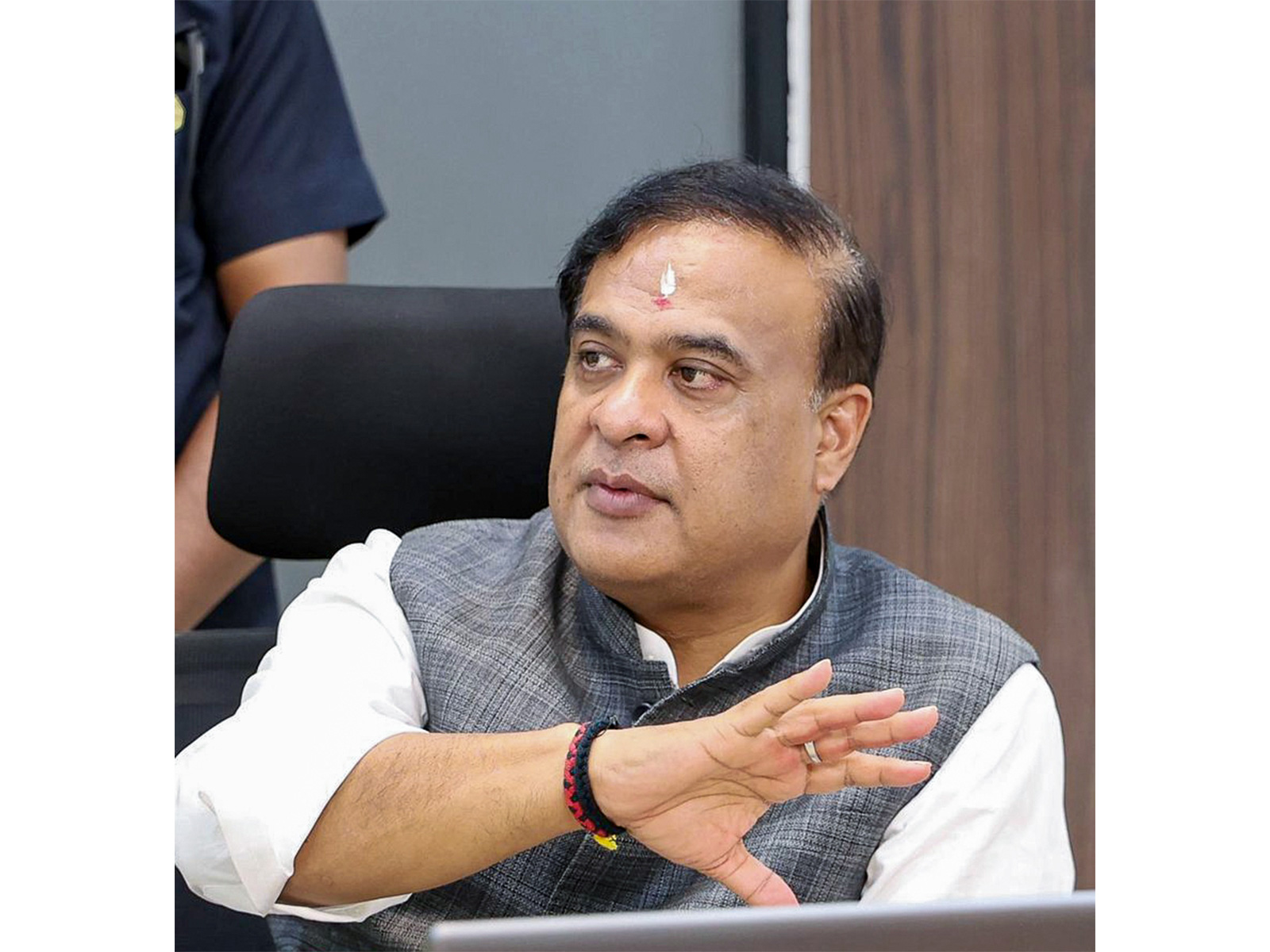
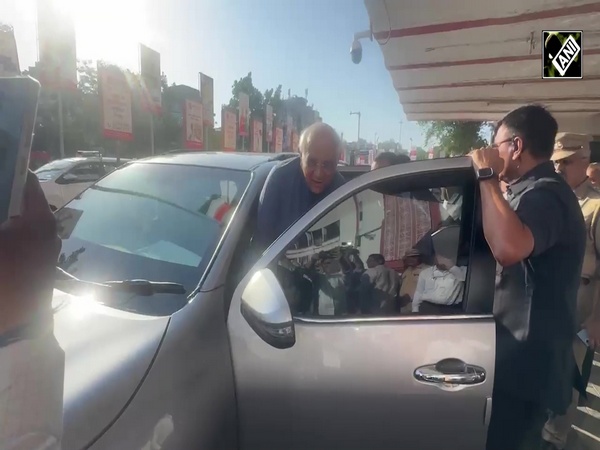
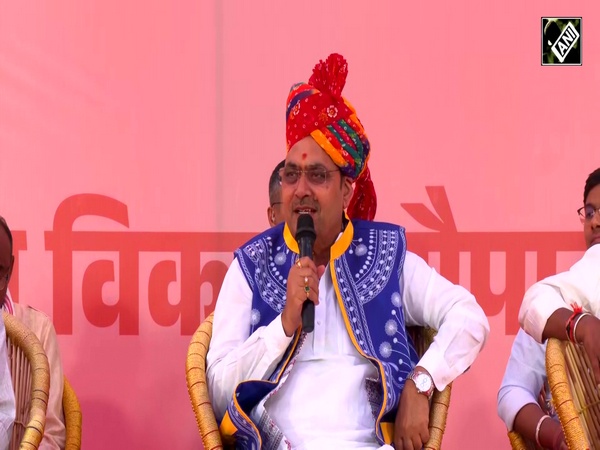
Bengaluru (Karnataka) [India], May 25 : Launching a sharp attack on the Central Government over surging fuel costs, Karnataka Minister Dinesh Gundu Rao on Monday accused the Prime Minister Narendra Modi-led administration of manipulating fuel pricing structures to enrich the treasury at the expense of ordinary citizens.
Criticising the Centre's handling of oil revenues, Rao stated that the promised "dynamic pricing model" has been inverted to benefit only the government.
"The Modi government simply knows that when prices rise, the people have to bear the burden. When crude oil prices fall, the government benefits. So this is dynamic pricing that we have adopted, meaning when crude oil prices fall, consumers should benefit. And when it rises, consumers have to pay. Here, it's the opposite. When prices fall, they impose extra taxes, making them earn more money. When prices were low, only the central government benefited. And now that prices are rising, they give relief to the common man, right?" Rao told ANI.
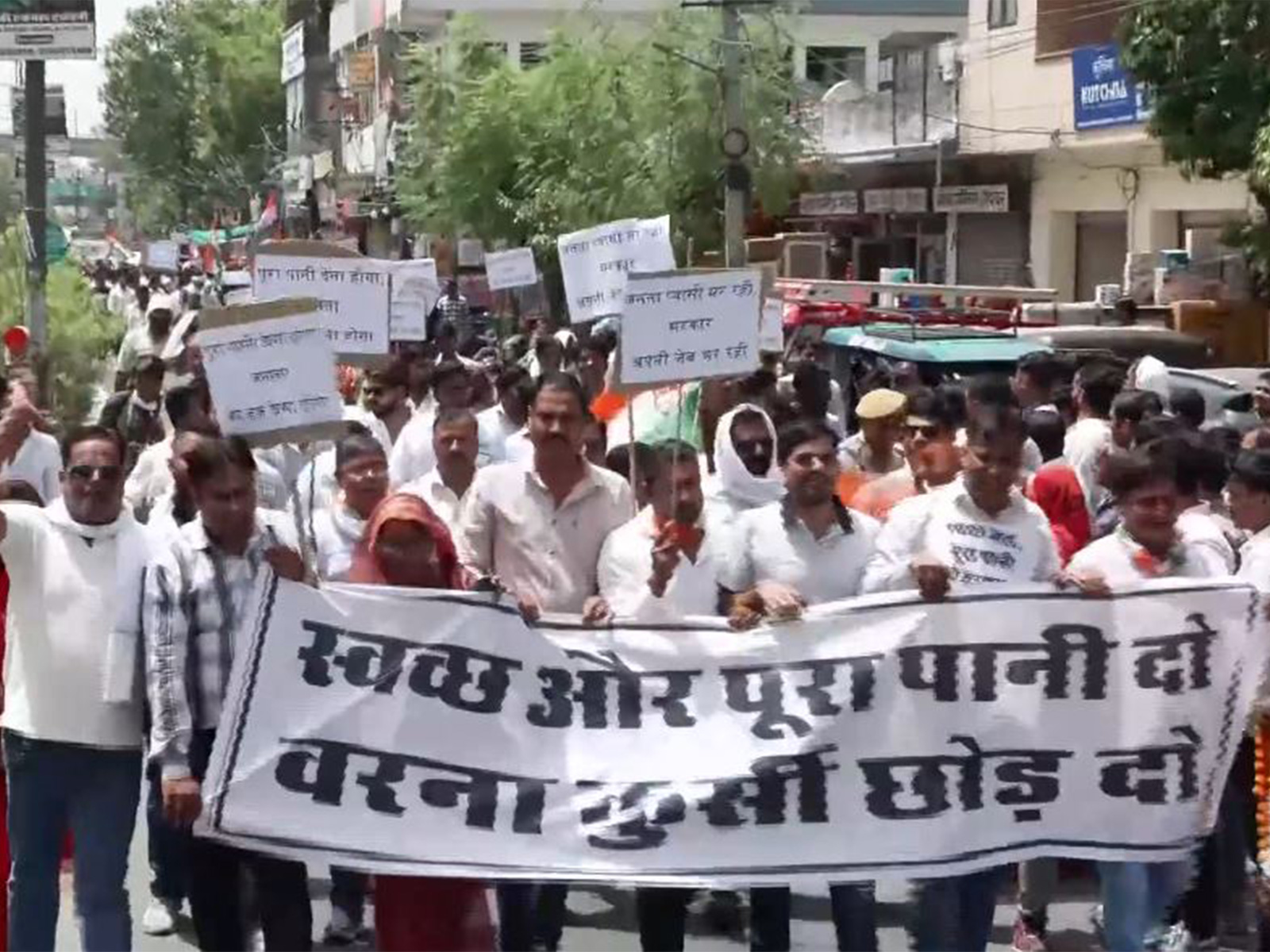
Simultaneously, ground-level resentment has reached a boiling point in neighbouring Andhra Pradesh. In Guntur, citizens and motorists expressed severe anger over a fourth consecutive hike in petrol and diesel rates within a fortnight, which has hit operational costs for logistics and heavily squeezed household budgets.
Local residents criticised both the Central and State governments for failing to shield consumer pricing. Many pointed out that during recent election campaigns in five states, the Prime Minister had personally assured the public that petrol, diesel, and cooking gas prices would not increase. They alleged that those assurances were completely broken as soon as the elections concluded.
This comes after petrol and diesel prices were hiked once again today, marking the fourth increase in less than two weeks amid continued volatility in global crude markets and ongoing geopolitical tensions in West Asia.
Petrol prices in Delhi crossed the Rs 100-mark, rising by Rs 2.61 to Rs 102.12 per litre, while diesel prices increased by Rs 2.71 to Rs 95.20 per litre.
Similar hikes were witnessed across major metropolitan cities, including Kolkata, Mumbai and Chennai, adding to the burden on consumers and transport operators.
The continued hikes in petrol, diesel and CNG prices are likely to increase logistics and transportation costs further, potentially triggering a cascading effect on retail inflation and impacting household budgets as well as commercial transport sectors across the country.