Pakistan: United Nations report exposes flaws in Sindh’s water management
Oct 28, 2026
Islamabad [Pakistan], October 28 : Sindh’s water management system is facing mounting challenges due to outdated regulations, unreliable government data and gaps between official water allocations and actual consumption, as reported by Dawn.
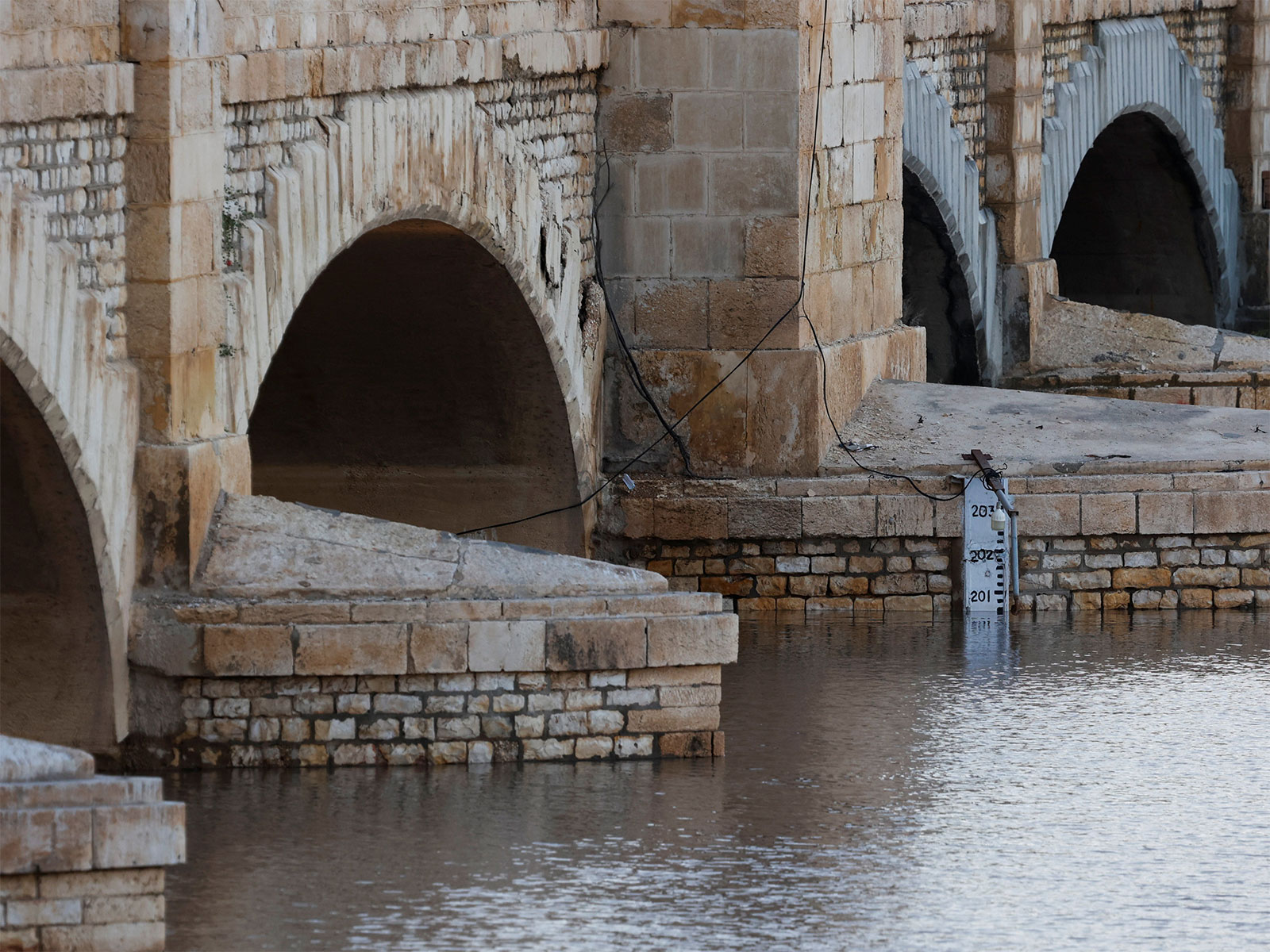
According to Dawn, the study, titled Water and Land Accounting in Sindh: Quantifying Water Availability and Uses, prepared by the Food and Agriculture Organisation (FAO), has urged the provincial government to undertake a comprehensive assessment of its land and water resources. The report noted that Sindh’s water system has evolved beyond its traditional canal-based irrigation structure, with urban water supply networks, local dams, lakes, reservoirs and pumping facilities increasingly contributing to water distribution. However, existing monitoring and operational mechanisms have failed to keep pace with these changes.
It warned that deficiencies in public sector data could distort water assessments, undermine policy decisions and lead to misguided development priorities. The Crop Reporting Service (CRS) was identified as a major concern, with its land boundaries, crop survey methods, sampling procedures and district-level coverage requiring urgent revision. According to the report, CRS estimates of irrigated land do not correspond with canal command areas recorded by the Sindh Irrigation Department. Data on rain-fed and well-irrigated agriculture also fail to clearly establish changing cultivation patterns, creating uncertainty over actual water requirements.
The FAO highlighted a growing disconnect between officially allocated water and the quantities people and sectors can access. Investments in drinking water infrastructure, industrial supply networks and local storage facilities remain inadequately reflected in operational records. Water drawn from lakes and small dams for winter irrigation is also poorly documented, as highlighted by Dawn.
The report further criticised existing operating procedures, which were designed primarily for gravity-fed canal irrigation and do not adequately account for pumping systems and alternative storage facilities. It recommended that Sindh establish regular annual and seasonal water accounts covering agriculture, urban settlements, industry and environmental resources, including wetlands and mangroves, as reported by Dawn.