Pakistan’s decades of interfaith promises fail to protect Sindh’s Hindu minorities
Oct 22, 2026
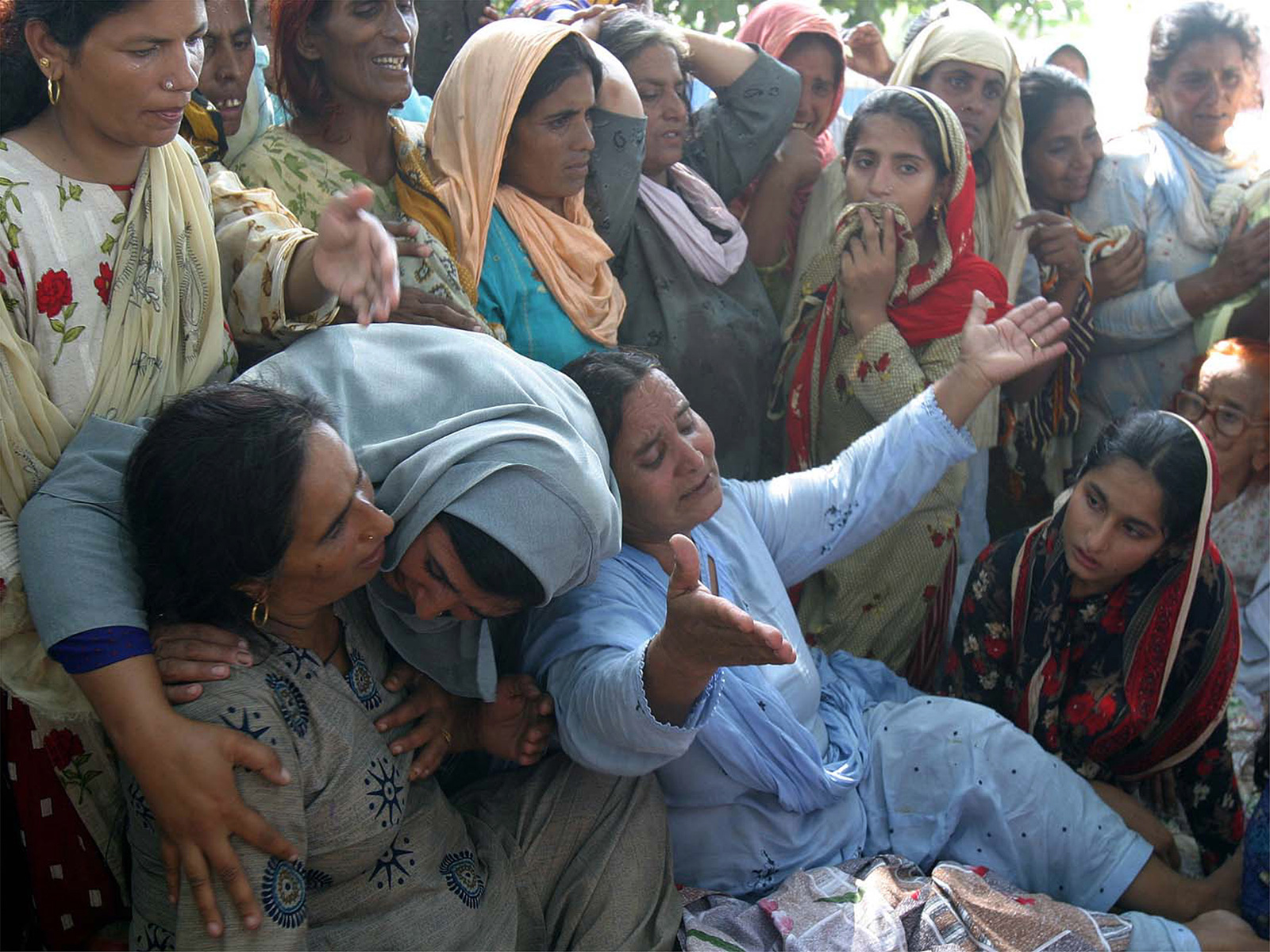
Sindh [Pakistan], October 22 : Decades of initiatives promoting religious harmony in Pakistan have failed to bring meaningful change on the ground, speakers at an interfaith dialogue in Hyderabad said, highlighting concerns over forced conversions, the abduction of Hindu girls and the ineffective enforcement of laws safeguarding religious minorities in Sindh, as reported by The Express Tribune.
According to The Express Tribune, the event, organised by the Christian Study Circle at a local hotel, brought together political representatives, religious figures, lawyers and social activists. Participants called for coordinated efforts to tackle religious extremism, discrimination and abuses against vulnerable communities.
Former Member of the National Assembly Neelam Kumari alleged that Hindu girls continued to face abductions, forced religious conversions and marriages, describing these practices as violations of the law. She said she was in contact with the senior superintendents of police in Umerkot and Ghotki to pursue efforts to recover a girl reportedly abducted from Umerkot.
Kumari further pointed out that Pakistan had introduced several laws and legislative measures intended to protect minority communities, but their impact remained limited because of poor implementation.
In a press release issued by the United Nations Office of the High Commissioner for Human Rights, experts said that coercion and a lack of legal safeguards were enabling forced conversions through marriage, particularly targeting Hindu and Christian communities. They stressed that any change of religion must be voluntary and that child marriage invalidates consent under international law.
According to the experts, nearly 75 per cent of reported cases in 2025 involved Hindu victims, while 25 per cent involved Christians. Around 80 per cent of these incidents occurred in Sindh province, with adolescent girls aged 14 to 18 most frequently targeted. In some instances, victims were even younger.
The statement highlighted that poverty and marginalisation significantly increase vulnerability, exposing victims to physical and sexual abuse, social stigma and long-term psychological trauma.
"These women and girls endure a continuous sense of terror and are deprived of their freedom of religion and autonomy," the experts noted, calling the situation unacceptable.