Pakistan's education emergency falters as more than 25 million children remain out of school
Jul 07, 2026
Lahore [Pakistan], July 7 : More than 25 million school-age children in Pakistan remain outside the education system despite the government's declaration of a National Education Emergency over two years ago, exposing serious failures in policy implementation and governance, as reported by Geo News.
According to Geo News, a policy review prepared by the Civil Services Academy (CSA) concludes that Pakistan's education crisis is no longer driven by a lack of planning but by poor execution, weak institutions, inadequate funding, fragmented administration and ineffective coordination between federal and provincial authorities.
The report estimates that between 25.1 million and 26 million children are currently out of school, making Pakistan home to the world's second-largest out-of-school population. While provinces have developed education roadmaps under the National Education Action Plan 2026, the review says these commitments have largely failed to translate into meaningful progress due to governance failures and widening implementation gaps.
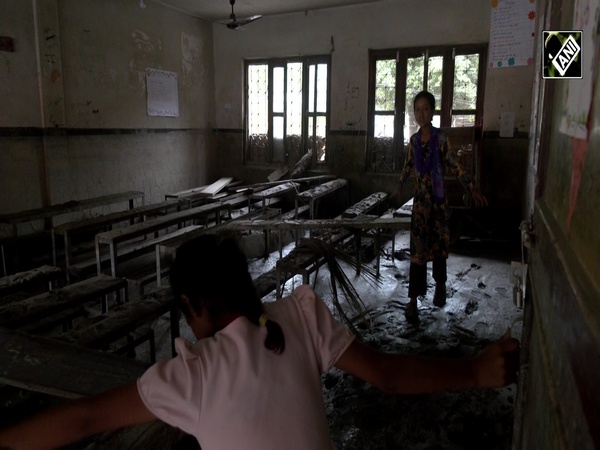
Punjab has the highest number of out-of-school children, with over nine million affected, while Sindh faces severe dropout rates because of a shortage of middle and secondary schools. Khyber Pakhtunkhwa continues to struggle with security challenges, inaccessible terrain and a lack of female teachers, particularly in remote districts. Balochistan remains the worst-affected province, with thousands of non-functional schools and widespread shortages of electricity, sanitation and basic infrastructure.
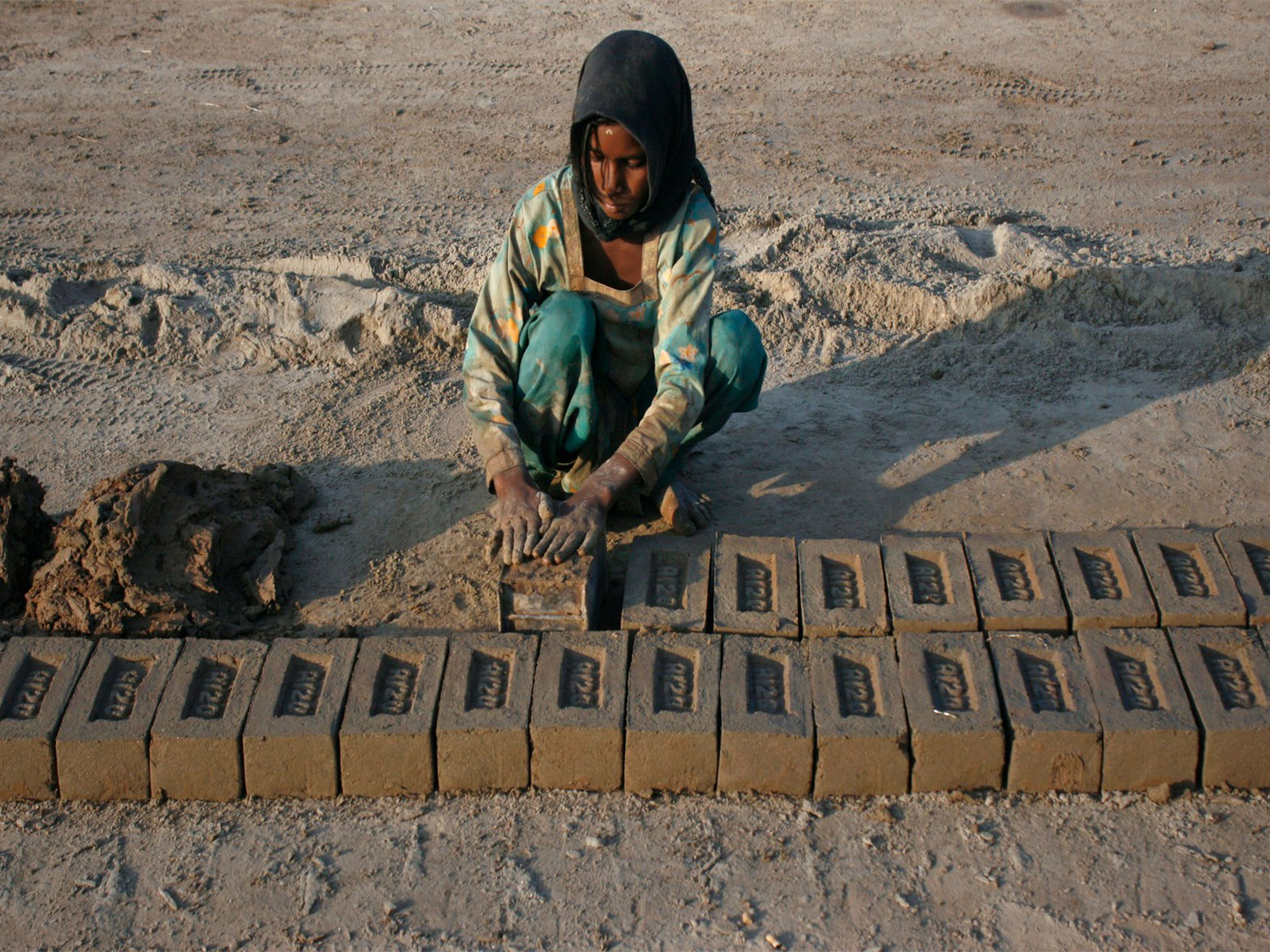
The CSA report argues that decades of low investment, rapid population growth, poverty and child labour have steadily pushed millions of children out of classrooms. It also highlights weak data systems, saying the absence of a unified national student database has prevented authorities from accurately tracking enrolment and dropouts, as cited by Geo News.
The review recommends creating a nationwide student registry linked to Nadra records, expanding double-shift schools, improving non-formal education, increasing incentives for female teachers in underserved areas and introducing performance-based education funding. Education experts cited in the report blamed successive governments for repeatedly announcing education emergencies without backing them with sufficient resources, as reported by Geo News.