Permanent UNSC seats to de-dollarisation: BRICS’ role in making room for Global South in post-colonial world
Sep 10, 2026
By Mohak Gandhi
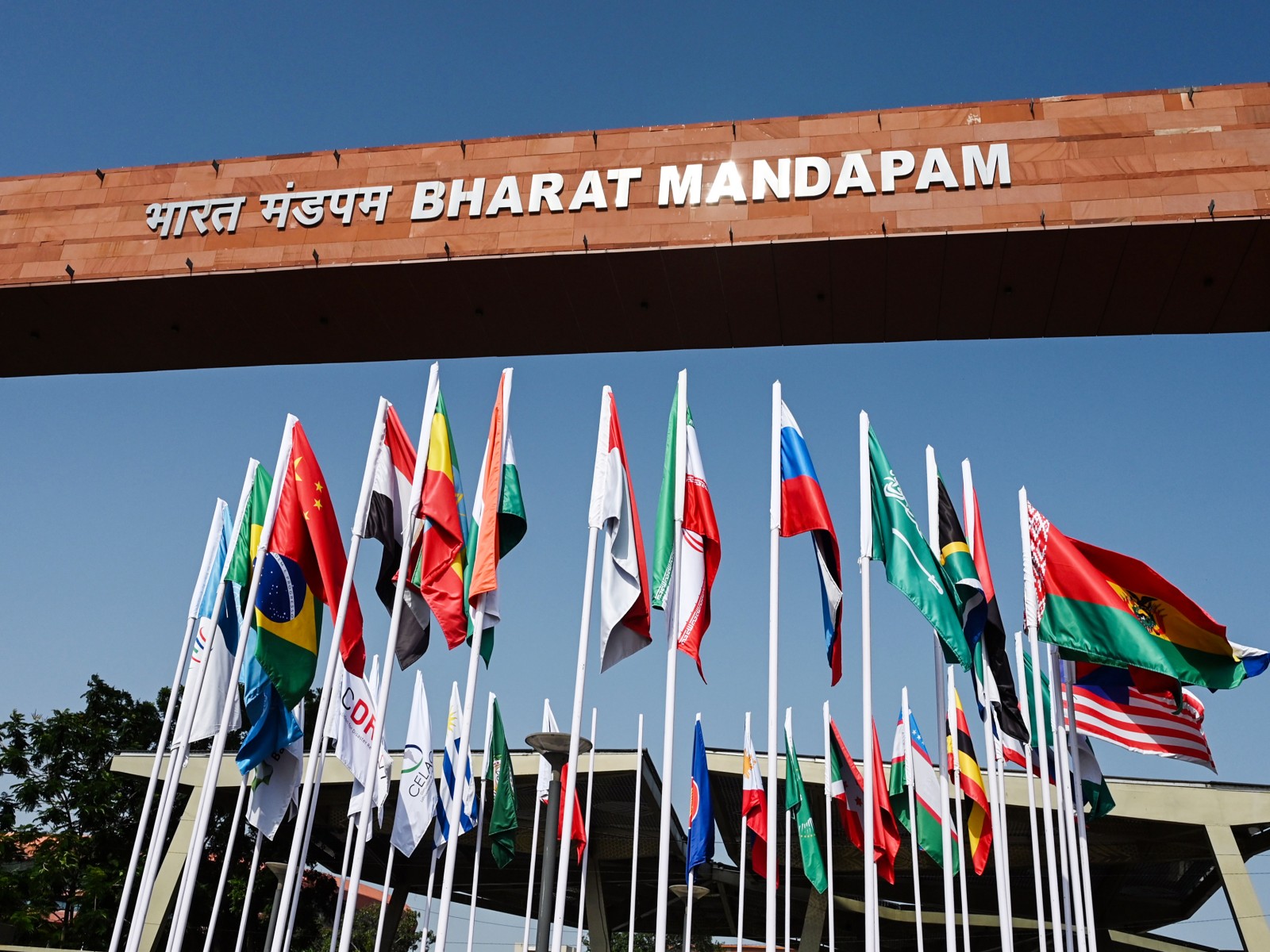
New Delhi [India], September 10 : In a post-colonial world, BRICS emerges as a group of nations, most of which have been colonies of a European power or have faced imperialism. This grouping, which some say is accidental, has been the one providing an alternative to the Western poles of power.
India, which is hosting the 2026 BRICS Summit, was a British colony for over a century before gaining independence in 1947. Similarly, Brazil witnessed Portuguese rule, South Africa faced colonization and an apartheid regime, and China too has faced the wrath of imperial powers. Several of its newer members have also witnessed colonial rule. However, the question remains: Can countries that were once largely excluded from shaping the international order now reshape its institutions or make a space in the existing order on their terms?
While BRICS nations have made it clear that they do not want a complete dismantling of the present institutions, the grouping has emerged as a voice for the Global South in a call for a multipolar world.
The major project in having a share of power for the Global South is the bid for a permanent seat at the United Nations Security Council (UNSC) for India and Brazil. Although two of the BRICS members are permanent members of the UNSC, the grouping has argued for a permanent seat and veto to be extended to India and Brazil. According to the BRICS declaration in 2025, recalling the 2022 Beijing and 2023 Johannesburg-II Leaders’ Declarations, China and Russia reiterated their support for the aspirations of Brazil and India to play a greater role in the Security Council.
India is also the second-largest contributor to the UNSC peacekeeping missions in terms of troops and police, just behind Nepal as of May 2026, while solely on military contribution, India tops the list. While several UNSC members are currently engaged in violent conflicts in West Asia and Europe, Prime Minister Narendra Modi, on several platforms, has called for peace and maintained that this is “not an era of war,” as he reiterated during a bilateral meeting with Russian President Vladimir Putin in Bishkek.
Several scholars on geopolitics have argued for an expansion of the UNSC membership with representation from each continent.
Assistant Professor at Angel Kanchev University of Ruse, Eva Parvanova, in a paper, has argued for reforms in the UNSC. She has presented a case for India, Brazil, Japan, and Germany (G-4 grouping formed in 2004). For India, she has argued that being part of South Asia, which is turning into a powerful geopolitical region, the population dividend, nuclear power potential, and the contribution to peacekeeping operations make a case for a permanent seat in the UN.
German-Brazilian political scientist Oliver Stuenkel has also argued for a case for India and Brazil, while noting that New Delhi also eyes its private interests in South Asia with the permanent membership of the UNSC.
An important aspect of the decolonization project is challenging the Western institutions on an economic front, which the BRICS did by introducing the New Development Bank (NBD) in 2015. NBD has emerged as an alternative to the World Bank and International Monetary Fund, the West-centric Bretton Woods institutions. The bank has approved a total amount of USD 42.9 billion in financing for 139 projects.
In 2021, NDB welcomed its first non-founding members to expand and position itself as a platform for wider collaboration among emerging markets and developing countries (EMDCs). Another key step by the NBD has been the expansion of local currency financing.
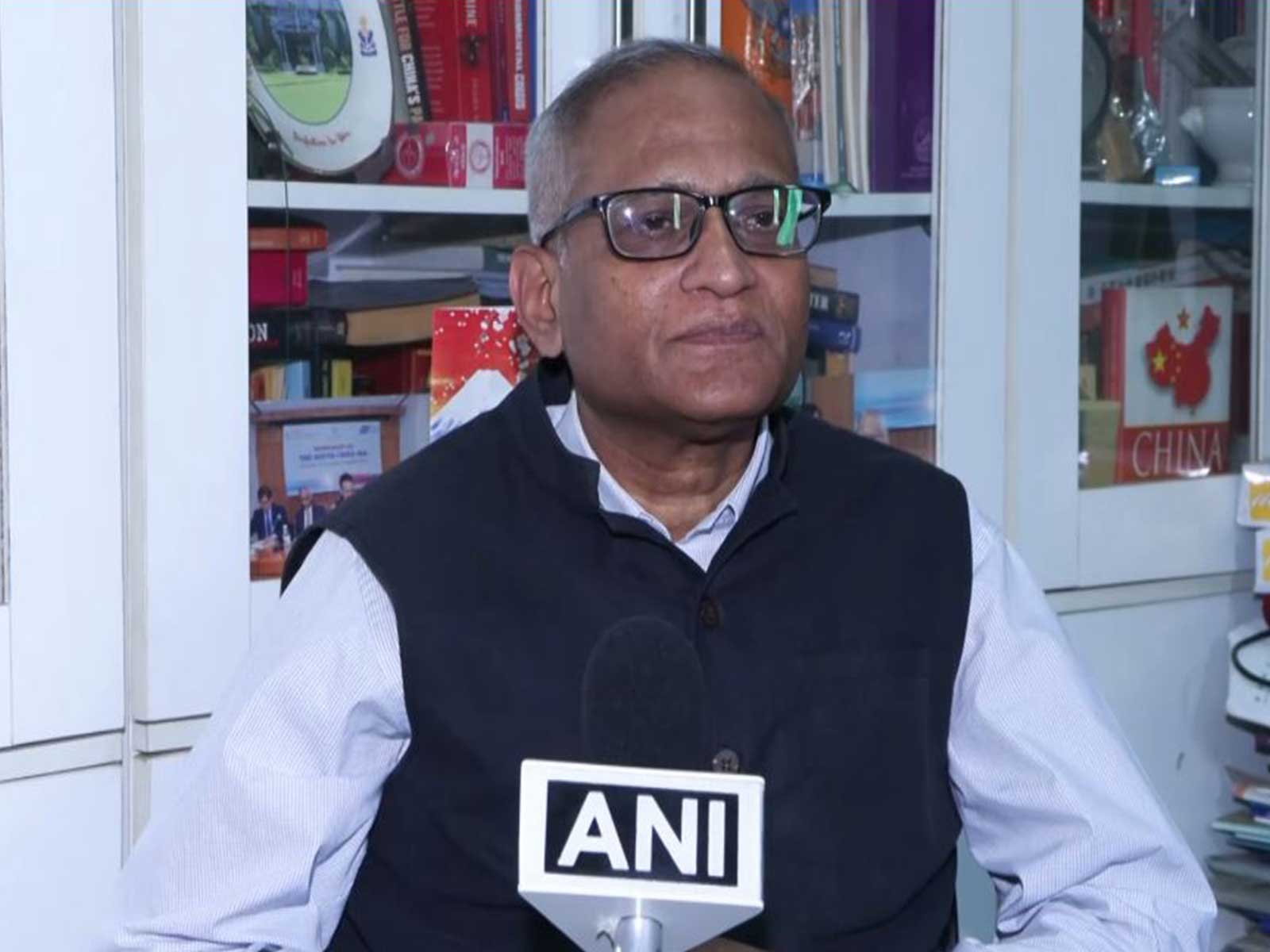
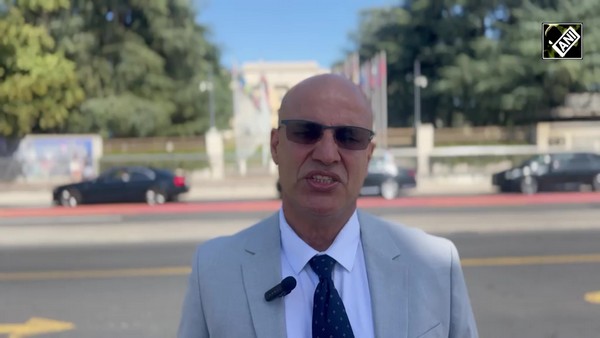
Along with the NBD, the bid for de-dollarisation is the key to moving forward in a post-colonial world, Mumbai-based academician and public affairs strategist Sanjay Ranade emphasised. However, he warned against “trust in China” while the BRICS nations rally against the USD as the currency of trade in the grouping.
“One of the most significant moves of the post-colonial world is towards de-dollarisation, and the National Development Bank is a step towards that. What BRICS is working on is an interoperable digital payments architecture, and this is driven by the digital infrastructure in the largest economy, which is China. All the rest... are all desirous of de-dollarisation, which is important. There is always a big question mark with respect to trust in China. It is definitely a burden on China as well as the others that will have to be overcome if BRICS has to become a meaningful coalition challenging the hegemony of the Euro-Americans,” Sanjay Ranade told ANI.
When it comes to epistemology, BRICS holds back as it does not aim to dismantle the existing global systems, but aims for a multipolar world. The grouping does not perform the epistemic disobedience as stated by Argentine scholar Walter Mignolo; it holds several summits and meetings over a range of subjects, including science, culture, economics, health, and climate change, and has regular meetings of Finance Ministers, Foreign Ministers, and National Security Advisors from BRICS nations. This gives BRICS an opportunity to create a parallel epistemology, with the source of knowledge flowing from the Global South.
On coloniality of knowledge, BRICS nations should not subscribe to the Western definitions of development and modernity, but define them from the Global South’s worldview. The idea of modernity cannot be the same as in the West for civilisational states in the BRICS, including India, China, and Iran.
Moreover, BRICS can also let go of the Eurocentric worldview by opting for inclusive and decolonial terminologies. The grouping has partners from West Asia, with Iran and the UAE (also Saudi Arabia attending the Summits) as its core members, and can drop the use of the Eurocentric term ‘Middle East.’
PM Modi, who has extended India’s ties with partners in Asia and Africa, has rallied against the “Macaulay mindset”. While the BRICS Summit 2026 aims for economic resilience as part of its theme, “Building for Resilience, Innovation, Cooperation and Sustainability,” India can play a pivotal role in furthering the voice of the Global South in a post-colonial world, with an aim for 'resilience' against Western institutions and constructs.