Pharma industry body urges government to avoid abrupt drug price cuts, backs cancer drug trade margin cap
Nov 19, 2026
New Delhi [India], November 19 : The Organisation of Pharmaceutical Producers of India (OPPI) on Thursday urged the government to avoid abrupt drug price cuts, saying sudden reductions can disrupt investments made over several years. The industry body backed the government's move to cap trade margins on cancer medicines.
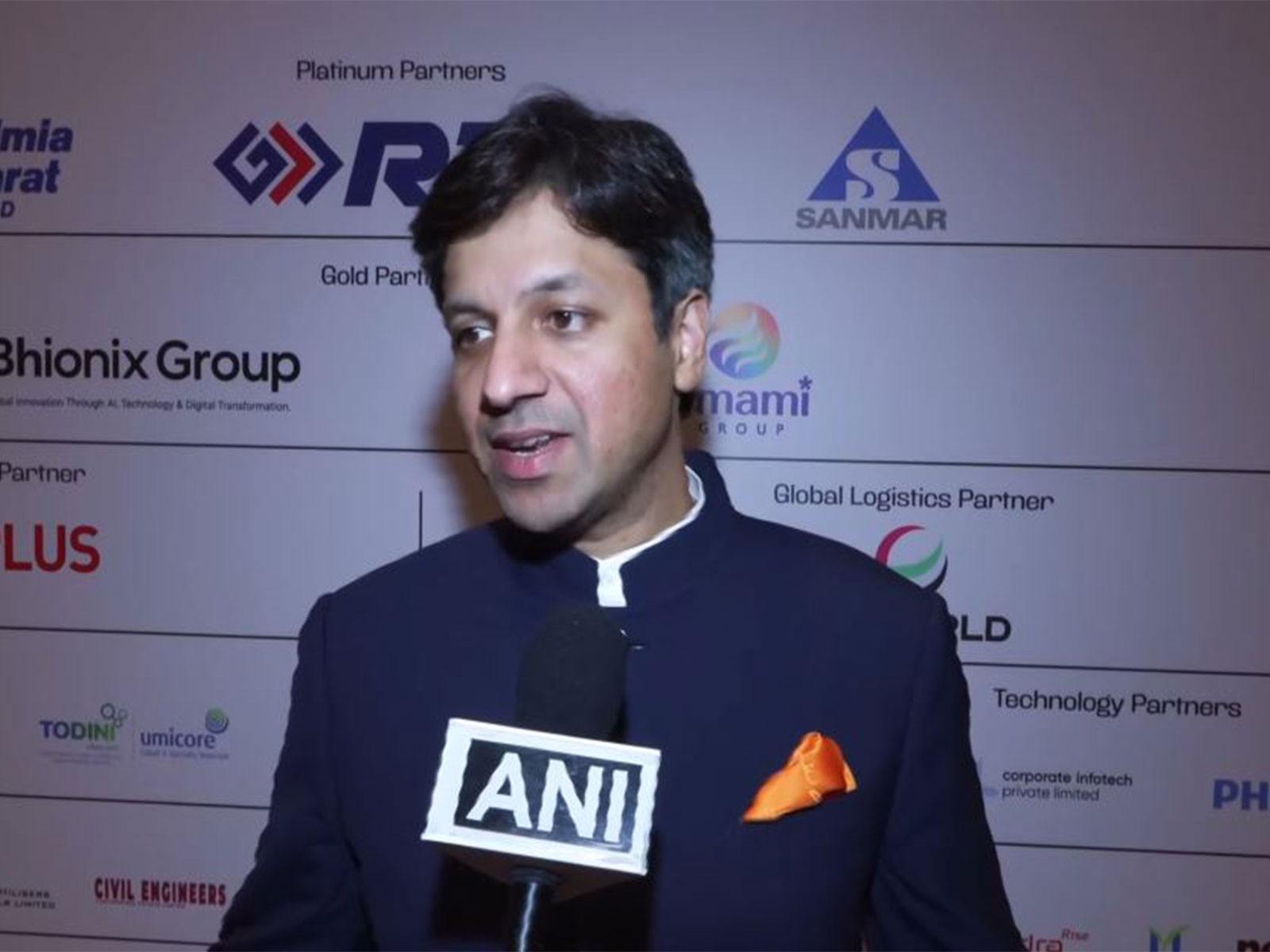
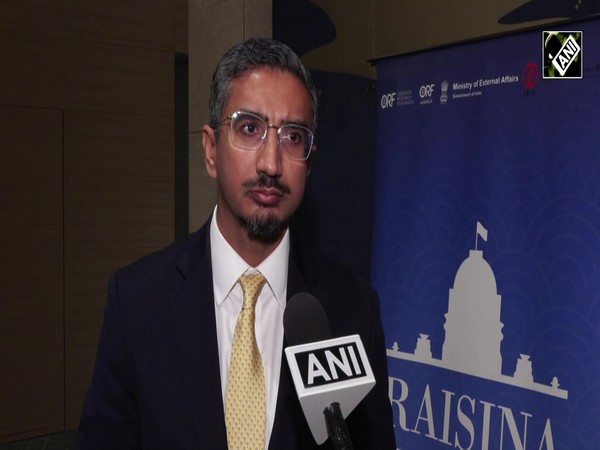
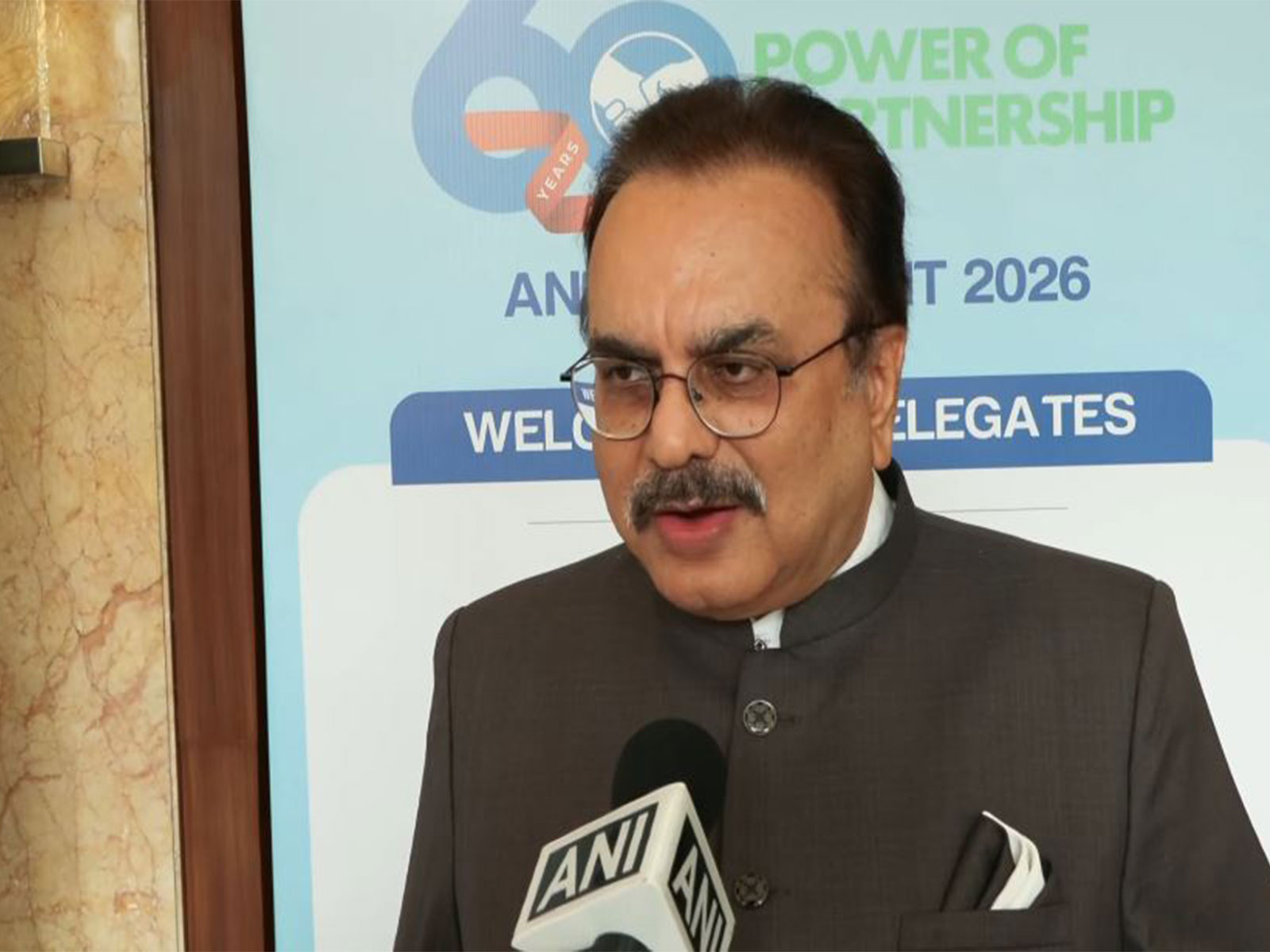
Speaking to ANI on the sidelines of the OPPI Annual Summit 2026 on Pharmaceutical Innovation in New Delhi, OPPI Director General Anil Matai said, “We support the government's initiative for trade margin rationalization.” He added, “There should not be abrupt price cuts.”
Matai cited the example of drug prices falling by 20 to 40 per cent overnight to explain why research-based drugmakers want greater predictability in pricing, patent decisions and regulatory processes.
The National Pharmaceutical Pricing Authority (NPPA) capped trade margins at 30 per cent for 137 specified non-scheduled anti-cancer medicines. The revised prices took effect on November 9. The regulator defines the trade margin as the difference between the price at which the manufacturer sells a drug to a stockist or distributor and its maximum retail price, excluding GST.
“So all the companies which were giving margins beyond 30% there you see a significant price reduction,” Matai said. He said companies whose margins were already within the cap could comply without cutting prices.
Matai also called for a reimbursement mechanism for expensive medicines, saying some drugs could remain beyond patients’ reach even after a 50 per cent price cut. “If we have to come out with a system or a mechanism for reimbursing, then this issue will get addressed,” he said.
On drug research, Matai flagged delays linked to objections raised before and after patents are granted. He also called for protection of the safety and efficacy data that drugmakers submit to regulators, saying companies spend years generating those data and that allowing later applicants to rely on them can weaken the incentive to invest in research in India.
“What is the incentive for a global investor to research in innovation in research in India?” he questioned.