Political analyst says she no longer trusts Pakistani state to protect citizens, BNM cites remarks at Germany conference
Nov 16, 2026
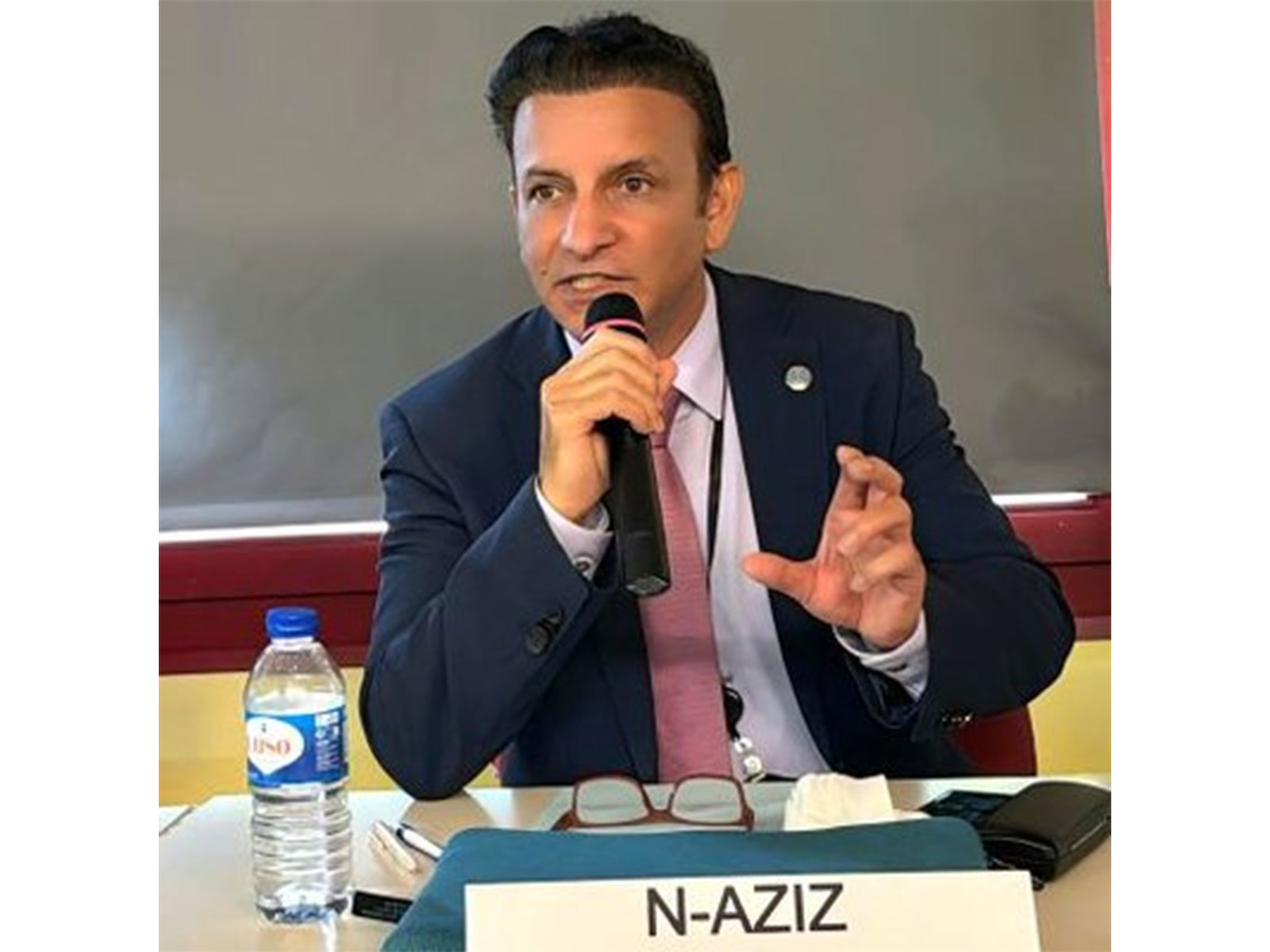
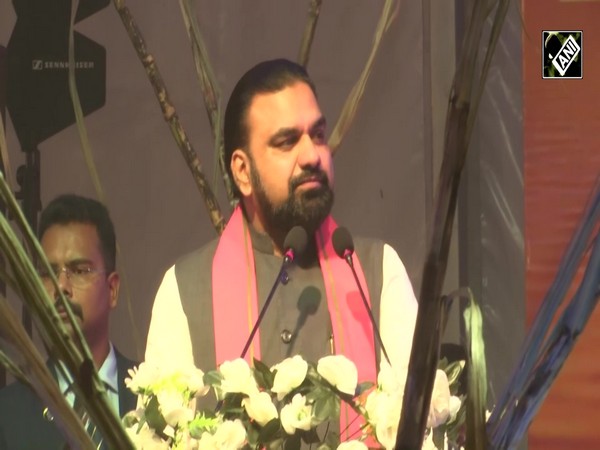
Balochistan [Pakistan], November 16 : Political analyst and author Ayesha Siddiqa has expressed a loss of confidence in the Pakistani state, questioning its ability to protect citizens and address their grievances, during a conference organised by the Baloch National Movement (BNM) in Hannover, Germany, on the occasion of Baloch Martyrs’ Day.
According to a post shared by BNM on X, Siddiqa addressed the gathering and said that she had attended the organisation’s annual event for several years in solidarity with the Baloch people. However, this time, she wanted to speak about her own sense of personal tragedy, strongly condemning enforced disappearances and saying that forcibly taking away sons and daughters from their parents could never be justified.
Recalling her participation in a protest in Islamabad around 2012–2014, Siddiqa said she had joined Mama Qadir and families of disappeared persons who had marched on foot from Shaal to raise their voices against enforced disappearances. She said her participation was also motivated by a desire to stand up for Pakistan, arguing that she would otherwise have no moral ground to ask the Baloch people to remain part of the country.
More than a decade later, however, Siddiqa said that her sense of belonging had disappeared. Questioning what she was protecting, she said the state's violence and authoritarian character had expanded, leaving her with no confidence in its ability to safeguard its citizens.
Criticising Pakistan's political and institutional structure, Siddiqa described the country as a colonial and rent-seeking state, arguing that it had functioned as a bureaucratic polity from its inception rather than as a genuine political state. She also characterised the prevailing system as "constitutional militarism", highlighting the military's entrenched influence over governance.
As cited in BNM's post, Siddiqa strongly criticised political parties and parliament, alleging that they had effectively surrendered their authority. She said parliament had willingly approved restrictions on the media and other measures sought by the military. She further argued that institutions such as the judiciary and civil bureaucracy had been weakened, while an alliance of military and civilian elite interests continued to dominate the distribution of national resources.
Connecting enforced disappearances and repression with the exploitation of natural resources, Siddiqa alleged that the state was facilitating the sale of mineral resources from Balochistan, Pakhtunkhwa and other regions without meaningful public consultation or accountability. She said fear, silence and repression were being used to protect the interests of those controlling these resources.
Referring to a recent conference in Islamabad attended by Field Marshal Asim Munir, she questioned the process of offering mineral resources without taking parliament into confidence or consulting the people of the regions concerned.
Siddiqa also drew parallels between the struggles of Baloch mothers searching for their disappeared children and Argentina's Mothers of the Plaza de Mayo, who campaigned to establish the fate of their missing loved ones during Argentina's military dictatorship.
She said mothers in both countries had faced similar circumstances, including being denied information about their disappeared family members, facing accusations and having their appeals ignored. She also referred to a book documenting the Argentine mothers' struggle.
Concluding her address, Siddiqa paid tribute to Baloch women who continue to campaign for the recovery of their missing loved ones and demand justice despite alleged state pressure, intimidation and the risks associated with their activism.