Preservation of manuscripts not exercise in nostalgia but investment in intellectual resources: EAM Jaishankar
Oct 13, 2026
New Delhi [India], October 13 : External Affairs Minister S Jaishankar said that the preservation of manuscripts is an investment in India's intellectual resources rather than an exercise in nostalgia, emphasising the importance of combining technology and tradition as the country moves towards the vision of Viksit Bharat.
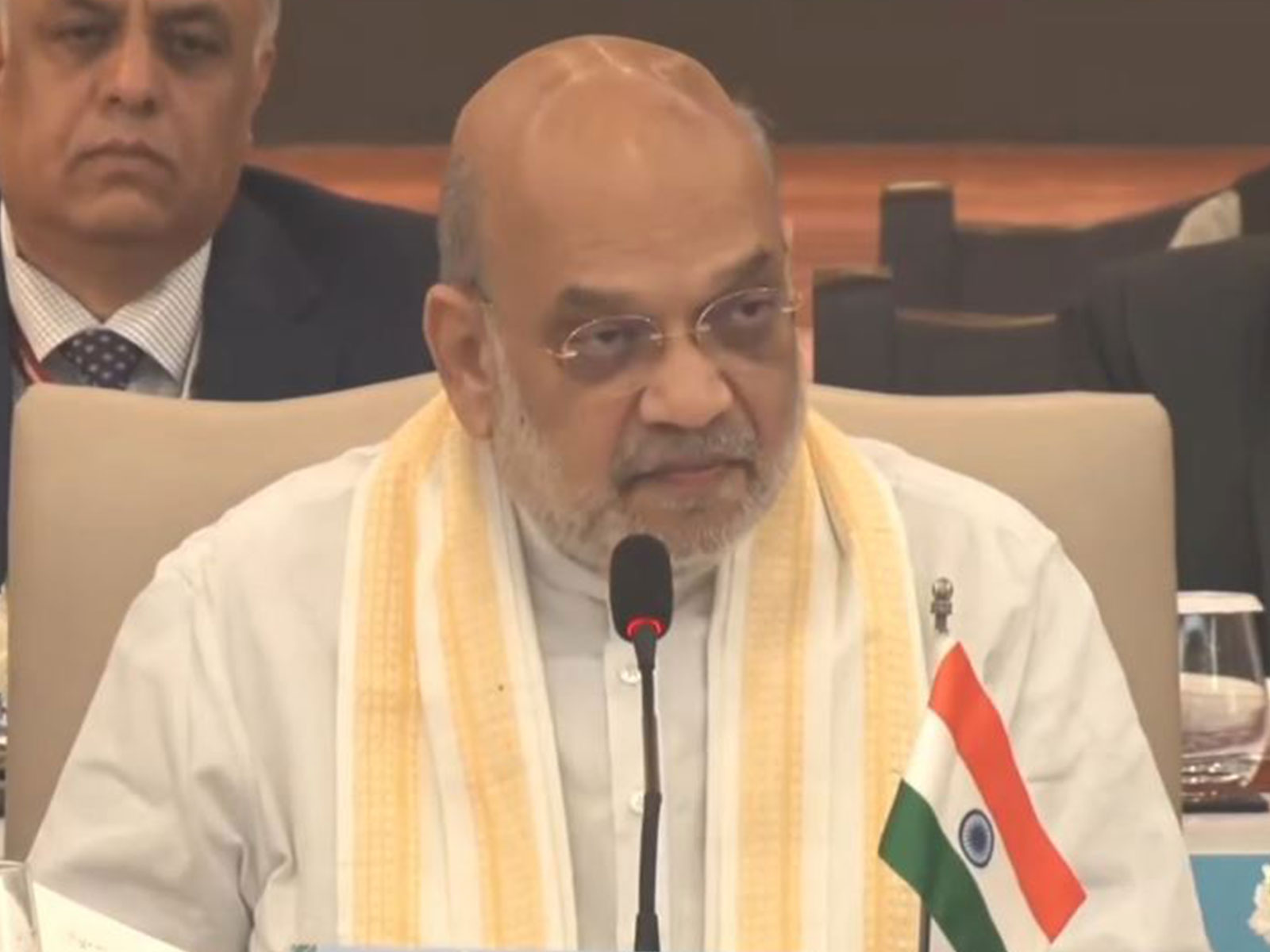
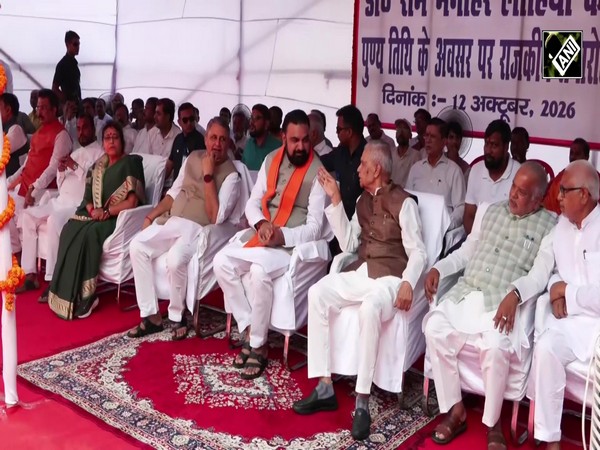
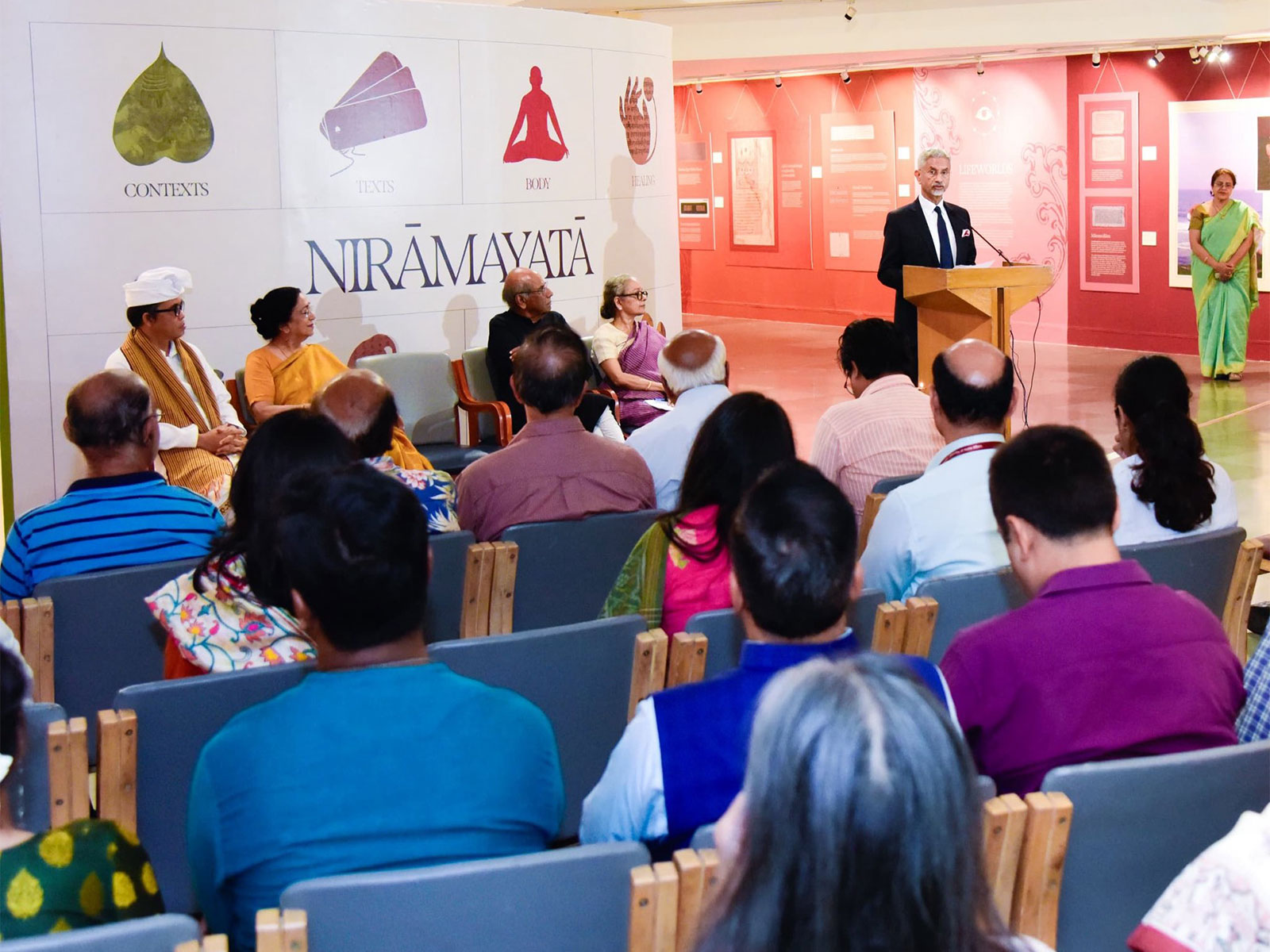
Speaking at the inauguration of the exhibition 'Nirāmayatā: Healing and Wellbeing in South Asian Texts and Practices' at the India International Centre (IIC) in the national capital on Monday, Jaishankar highlighted the value of preserving traditional knowledge and ensuring that historical experiences inform India's engagement with the future.
"As you can all see, the preservation of manuscripts is not really an exercise in nostalgia. It is an investment in our intellectual resources. It stems from a belief that experience can teach us, that it can enrich our engagement with the future, that it serves us well. At the end of the day, when we speak about Viksit Bharat, technology and tradition must work together. As we say, 'Vikas Bhi Virasat Bhi.' So I again commend IIC and all its partners for bringing this exhibition to the public," Jaishankar said.
The exhibition focuses on healing and wellbeing in South Asian texts and practices, bringing attention to the region's intellectual and cultural heritage.
Highlighting the broader role of Indian diplomacy in preserving cultural heritage, Jaishankar said that restoration, restitution and access to heritage were important areas of ongoing work, with India engaging in projects and initiatives beyond its borders.
"I want to say a few words about the particular subject of today's cultural rebalancing and associated activities from the perspective of the Ministry of External Affairs and Indian diplomacy. Today, there are a lot of efforts underway for restoration and restitution of heritage," he said.
"But there are projects we have been really very proud to be associated with. There's an ongoing project, a big project in Mỹ Sơn, in Vietnam. We have a deep involvement with Preah Vihear, with the Ananda temple in Myanmar," the EAM added.
The External Affairs Minister also highlighted India's efforts to facilitate the return of cultural heritage through diplomatic engagement, citing the recent return of the Leiden copper plates as a notable achievement.
"In terms of restitution, in fact, it has been very much the government's effort to actively examine the provenance of heritage outside India and see where it is that, through diplomatic efforts, we can seek the return. Very recently, we had the return of the Leiden copper plates. That was a very notable achievement," Jaishankar said.
He further pointed to growing international efforts to address the restitution of cultural heritage, particularly among countries in the Global South, noting that Ghana was leading an initiative focused on reparations and the return of cultural heritage.
"And in fact, I should also add that restitution itself is a very active subject because a lot of countries in the Global South have just come back from a trip to Africa. Ghana is leading an initiative both for reparations, which is a somewhat different subject, and also for restitution of cultural heritage. There is a lot that is happening, but the key to all of that, whether it is restoration, restitution, or access, is awareness. That people should know what their past is. That is really the point of beginning for anything that happens thereafter," he added.
Jaishankar also assured the India International Centre and its partners of the Ministry of External Affairs' support for the Samhita Initiative, expressing the need to explore ways to enhance its global impact.
His remarks underscored the importance of preserving India's intellectual and cultural heritage while ensuring that traditional knowledge continues to contribute to contemporary development and international cultural engagement.