Project 75 India can be used for creating submarine building and export hub in India: German TKMS
Nov 24, 2026
New Delhi [India], November 24 : Terming India one of the most important partners in the world, German submarine manufacturer TKMS has said that it wants to discuss the proposition of using the Project-75 India to create a submarine building and export hub in India.
The German firm TKMS, with its partner Mazagon Dockyards Limited, has been cleared in an Indian Navy tender to build six submarines with Air Independent Propulsion systems and is looking to sign a contract worth over Rs 80,000 crore with the Indian Ministry of Defence.
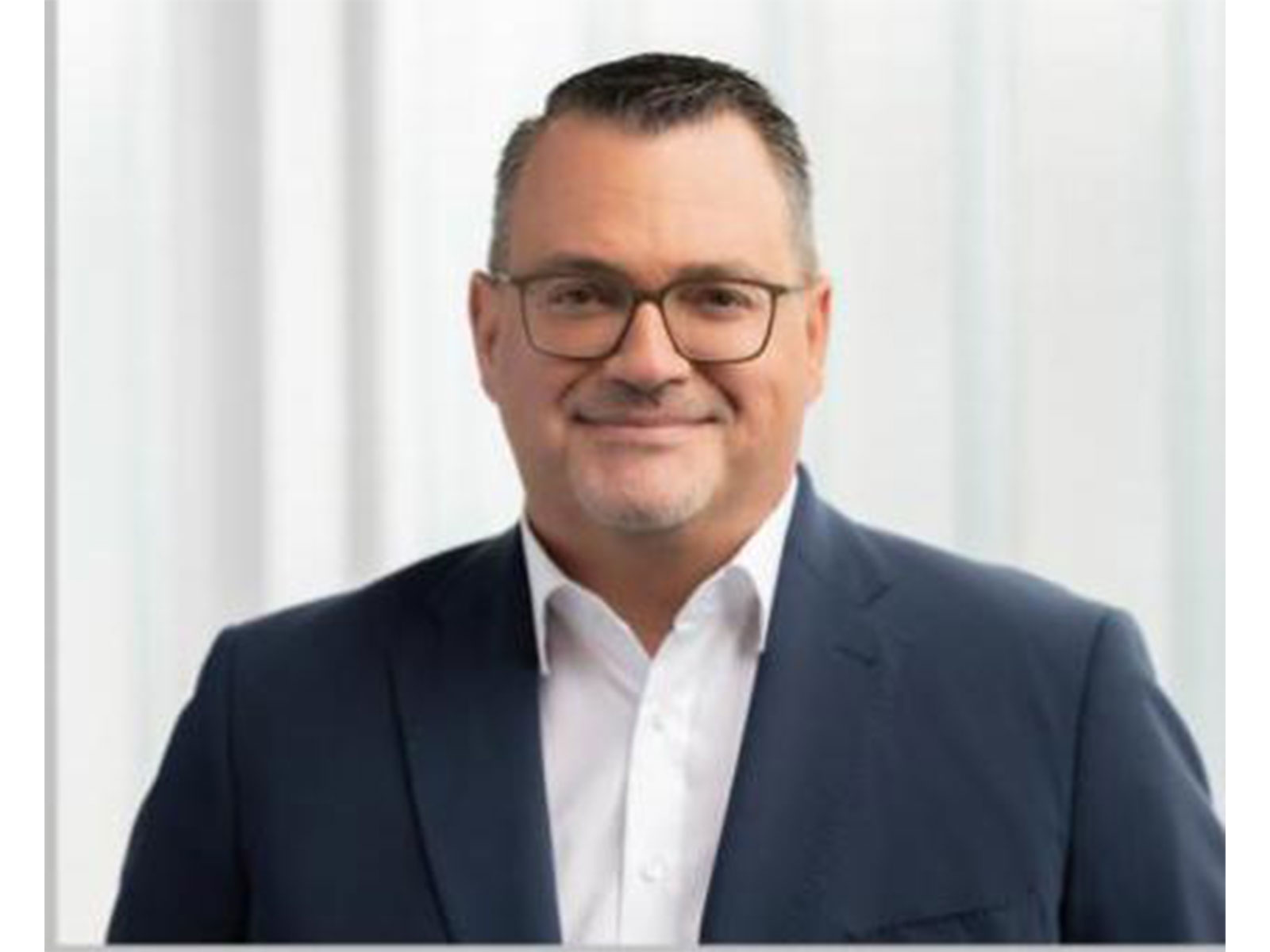
In an email interview with ANI, TKMS global CEO Oliver Burkhard, who will be exploring India next week, said, “India is one of the most important partners for TKMS anywhere in the world. We have worked with the Indian Navy for more than four decades. My priorities are to reaffirm our long-term commitment to India, to build on the partnerships already under way with Indian industry, and to discuss how P75(I) can become the foundation for a submarine hub in India.”
"A hub built on P75(I) would serve the Indian Navy first and then partners in the region and beyond. For Indian industry, that means long-term work for shipyards and suppliers, skilled engineering jobs, and a supply chain that serves both India and export customers,” Burkhard added.
The visit of the TKMS CEO comes at a time when India is in the final stages of processing two different submarine proposals, including one involving TKMS for six submarines while another one to build three more Scorpene submarines. For both the projects, state-owned MDL will be the main Indian partner.
Asked what it would take for India to emerge as a regional hub for submarine construction and exports, Burkhard said, “It takes the right foundation and the right partnership, which P75(I) provides for: the complete design, a strong role for Indian industry, and a step-by-step increase in Indian content in components and systems. The partnership means joint ventures with Indian companies, for the in-life support of the P75(I) fleet and for future programmes.”
The TKMS CEO said that his firm was “already working this way, with CFF on sonar and with MDL and Medha on a submarine motor.
"Indian and German engineers are working together and delivering for the Indian Navy. India brings the engineers, the industrial base and the location, and TKMS brings the designs, the technology and, with the support of both governments, access to international customers,” he said.
Burkhard said that already the German-designed submarines have been built in India, at Mazagon Dock in Mumbai, since the 1980s, so our relationship is long and deep. India has the engineers, the industrial base and the strategic location to be a lasting partner.
“P75(I) marks the beginning of a partnership. The Indian Navy selected our design as its next-generation conventional submarine, which is a great honour. For us, the real value lies in what we can build with India over the next thirty years. That includes joint ventures for in-life support and future programmes, and a step-by-step increase in Indian content in components and systems well beyond the initial contract,” he said.
Talking about the advantages that the Project-75 India would bring for the Indian Navy, Burkhard said that India will gain three things.
“First, a state-of-the-art submarine with air-independent propulsion and lithium-ion batteries. Second, the complete design, which gives Indian engineers the foundation for the next generation of submarines designed in India. Third, a broader industrial base, with a strong role for Indian industry, including the private sector. That is what sovereign capability means: India develops, modifies and supports its own submarines,” he said.
Burkhard said the submarines offered to India are from the Class 214 family of submarines built by TKMS and are in service with several navies.
“The German Navy is an early adopter of the technologies we offer India. It was the first navy to put fuel-cell air-independent propulsion into service. It will also be the first in Europe to operate lithium-ion batteries, on a TKMS-developed iron-phosphate system. India receives technology that our own navy relies on,” he said.
Burkhard pointed out that India receives the design itself, not just the right to assemble a product, and we have done this before. Internationally, our transfer of design, know-how and know-why has allowed partner countries to build and develop submarines in their own yards.
“Italy and Greece build TKMS-designed submarines in their own yards. Indian engineers will therefore be able to build on a complete design and take it forward themselves. That is the basis of a partnership between equals, "he said.