"Quite deplorable, needs to be condemned in strongest terms": Former diplomat criticises US after deaths of Indian seafarers
Jun 12, 2026
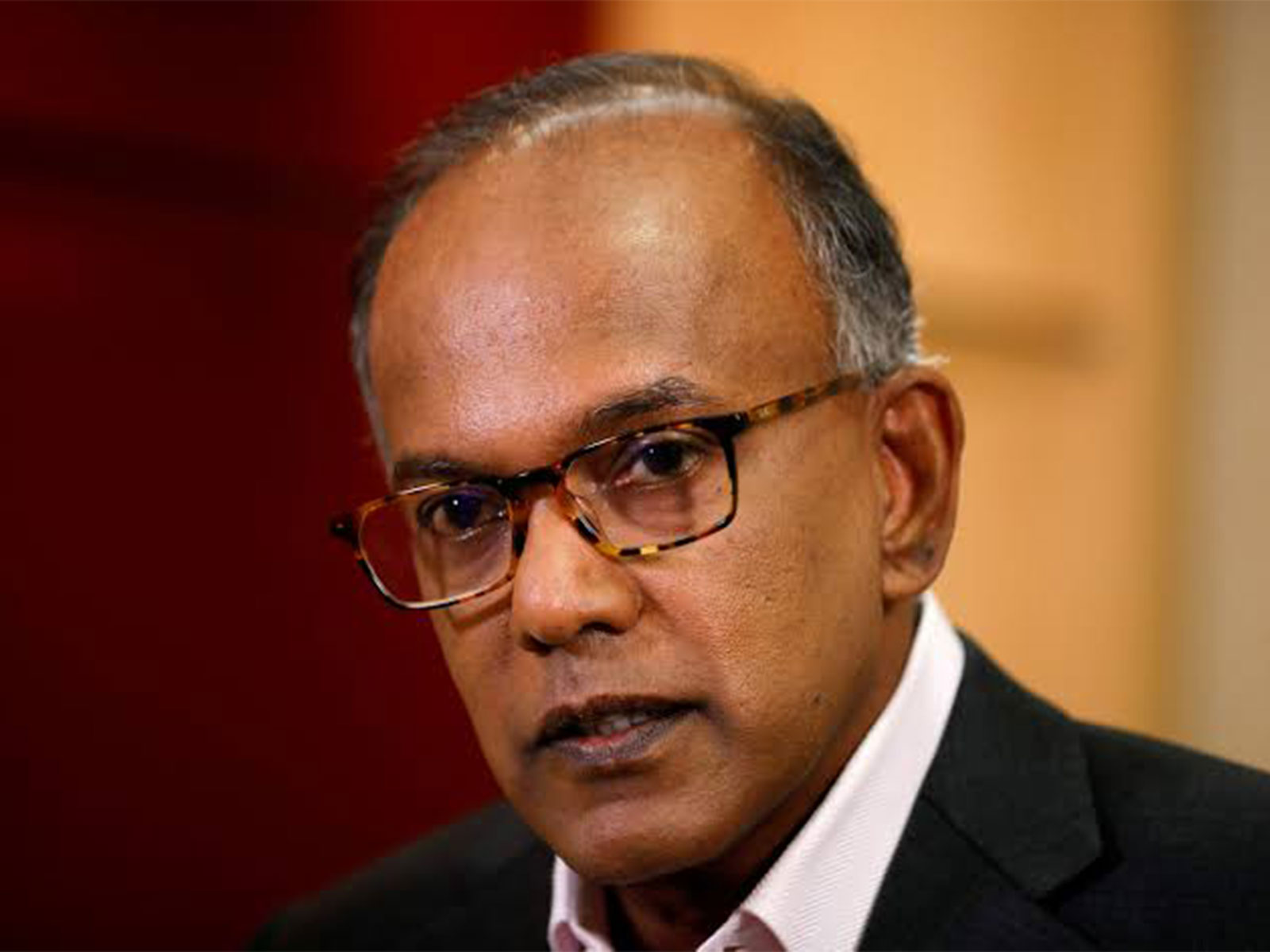
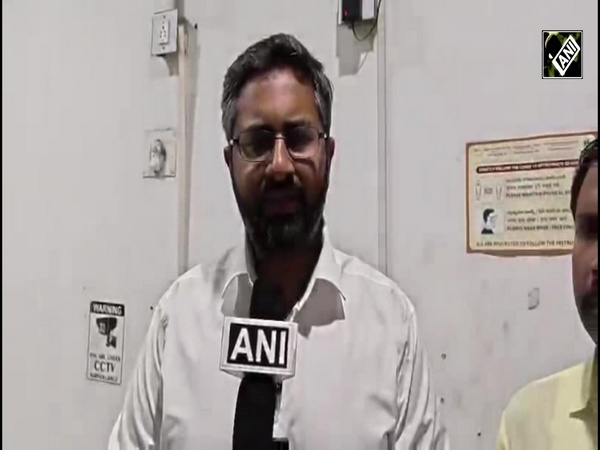
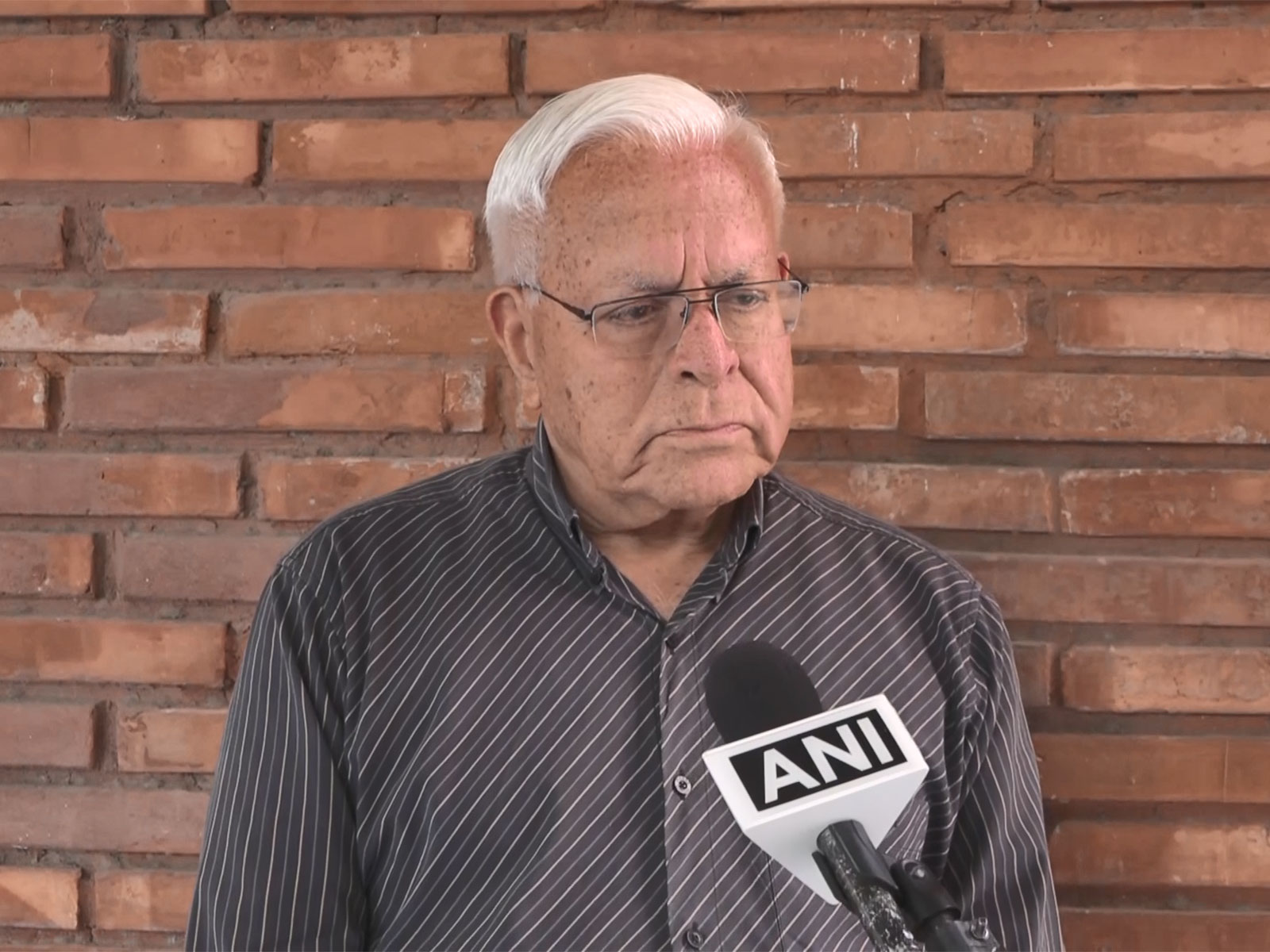
New Delhi [India], June 12 : Former diplomat Ashok Sajjanhar on Friday condemned the killing of three Indian seafarers in an attack on the Palau-flagged vessel MT Settebello, calling the United States' actions "deplorable" and "unacceptable".
Speaking to ANI, Sajjanhar criticised the lack of remorse shown by the US government. The incident occurred off the coast of Oman near the Strait of Hormuz.
"I think this is quite deplorable, what has happened and it needs to be condemned in the strongest terms. You're very right, India has summoned the Charge d'Affaires, Jason Meeks, because unfortunately, again, we have not heard any remorse from the United States that they knew that all the crew, the seafarers, were Indians and there were other means available to them," he said.
Sajjanhar asserted that the US could have utilised other means to stop the ship, characterising the military action against a defenceless vessel as "worse than a bully".
"So I think for all these many reasons, there is no rationale. There is no justification in my view for the United States to have gone all out, all guns blazing, meaning this is a defenceless, unarmed vessel and you're just going and shooting at them. What do you want to tell the world? Meaning this is not only a bully, but this is the action of someone worse than a bully," he said.
"I would imagine that they could have stopped the ship if there was any problem, if there was any difficulty, but for them to take this military action, to take this warlike action against a ship which is being manned completely by people from a country which is supposed to be having a comprehensive global strategic partnership with you," he added.
He argued that the vessel, which was unarmed and had no links to Iranian ports, oil, or cargo, should not have been targeted.
"I think this is totally unacceptable and you know, it should not in my view not be allowed to be left only at just summoning the Charge d'Affaires. I think we need to bring it home to the United States that this was not an enemy vessel that you are hitting. They also had nothing to do with any Iranian port or carrying any Iranian cargo or carrying any Iranian oil or anything, nothing at all. It had no relationship whatsoever and it was in the waters of the Gulf of Oman, as they understand," he said.
He urged the Indian government to take a strong stance, suggesting that India should mobilise international pressure to demand that the broader regional conflict be brought to an end.
"So I think the Indian government should take cognisance and should take it up very, very strongly with the United States. And also, I think getting people together from countries together to say that enough is enough. You know, this is, it's of course, the last instance of the three of our seafarers being killed that is very reprehensible," he said.
The former diplomat noted that the ongoing conflict has significantly disrupted global trade and energy supplies, noting that the Gulf region is crucial to India's economy, serving as its third-largest trading partner with approximately $200 billion in trade.
"But the manner in which the whole world is being made to suffer as a result of this war, as a result of this closing of the Strait of Hormuz, as a result of the bombing of the Gulf states by Iran, which is a consequence of the start of the war. I think that is totally unacceptable as far as the war is concerned, as far as the world is concerned. So the war itself, the international community needs to apply some sort of pressure so that this war can come to an end. The sooner the better," he said.
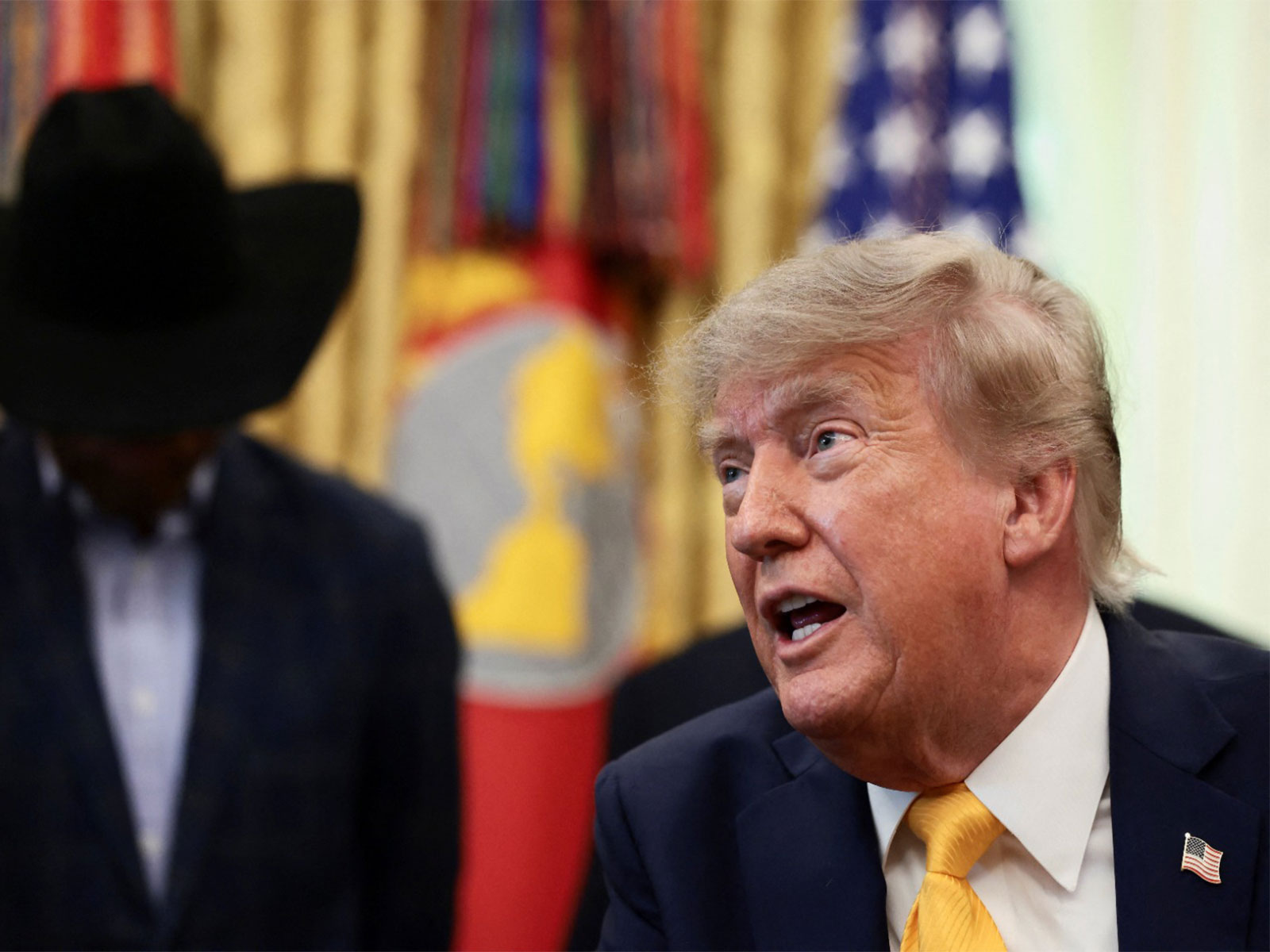
While US President Donald Trump has recently suggested that a deal to end the conflict is forthcoming, Sajjanhar expressed cautious scepticism, likening the repeated claims to the "shepherd boy calling wolf".
"I do sincerely hope that it is true. But then it is Mr Trump saying that a deal is in the offing and it's going to be there very soon. It's like, you know, a shepherd boy calling wolf, meaning we've heard it so often, meaning there, of course, the wolf is you know, that a threat or danger is coming here. He's talking about something positive that you know, a deal would be there. So there would be peace and everyone is really looking for peace. Everyone is really looking for an opening to the Strait of Hormuz because the whole world is suffering," he said.
He noted that while everyone is looking for peace and the reopening of the Strait of Hormuz, there remain significant complications, including Iran's reported determination to charge a toll on the strait.
"As a result, of course, energy fuels everything else, but it is also traffic. It's also a trade because that region is a very significant part of India's external trade, not only imports from there, but also exports to that region. The United Arab Emirates is our second largest export destination, and no exports from India have been able to go there and it is also our third largest trading partner. It is two hundred billion dollars of trade, I think that we have with the Gulf countries. So all that is suffering. So we would very sincerely hope that peace is on the way, that a deal is on the way," he said.
Sajjanhar further said that Iran, meanwhile, seems to be quite determined that it is going to charge a toll on the Strait of Hormuz, and there are many other complications there.
"But then I would like to keep my fingers crossed and I will wait for the final deal to be signed and the ink to dry before I can sort of you know, heave a sigh of relief that okay, some change is going to take place and we might see a situation that is pre 28th February because there are still so many obstacles. He says the deal is on the way, but Iran seems to be quite determined that it is going to charge a toll on the Strait of Hormuz and there are so many other complications there," he said.
He said that before saying anything for sure, one should wait to see how things pan out.
"So I will sort of, you know, hold my breath, so to say, right at this time and I'll wait for things to pan out, things to, you know, come out completely in the open before I can say that yes, we have something in reality and I hope it meets the expectations and needs of the world in general," he said.
Meanwhile, despite Iranian officials maintaining that reports of a deal with the US to end the conflict in West Asia remain "merely speculation", a memorandum of understanding between Tehran and Washington is expected to be signed in Geneva, Switzerland, with the proposed agreement reportedly including an extension of the ceasefire, reopening of the Strait of Hormuz and a framework for further talks on the Islamic Republic's nuclear programme, as reported by CNN citing multiple diplomatic sources.