Raghav Chadha raises issue of "cut money" between doctors, diagnostic centres; says it leads to "unnecessary medical tests"
Aug 06, 2026
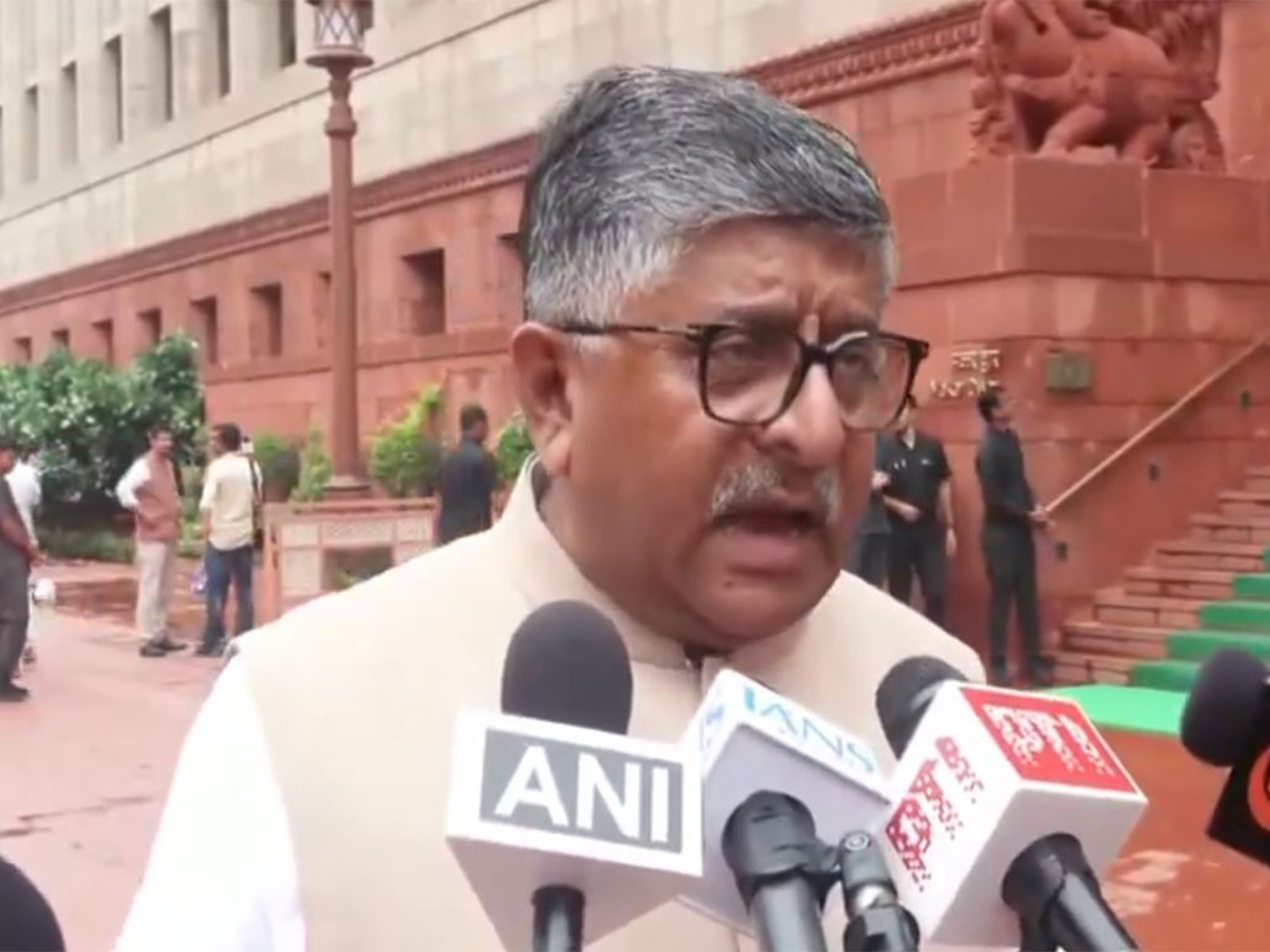
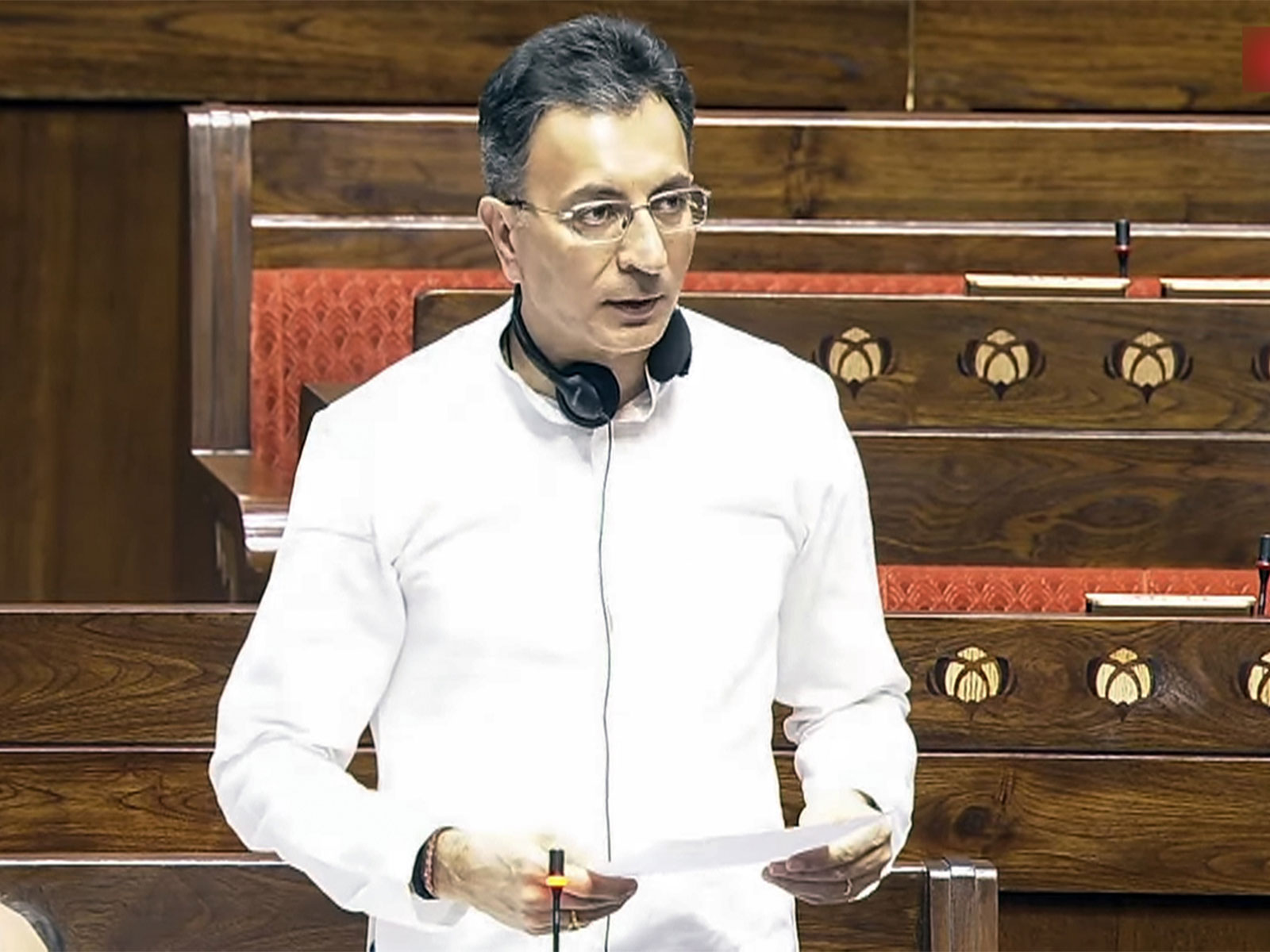
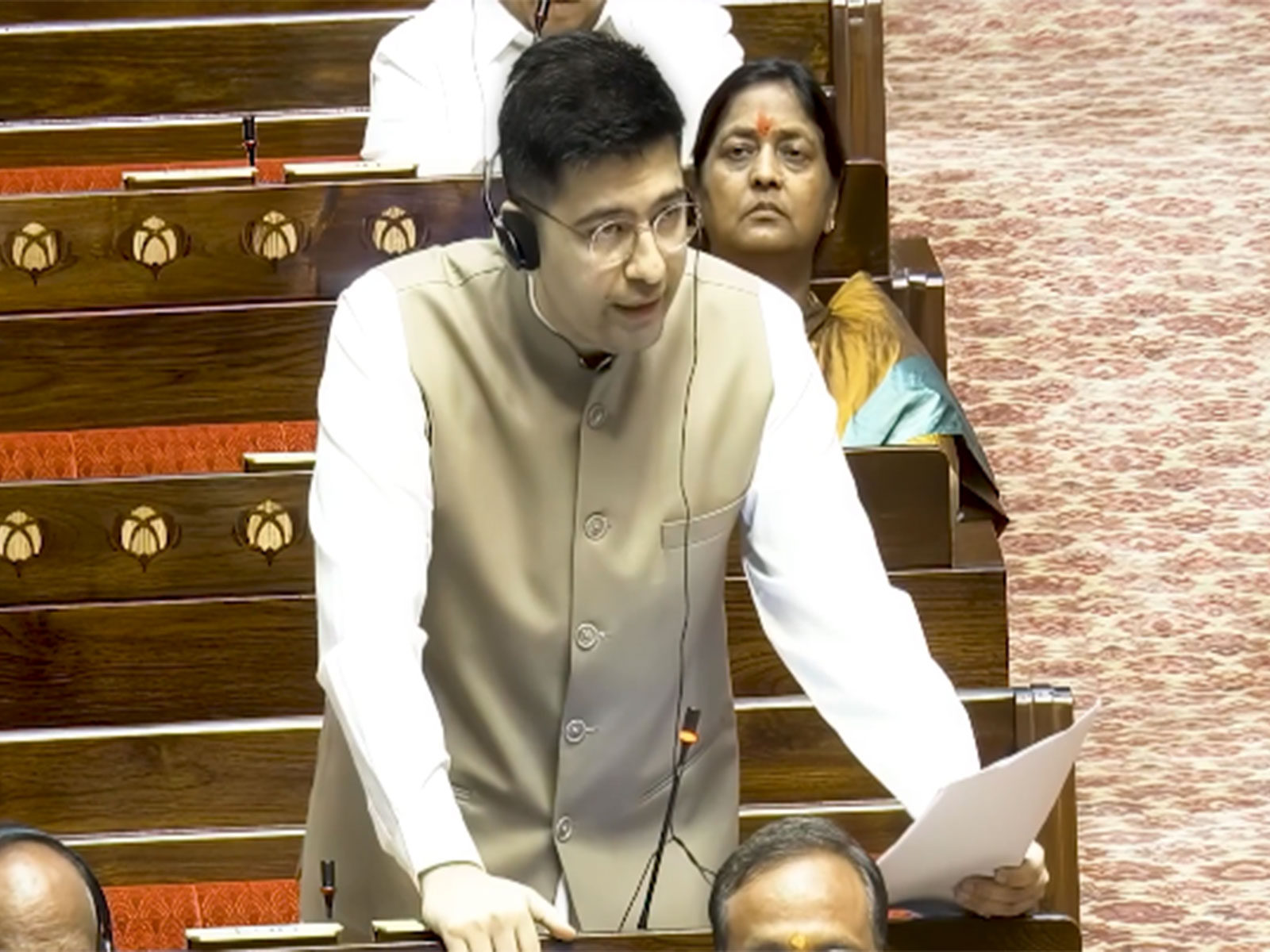
New Delhi [India], August 6 : BJP MP Raghav Chadha on Thursday raised the issue of alleged "referral commissions" and "cut money" arrangements between some doctors and diagnostic centres, alleging that the practice has evolved into a "parallel incentive economy" that inflates patients' medical bills and encourages unnecessary diagnostic tests.
Speaking during a discussion in the Rajya Sabha, Chadha alleged that the practice, though "informal", has become an entrenched system in parts of the healthcare sector.
"I am talking about the 'referral incentive' and 'cut money arrangement' going on between some doctors and certain diagnostic centers, which has now become an informal arrangement. Not to treat you, but just to refer you, Rs 3,000 is put into the doctor's pocket. There is a set commission rate, dedicated agents; it is a parallel incentive economy," he said.
The BJP leader alleged that these payments are presented differently by doctors and diagnostic centres in their records, while the financial burden is ultimately borne by patients.
"In sophisticated language, this is termed as a 'referral commission' for doctors, and in the accounts of diagnostic centers, it is recorded as a 'marketing expense'. This commission is usually charged as a percentage of the procedure cost, and in some instances, diagnostic centers even send doctors on foreign trips," he said.
Chadha pointed out that Regulation 6.4 of the Medical Council of India's Code of Ethics had banned the practice as "fee splitting" back in 2002. He further said that the National Medical Commission's Registered Medical Practitioner Regulations, 2023, also "specifically banned it as a referral commission", even prescribing suspensions ranging from one to three months for violators.
"In cases of gross violation, charges of cheating, conspiracy, and sections of the Consumer Protection Act can also be applied," he added.
Chadha flagged that the cost of the arrangement is ultimately passed on to patients.
"The burden of this cost--the burden of 'cut money'--is not borne by the diagnostic center; it is 'baked-in' and added to the patient's invoice or bill. The Indian Journal of Medical Ethics states that this can sometimes increase a patient's medical or treatment bill by 15 to 20 per cent," he said.
He argued that inflated billing is not the only problem. "The real issue is that it leads to a practice of unnecessary medical tests and over-referrals," he told the House.
Clarifying his remarks, Chadha said his criticism was directed at the alleged referral commission system and not at the medical profession.
"This demand is not against doctors; it is only against the 'cut money' referral system. We consider the doctors of our country to be a secondary form of God," he said, adding that most doctors serve patients with complete honesty, dedication, and integrity but that some had become "trapped in this referral system."
The MP also offered patients a set of warning signs to watch for. He said pressure from a doctor to visit one specific diagnostic centre, visible irritation if a patient chooses an equally accredited alternative lab, or the presence of marketing executives or promotional material for a diagnostic centre inside a doctor's clinic should all be treated as "red flags".
"I would like to say that patients should specifically watch out for 'red flags'. When a doctor pressures you to go to one specific diagnostic center, take note. If they become irritated or unhappy because you got tested at another equally accredited facility or pathology lab, treat that as a red flag. If you see marketing executives or promotional material for a diagnostic center in the doctor's clinic, pay close attention to that as well," he said.
Chadha alleged that the practice is particularly prevalent in Tier-2 and Tier-3 cities, where, according to him, referral commissions between some doctors and diagnostic centres have evolved into an "informal economy."
He urged that such practices be curbed to ensure greater transparency in the healthcare system and to protect patients from unnecessary financial and medical burdens.