Rahul Gandhi's remarks against Savarkar: SC quashes summon defamation complaint
Aug 14, 2026
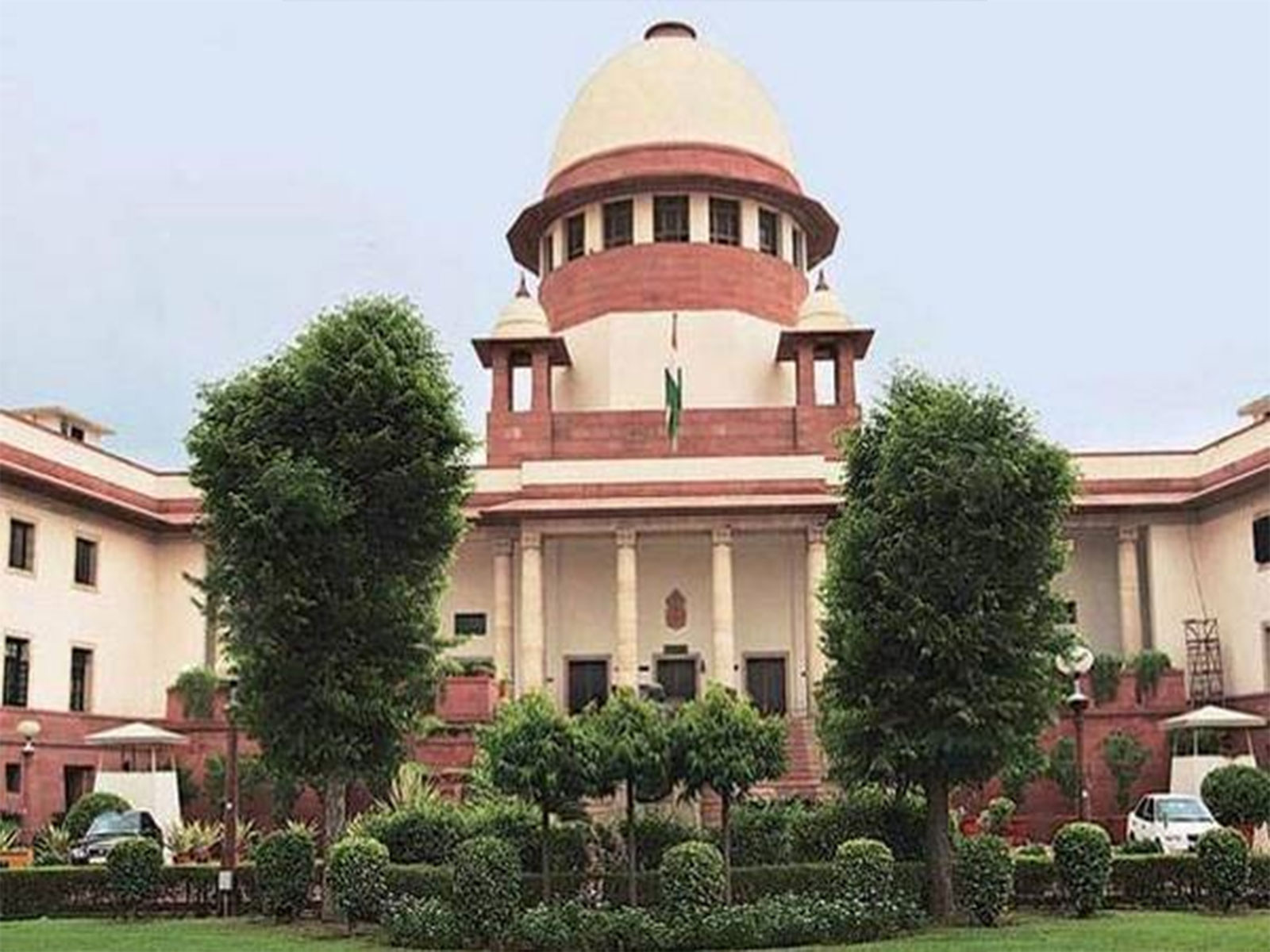
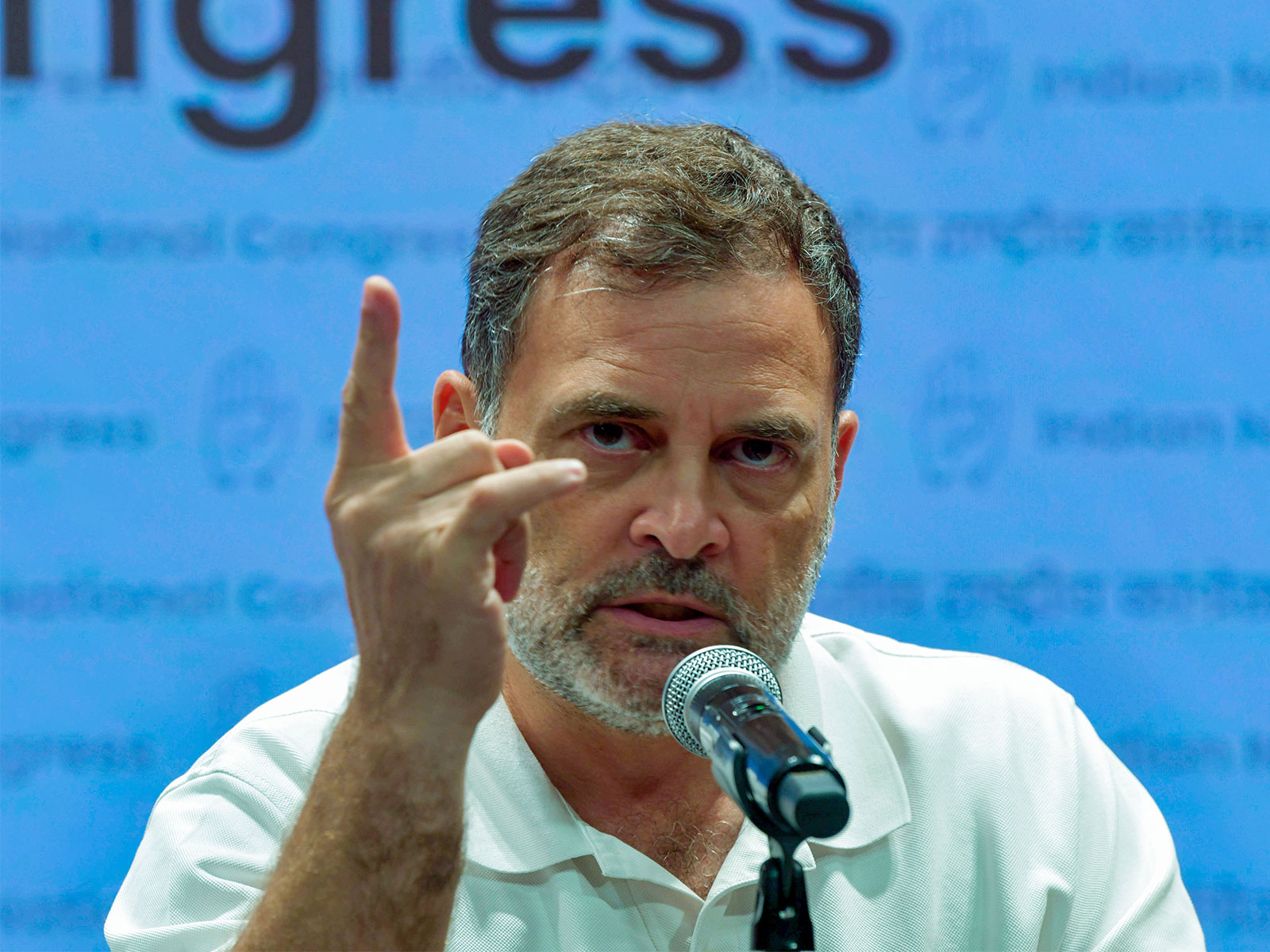
New Delhi [India], August 14 : The Supreme Court on Friday quashed a criminal defamation complaint and the summons issued against Congress leader and Leader of Opposition Rahul Gandhi by a Lucknow Magistrate court over his alleged remarks against freedom fighter Vinayak Damodar Savarkar during the 2022 Bharat Jodo Yatra.
A bench of Justices Dipankar Datta and Sheel Nagu quashed the complaint and the orders passed by the Magistrate after taking note of the Uttar Pradesh government's failure to disclose the requisite sanction in the case.
The bench said that the Additional Solicitor General and the complainant's counsel, based on the affidavit filed by the Uttar Pradesh government, submitted that there was no disclosure of the sanction.
"In such view of the matter, the complaint and orders passed by the magistrate stand quashed," the bench said in its order.
The case stemmed from remarks allegedly made by Gandhi during a press conference in 2022, in which he referred to Savarkar as a "servant of the British" and alleged that he received a pension from the British.
Advocate Nripendra Pandey had filed the complaint, alleging that Gandhi had made the remarks with an intention to spread hatred in society.
The Lucknow Magistrate court had summoned Gandhi as an accused in the case on December 12, 2024.
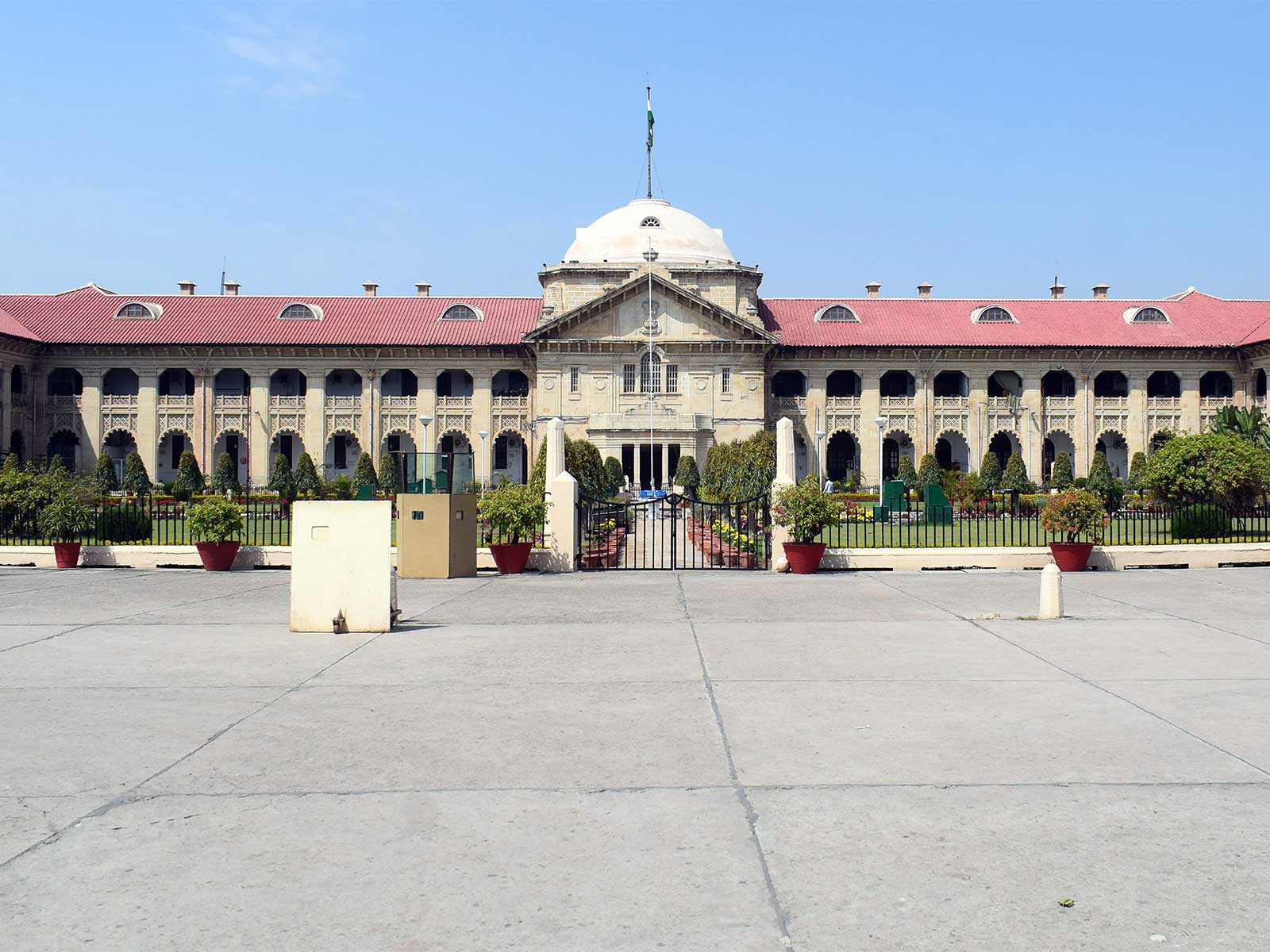
Gandhi subsequently challenged the summons before the Allahabad High Court. However, the High Court on April 4, 2025, refused to quash the summons and orally observed that Gandhi could approach the Sessions Judge under Section 397 of the Code of Criminal Procedure (CrPC) for revision of the lower court proceedings.
Gandhi then approached the Supreme Court against the High Court order.
On April 25, 2025, the Supreme Court had stayed the trial court proceedings arising from the summons. At the time, the apex court had also cautioned Gandhi against making derogatory or controversial remarks against freedom fighters in the future, warning that he could "face consequences" if he repeated such remarks.
The Uttar Pradesh government had earlier opposed Gandhi's plea before the Supreme Court. In its affidavit, the state government said the summoning order was passed after a detailed re-examination of the case file, statements and investigation report, which, according to the government, supported the allegations against Gandhi.
The state had also alleged that Gandhi's remarks amounted to a "deliberate spreading of hatred through pre-planned actions" and argued that the High Court's decision declining relief to him was legally justified.