Rajya Sabha likely to take up Public Examinations Amendment Bill tomorrow
Jul 29, 2026
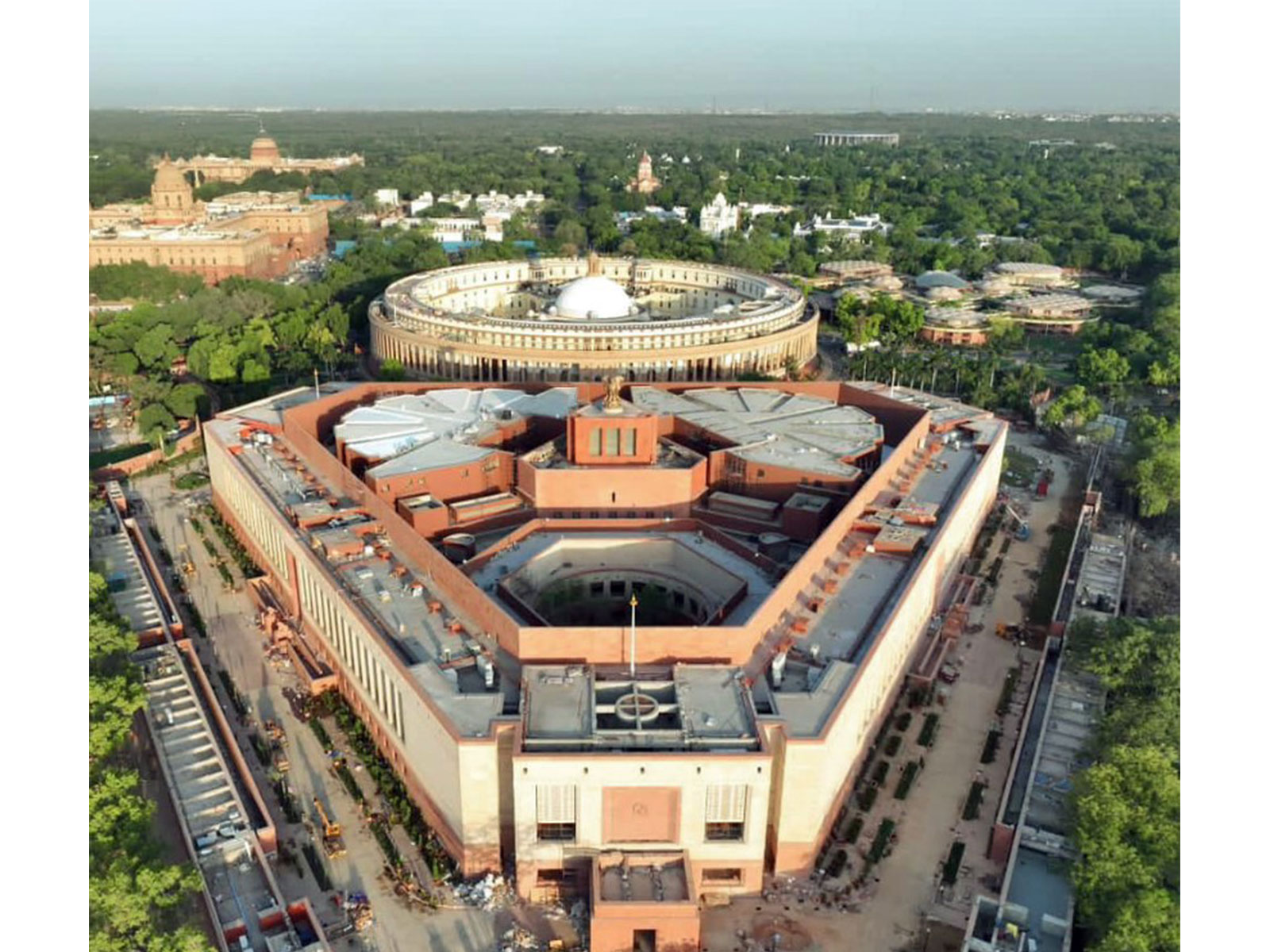
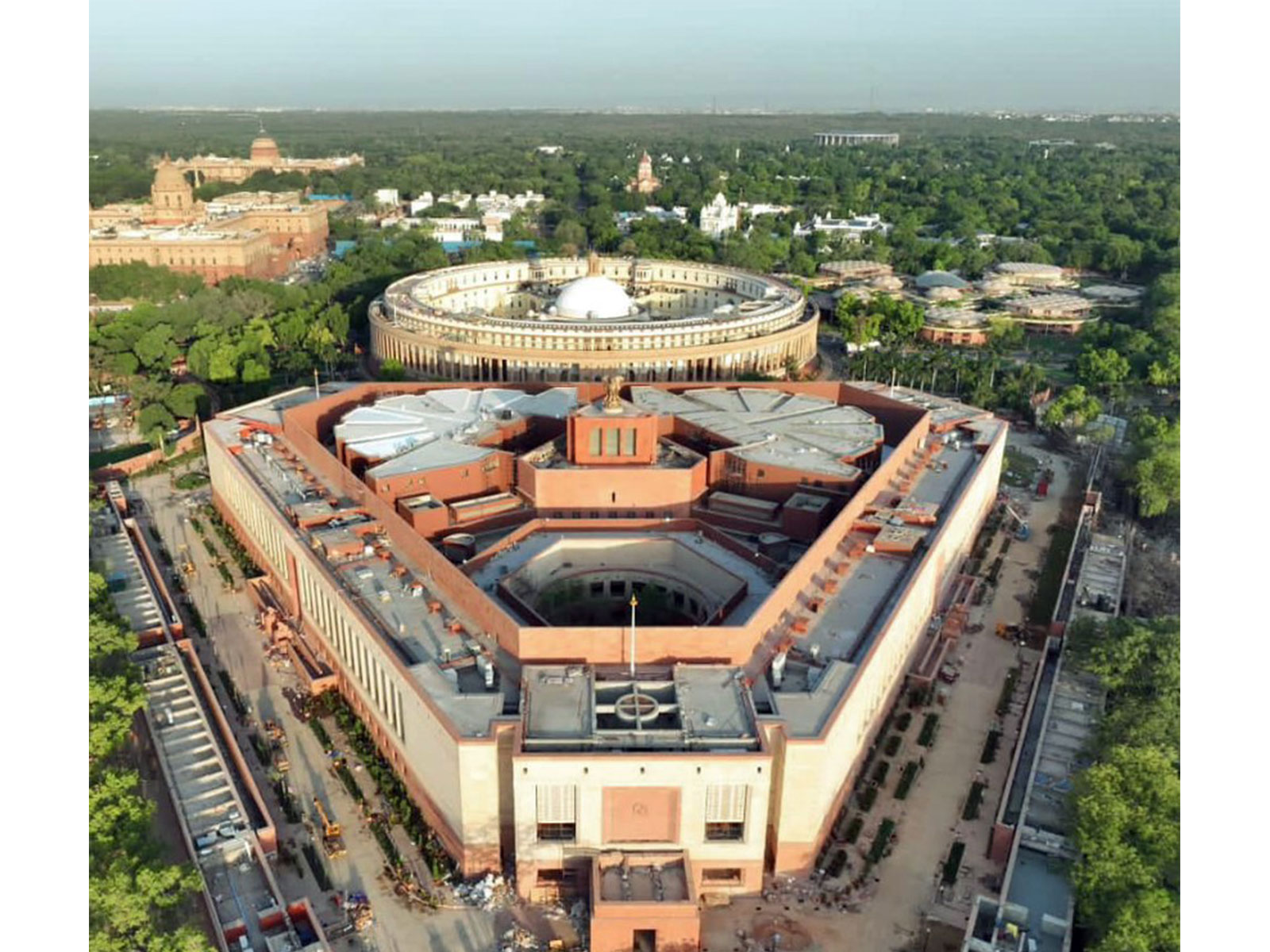
New Delhi [India], July 29 : The Rajya Sabha is slated to take up the Public Examinations (Prevention of Unfair Means) Amendment Bill, 2026 on Thursday, a day after the Lok Sabha passed the bill aimed at strengthening the legal framework to curb paper leaks.
The discussion is likely to begin at 2 pm and is expected to last seven hours.
Mallikarjun Kharge and Mukul Wasnik are among Congress leaders expected to take part in the debate.
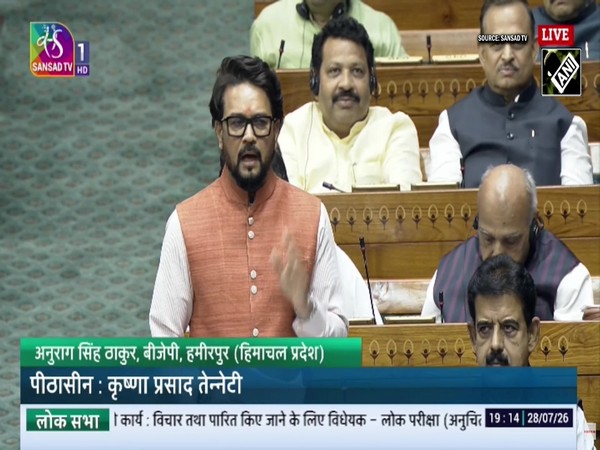
Lok Sabha passed the Public Examination (Prevention of Unfair Means) Amendment Bill, 2026 after a brief reply by Union Minister Jitendra Singh, who took several digs at Congress leader Rahul Gandhi, alleging that he had used unparliamentary language and that he "is even aware of basic parliamentary norms".
The Bill saw a marathon debate start at 2 pm on Tuesday and the House sat till 11 pm. It resumed debate on Wednesday.
The Bill proposes to enhance the punishment for persons resorting to unfair means by increasing the term of imprisonment to not less than five years, extendable up to ten years, as against the existing provision of imprisonment for a term of not less than three years, extendable up to five years.
The maximum fine is also proposed to be enhanced from Rs 10 lakh to Rs 50 lakh.
For service providers found involved in offences, the Bill proposes to increase the maximum fine to Rs 5 crore and extend the period of debarment from conducting any public examination from four years to eight years.
For organised examination-related crimes, the Amendment Bill proposes to increase the minimum term of imprisonment from five years to seven years, extendable up to ten years, while enhancing the maximum fine from Rs 1 crore to Rs 10 crore.
The Bill also empowers the Centre to constitute a Special Task Force for probing the paper leak and examination-related offences and also proposes a new Section 12A providing for completion of investigation within two months, designation of Courts of Session as Special Fast Track Courts for day-to-day trial of offences, completion of trial within three months from the date of filing of the charge sheet, and appointment of Special Public Prosecutors for every Special Fast Track Court.