Refusing oral fluids and IV fluids, Sonam Wangchuk conscious but dehydrated: Safdarjung Hospital
Jul 18, 2026
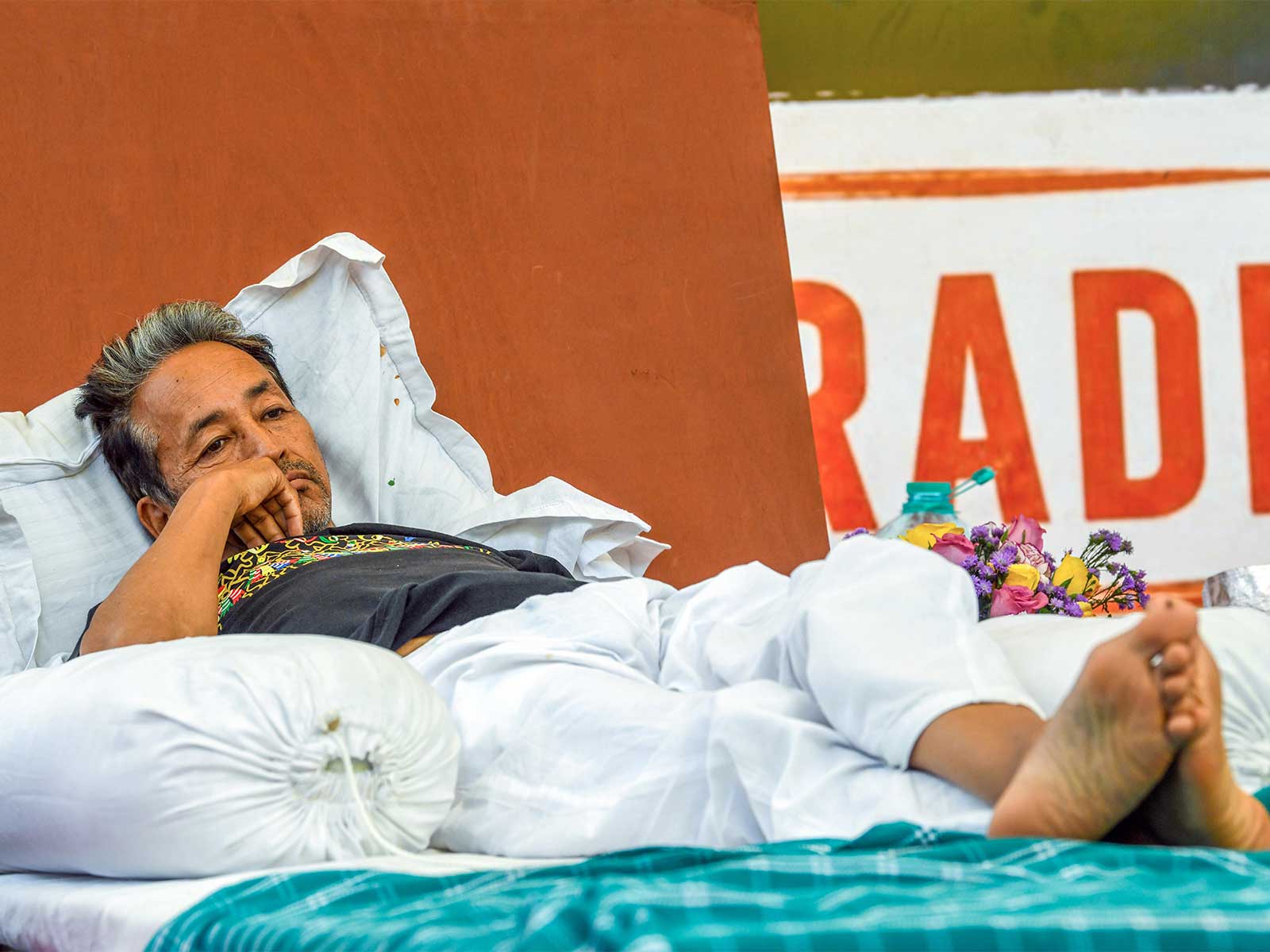
New Delhi [India], July 19 : Activist Sonam Wangchuk, who was admitted to the Safdarjung Hospital on Saturday amid his ongoing hunger strike, remains conscious and clinically stable but is showing signs of dehydration and continues to refuse oral and intravenous fluid therapy despite repeated counselling by doctors, Medical Superintendent Dr Charu Bamba said.
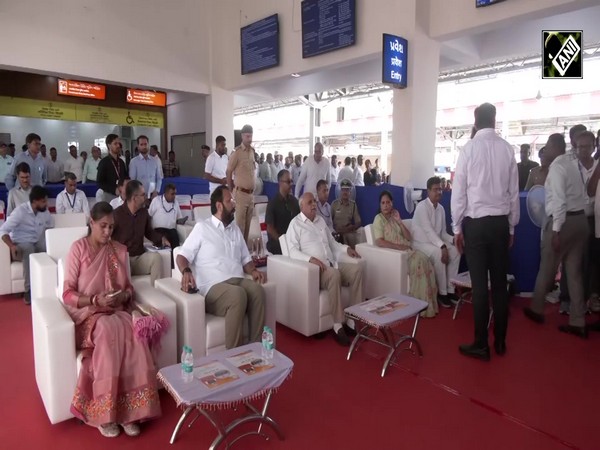
Wangchuk was brought to the hospital by the Delhi Police on Saturday morning in a careful three-layered operation for essential medical care following the orders of the Delhi High Court. This came two days ahead of the planned march to Parliament on the first day of the Monsoon Session on Monday (July 20).
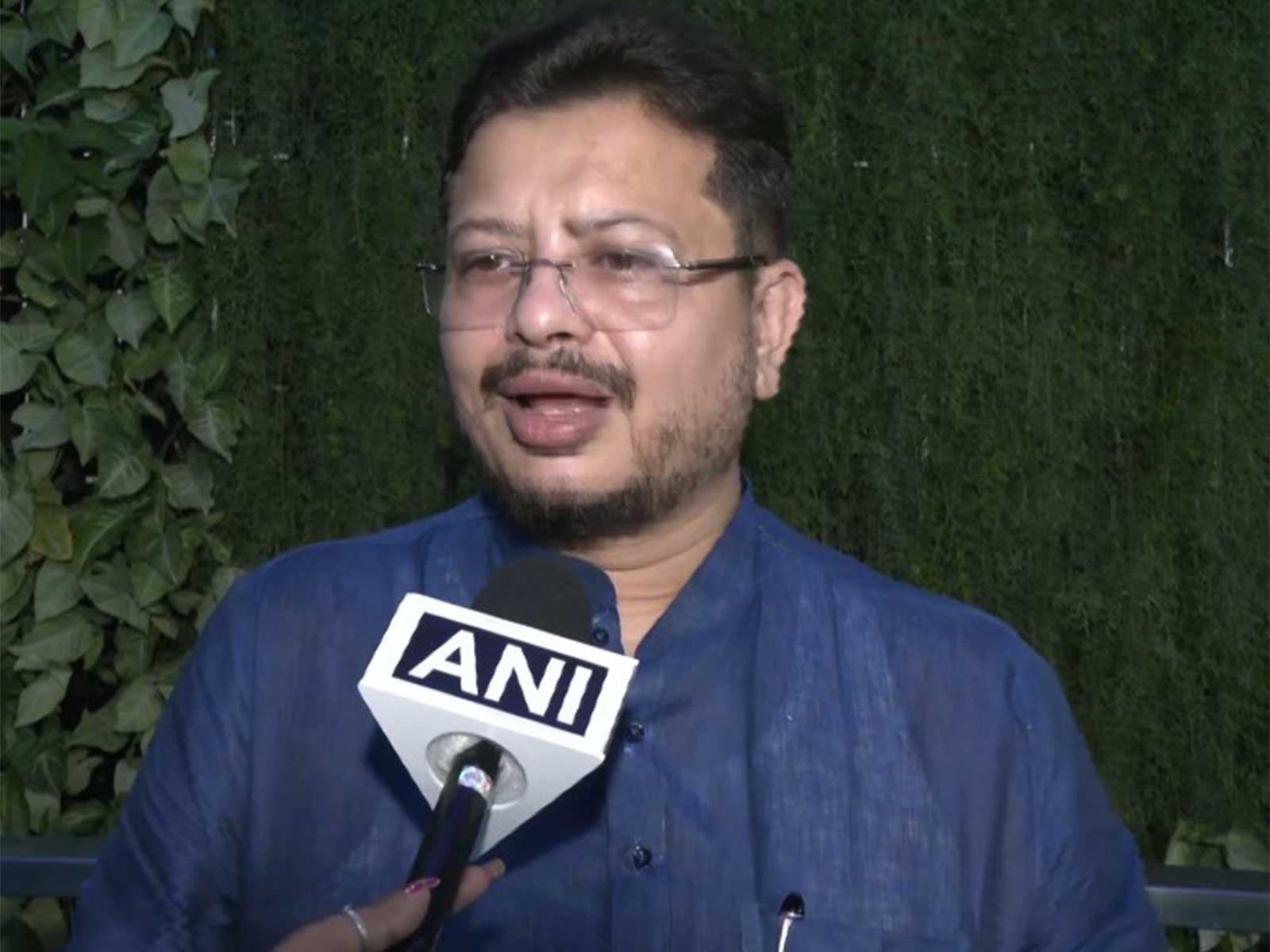
While speaking to ANI, Dr Bamba said Wangchuk was admitted to the hospital at around 7.30 am and continues to observe his fast. His vital parameters, including blood pressure, pulse rate and oxygen saturation, are stable, and he is fully conscious and oriented.
"He is definitely showing signs of dehydration. He needs treatment. But despite our counselling, he is refusing treatment. He is accepting neither oral rehydration fluid, electrolyte solution, nor IV therapy," she said.
Referring to the Delhi High Court's directions, Bamba said AIIMS Additional Professor of Emergency Medicine had joined the treating team, examined Wangchuk and given an expert opinion in line with the hospital's assessment. She said doctors were continuously monitoring Wangchuk and counselling him to accept fluid therapy or oral rehydration solution.
"Keeping in mind the High Court orders, AIIMS Additional Professor, Emergency Medicine, Dr Akshay Kumar has also joined our team. He has checked the patient and taken his history. He has given his expert opinion which is in line with ours," she said.
"We are monitoring him continuously. We are also trying to talk to him so that he takes IV fluids and IV electrolytes. We are doing whatever best we can do for him and trying our best that we can get him better as soon as possible," she added.
In a statement on Wangchuk's health issued later in the evening, the Ministry of Health and Family Welfare said Wangchuk's family had not yet consented to the recommended medical intervention, despite repeated counselling by the treating team and an independent AIIMS expert.
The ministry said Wangchuk continued to remain under close medical observation while efforts were being made to persuade him and his family to accept the recommended treatment at the earliest.
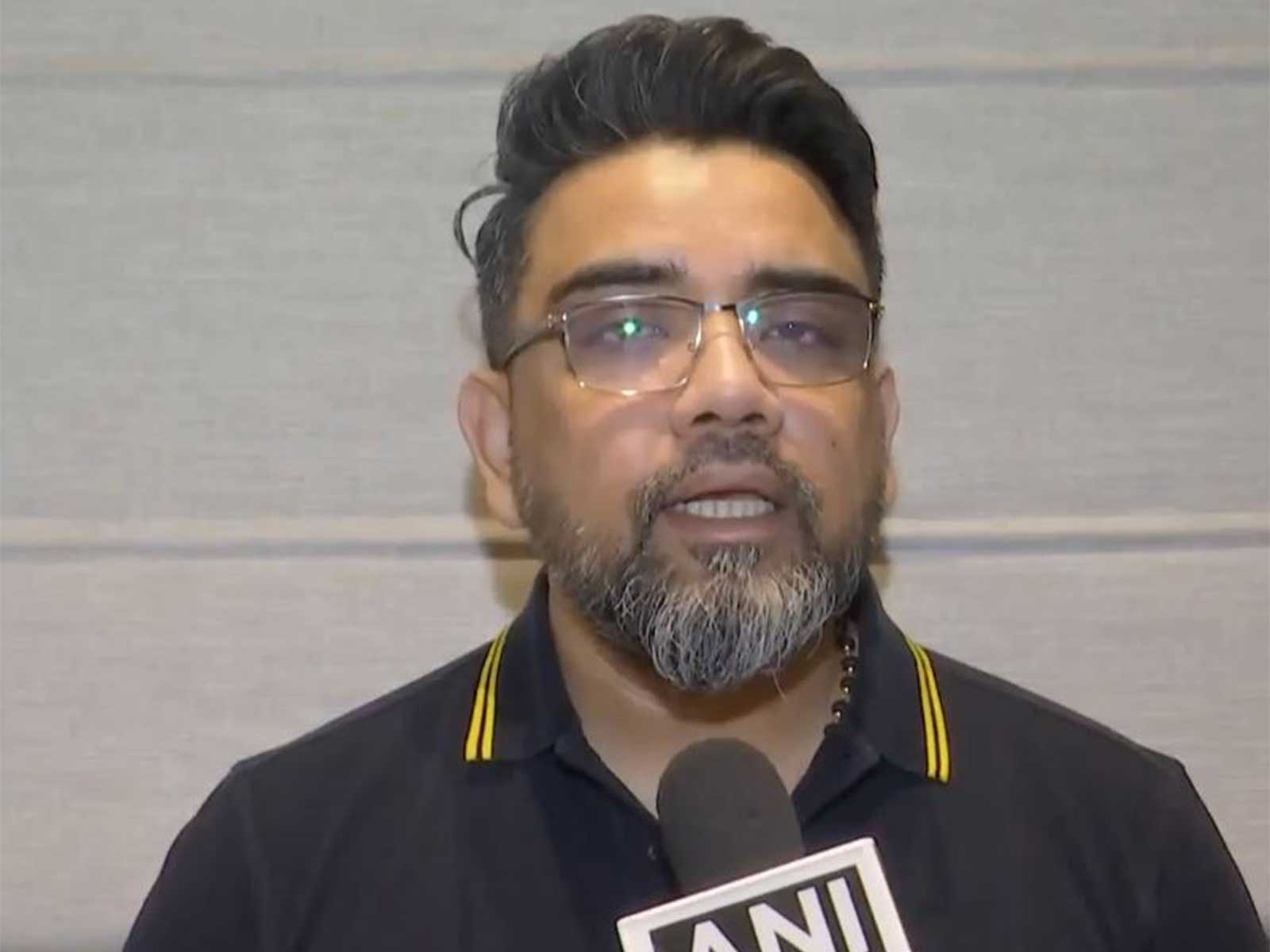
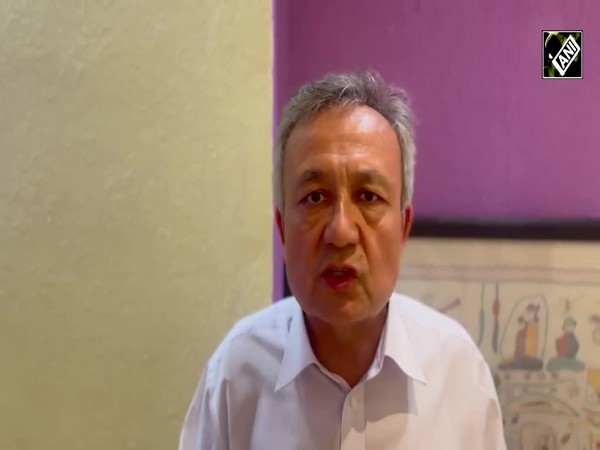
General physician Dr M. Wali, while commenting on activist Sonam Wangchuk's hunger strike, explained the medical risks of extended fasting and said intervention may be required if ketone levels in the blood rise dangerously.
Speaking to ANI, Dr. Wali said the formation of ketone bodies is a natural process during fasting. However, he cautioned that the benefits reverse once ketone levels cross a certain threshold.
"Ketone bodies in the blood develop after fasting. We do fasting monthly or in some religions for 40 days and we do 'vrat' routinely. The practice of 'vrat' is very important, it stimulates healthy metabolism which includes ketone body formation. This ketone body formation is neutralised once we start taking food. If the ketone level is around 0.3 mmol/L then it is not harmful. You can get fatigue, exhaustion and you may feel hungry. But if it reaches between this amount and up to 3, then this becomes very harmful to the body and various organs," he said.
The physician noted that while ketones serve as nutrition for the brain, high levels in the blood can be dangerous. Dr. Wali added that in cases of prolonged hunger strikes, medical teams advise the individual to eat. If they refuse, "we are advising them forced nutrition or forced feeding."
"If the ketone level is around .3 mmol/L then it is not harmful. You can get fatigue, exhaustion and you may feel hungry. But if it reaches between this amount and upto 3, then this becomes very harmful to the body and various organs. Although ketone is the nutrition for brain, it is bad for blood. If it circulates in blood, it is called ketonemia. In diabetics, it is called ketoacidosis. So, these ketone levels, if they cross 3 are very harmful and in such cases, we ask such people who do hunger strike to eat and if they don't follow the command, we are advising them forced nutrition or forced feeding. Even if they don't feel like taking orally, glucose can be given intravenously. Their vitals, blood pressure, hydration, pulse, oxygenation - everything has to be monitored and this can be done in hospital setup," Dr. Wali added.