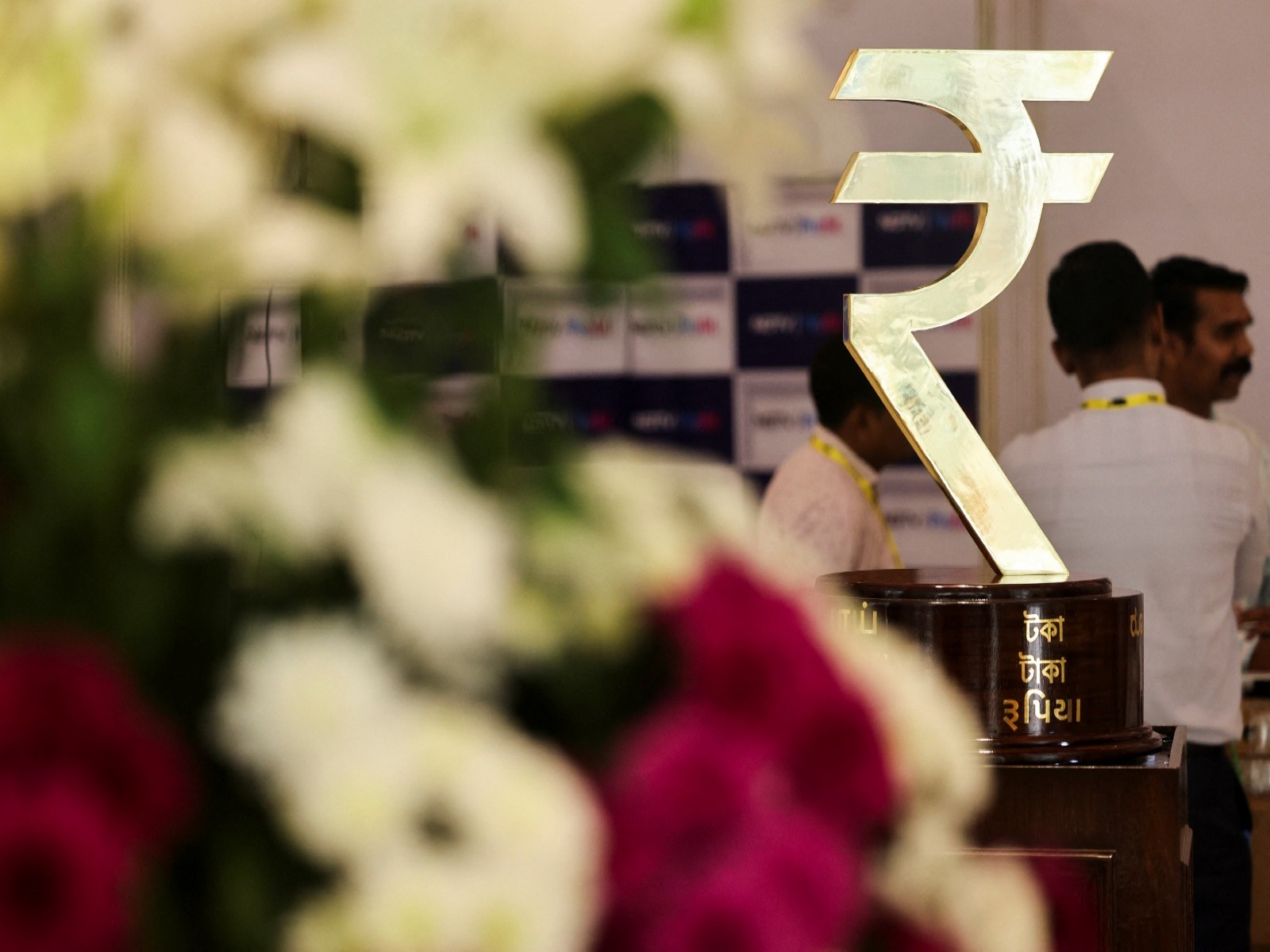
Rupee poised to appreciate towards 91–92 on record FPI inflows, crude enters $88–$100 comfort zone: Kotak Neo
Nov 20, 2026
Mumbai (Maharashtra) [India], November 20 : The Indian rupee has entered a macro sweet spot and holds the potential to appreciate towards the 91 to 92 level against the US dollar, driven by record monthly foreign portfolio investment (FPI) inflows and stabilising crude oil prices, according to Anindya Banerjee, Head of Commodities Research at Kotak Neo.
Speaking exclusively with ANI News in Mumbai on Friday, Banerjee noted that India is benefiting from a sharp global shift in investor sentiment away from artificial intelligence (AI) stocks toward diversified, real-economy markets—a trend he termed the "natural intelligence" or "NI" trade.
"Close to $13 billion has come in, in the month of November, and the month still has 10 days to go. If I'm not wrong, this is the highest monthly inflows we have seen ever," Banerjee said.
He explained that despite global geopolitical headwinds, an energy shock, and a weak monsoon, strong domestic policymaking has kept the Indian economy resilient.
"Because of which, the Indian rupee is in a sweet spot. Now, if the RBI allows, the rupee can actually appreciate a lot, because it has been undervalued significantly compared to its peers... it can even appreciate towards the level of 91–92," he added, while noting that the Reserve Bank of India's approach toward oil marketing companies' dollar demand will determine the pace of gains.
On external risks, Banerjee downplayed immediate US tariff headwinds, pointing out that positive gestures on trade and shifting political dynamics in Washington would limit aggressive tariff moves.
However, he cautioned that a 20-month-high US dollar index, a brewing global dollar shortage, and broader risk aversion remain key monitorables.
Turning to global energy markets, Banerjee said Brent crude has settled into a comfortable range between $88 and $100 per barrel, easing immediate inflationary pressure on India.
"If it gets above 100 now, it would only be because of an escalation in the war. If it gets back below 88, it can be generally because of de-escalation," he said, adding that acute physical market tightness has subsided, with crude grades and exchange-for-physical premiums moving from steep premiums to flat or discounted levels.
"Overall, this is the current situation. It's like a sort of a sweet spot, but it needs a trigger, either escalation or de-escalation, to finally make the next big move," Banerjee said.
Looking ahead to 2027, he warned that markets could face heightened volatility and urged Indian exporters, importers, and commodity players to maintain robust hedging strategies rather than remaining unhedged.
On the upcoming Union Budget, Banerjee said foreign exchange policy remains the RBI's domain, while the government is expected to sustain structural reforms to attract long-term foreign capital.