Samsung turns to AI and cost cuts to revive consumer business
Jun 18, 2026
Seoul [South Korea], June 18 : Samsung Electronics is leaning on artificial intelligence and aggressive cost-cutting measures to revive its consumer products business, retreating from low-margin markets while expanding AI across its products and manufacturing processes.
The tech giant used its twice-yearly strategy meetings this week to map out a turnaround for its consumer products business, betting on artificial intelligence and a retreat from low-margin markets to revive a division dwarfed by its booming chip operation.
According to a news report by The Korea Herald, the meetings ran on Tuesday and Wednesday at Samsung's Suwon, Gyeonggi Province, campus under co-CEO Roh Tae-moon, who heads the Device eXperience division that includes the smartphone and TV business, working through the mobile, visual display and home appliance units in turn.
Samsung holds these sessions every June and December so that senior executives and overseas subsidiary heads can review operations and set medium-term direction. The semiconductors division was to hold its own session Thursday.
As per the news report, this round carried more weight than most because of how lopsided Samsung has become. In the first quarter, the chips division earned 53.7 trillion won (~USD 35.2 billion) of the group's record 57.2 trillion won (~USD 42.9 billion) in operating profit, roughly 94 per cent, while the devices division saw its quarterly profit slip to 3 trillion won (~USD 2.25 billion) from 4.7 trillion won (~USD 3.53 billion) a year earlier, even as revenue held steady.
Citing a late-May valuation by Mirae Asset Securities, the news report put the devices business at just 2.6 per cent of Samsung's total enterprise value, down from 42 per cent 10 months earlier, with chips accounting for almost all the rest.
The same memory boom lifting the chip division raised the cost of components for the devices business. Contract prices for commodity DRAM climbed 90 to 95 per cent in the first quarter from the previous quarter, according to TrendForce.
"Throw in softening demand and price competition from Chinese rivals, and DS Investment & Securities now projects Samsung's TV and appliance operations could post an operating loss of 326 billion won this year," the news report said.
Samsung said it stopped selling TVs and home appliances in mainland China in May, ending a presence that began 34 years earlier. The home appliance unit is reportedly shifting some lines, such as dishwashers and microwave ovens, to outside manufacturers and closing a longtime production plant in Malaysia. The aim is to drop low-margin products and concentrate on premium ones.
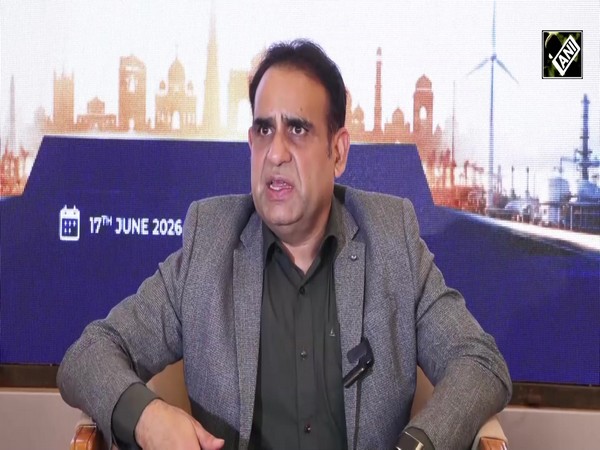
As per the news report, the clearest sign of where the business is headed sits at the top of the TV unit, where Samsung named Lee Won-jin to lead visual display in May, making him the first nonengineer in the role in about two decades. Lee came up through Google and Adobe and built the Samsung TV Plus streaming service.
He has called for the company to become an "AI full-stack company" spanning chips and services.
The phrase points away from one-off hardware sales toward software and recurring revenue from advertising and streaming.
The second part of the strategy is a broader push into AI. Employees in the devices division began using external generative AI tools such as ChatGPT, Gemini, and Claude in their work on June 12.
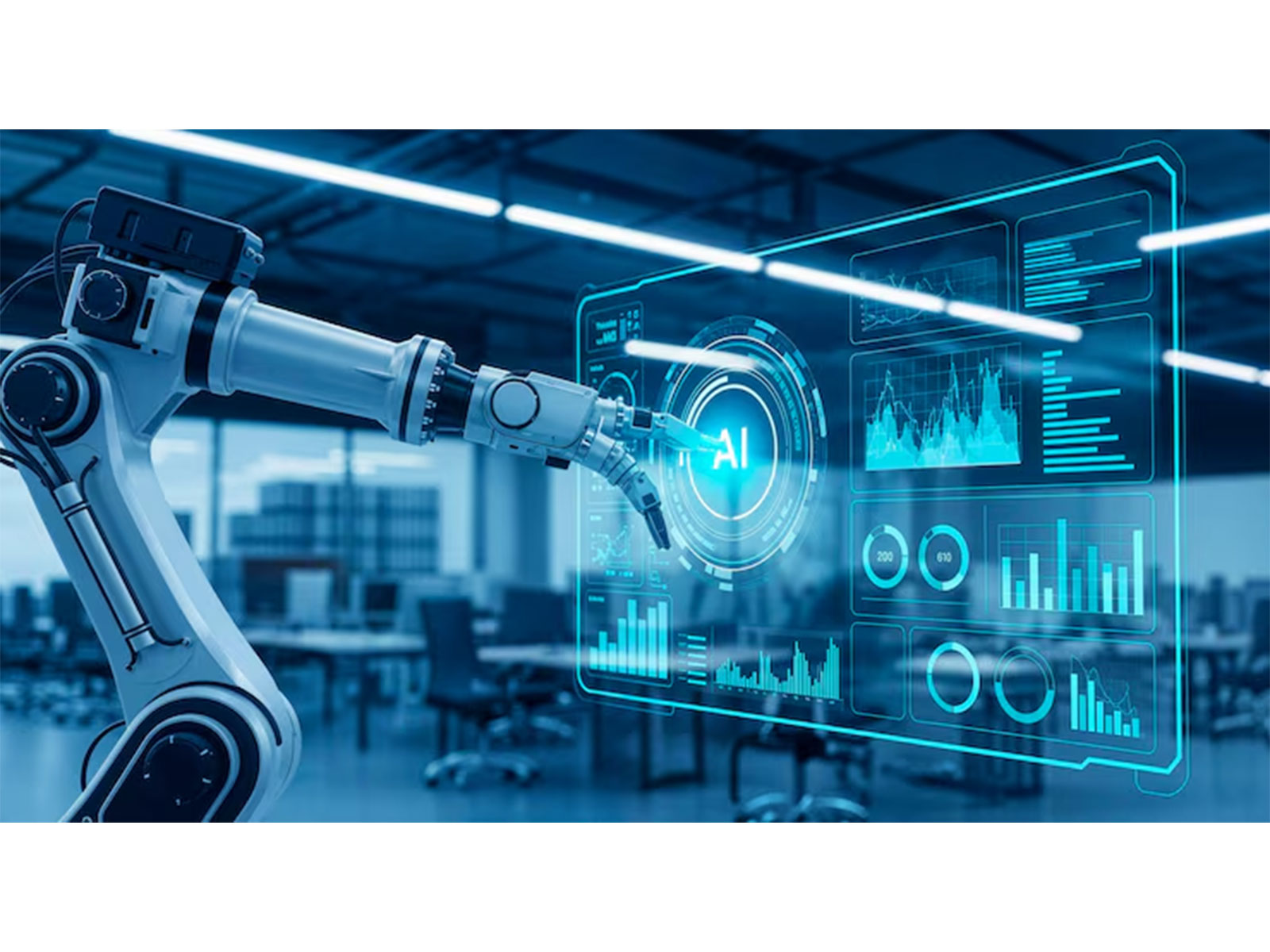
Further out, Samsung wants to convert its production plants worldwide into "AI-driven factories" by 2030, running digital-twin simulations, virtual replicas of a real production line, to test and adjust everything from materials intake through shipment.