Satellite connectivity can complement mobile networks; regulatory framework must evolve: GSMA
Oct 07, 2026
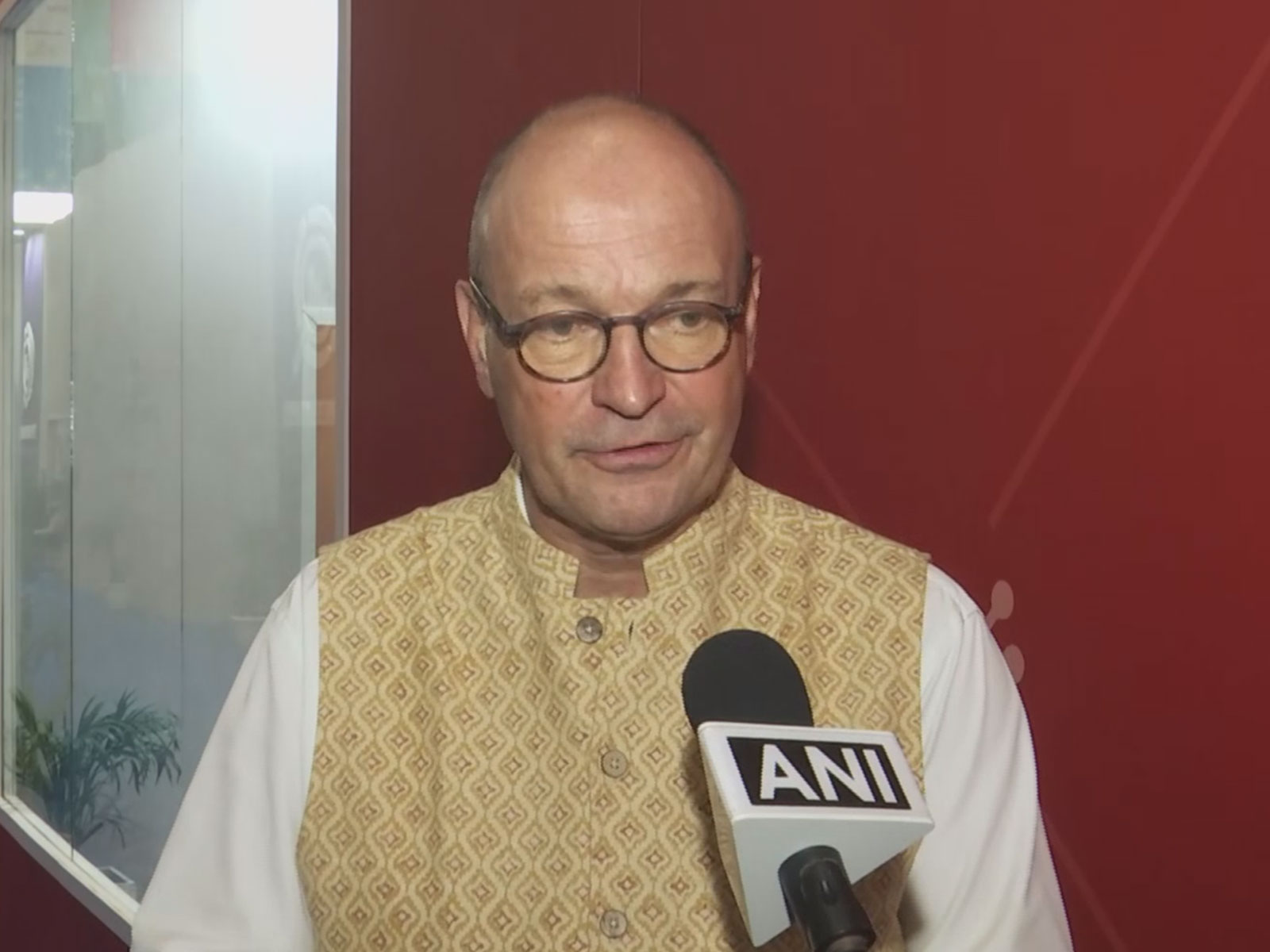
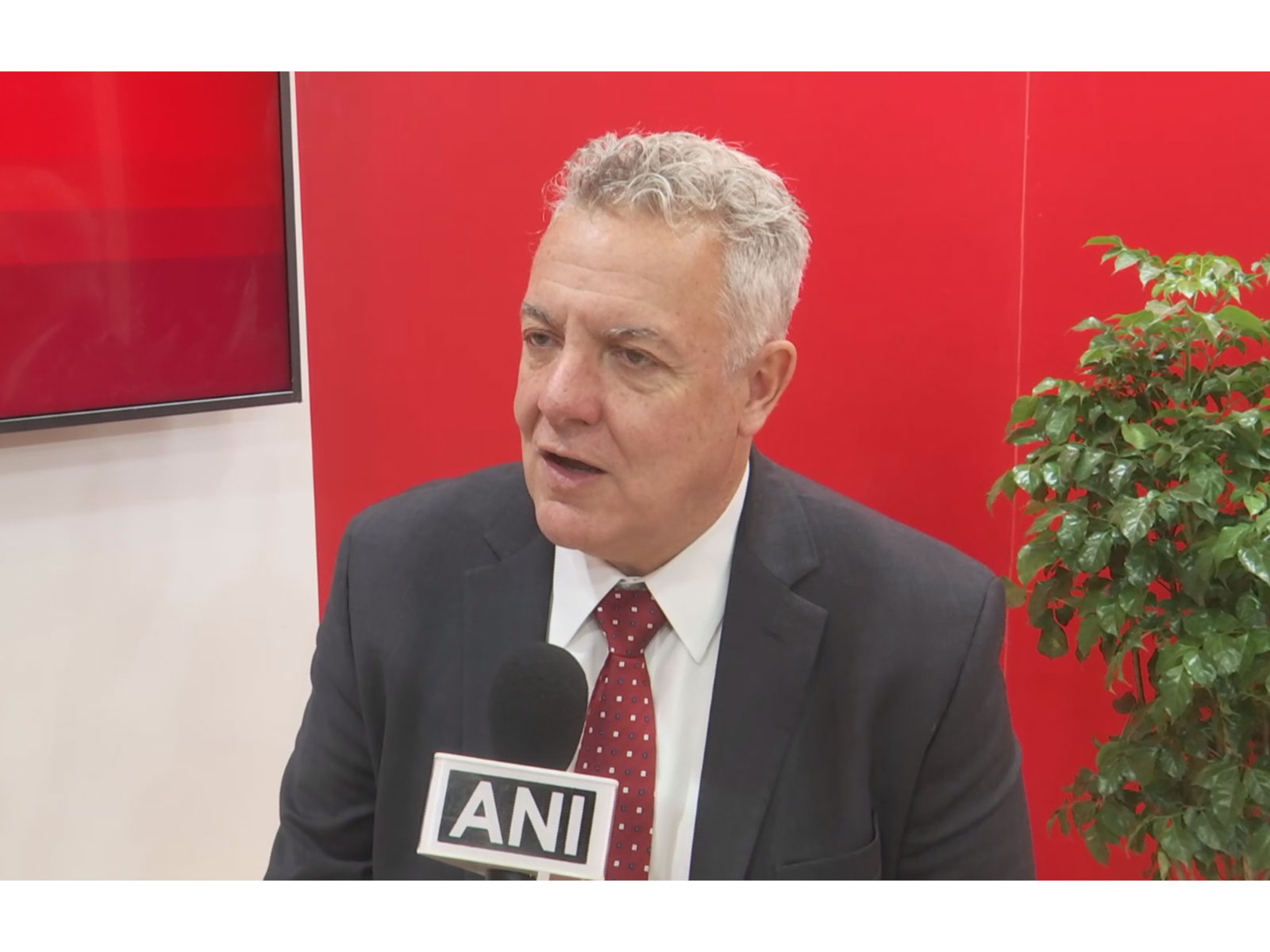
New Delhi [India], October 7 : Satellite connectivity can complement mobile networks and help extend internet access to people beyond the reach of conventional telecom infrastructure, but the regulatory framework will need to evolve alongside the technology, GSMA Chief Regulatory Officer John Giusti told ANI on the sidelines of the India Mobile Congress.
“I think satellite is the innovation we've seen in satellite has been incredible. I think it's a great opportunity to partner with mobile to complement connectivity. So, we're reaching everyone no matter where they are,” Giusti said.
He said satellite connectivity could also help users remain connected in areas where terrestrial mobile coverage is unavailable, but added that the emergence of the technology raises important regulatory questions.
“One of the real challenges is the new technology. How do we make sure that it comes in with the right regulatory framework?” he said.
Giusti said policy safeguards applicable to mobile operators would also need to be considered as satellite services expand.
“So that you have safeguards on the policy objectives that are currently applied to, for example, mobile operators, also for satellite connectivity. So, I think there's still some questions and some frameworks to develop, but we as an industry are very excited about the partnership opportunities we're starting to see,” he added.
Giusti said India has established itself as a global leader in 5G deployment, with coverage reaching around 99 per cent of the population.
“India really has done more in terms of driving 5G coverage than anywhere else. We have 99% population coverage,” he said.
However, he said further work would be needed to ensure that barriers do not constrain additional investment in telecom networks.
“There are still some challenges to make sure that the barriers to investment are not there and that the opportunity to continue to reach everyone is not hampered in any way,” Giusti said.
Looking ahead to 6G, Giusti said India has also emerged as an important international voice in discussions around identifying additional mid-band spectrum to meet future data demand.
He pointed to opportunities in the 6 GHz and 7 GHz bands and stressed the importance of regional and international harmonisation.
“India has been an international voice of the need to identify more mid-band spectrum... for the data demands heading into 6G,” he said.
Giusti said the immediate priority, however, should remain extracting greater economic value from the country's 5G rollout while allowing operators to continue investing.
“The plan here is to keep doubling down on leveraging the scale that's already developed in 5G. Making sure operators can continue to invest, making sure that the barriers to that investment aren't there so that then we can start to see the economic benefit coming from that 5G deployment,” he said.